

Sustainable healthy eating habits aren't built from discipline. They're built from repetition that doesn't feel like punishment. Most people quit not because they lack willpower but because the plan they picked was never designed to survive a bad Tuesday, and a habit that can't survive a bad Tuesday was never really a habit at all.
A habit that requires motivation every single day isn't a habit, it's a countdown to failure
This is the distinction that gets skipped in most nutrition advice, and it's the one that actually matters. A habit, by definition, runs on autopilot after enough repetition. If you're still white-knuckling a decision every morning about whether to eat the "healthy" option, you haven't built a habit yet you're still spending willpower, and willpower is a finite resource that gets used up by everything else in your day before it even gets to your plate. The people who eat well consistently aren't more disciplined than everyone else. They've just removed the decision. Their healthy option is also their easy option, so there's nothing left to negotiate with at 9pm.
Think about how few decisions your worst habits actually require. Ordering food off an app takes four taps and zero willpower. That's why it wins so often against a homemade meal that requires planning, shopping, and forty-five minutes of effort. Sustainable eating habits have to close that convenience gap, not just win on nutrition. A healthy snack sitting on your desk beats a healthier meal sitting in a fridge you haven't thought about since Sunday.

The four-part test for whether a habit will actually survive
We've watched enough people build and abandon eating habits to notice the pattern. Before adopting any new eating habit, run it against these four questions:
Does it survive a bad day? If the habit only works when you're well-rested, well-organized, and in a good mood, it will collapse the first time you're not.
Does it require willpower or just a decision made once? Meal-prepped lunches require one decision on Sunday. Deciding what to eat fresh every single lunch requires the same decision seven times a week.
Is it enjoyable enough to repeat without gritting your teeth? If you dread it, the habit has an expiration date, even if you don't know it yet.
Does it fit your actual week, or the week you wish you had? A habit built for a version of your schedule that doesn't exist yet is a habit built to fail on week two.
If a habit fails even one of these, it's not sustainable. It might work for ten days. Ten days isn't a habit.
Consistency beats intensity almost every single time, and the data backs this up plainly
Crash diets and extreme resets produce faster results and worse outcomes. That's not an opinion, it's just what happens when you compare six-month adherence rates across restrictive plans versus moderate, sustainable ones the restrictive plans lose almost every time, because the body and the brain both push back against sudden, severe change. A person who eats reasonably well 80 percent of the time, every week, for a year, will out-perform someone who eats perfectly for three weeks and then abandons the whole thing in month two. This is the actual math of nutrition, and it's less exciting than a 21-day transformation plan, which is exactly why nobody sells it.
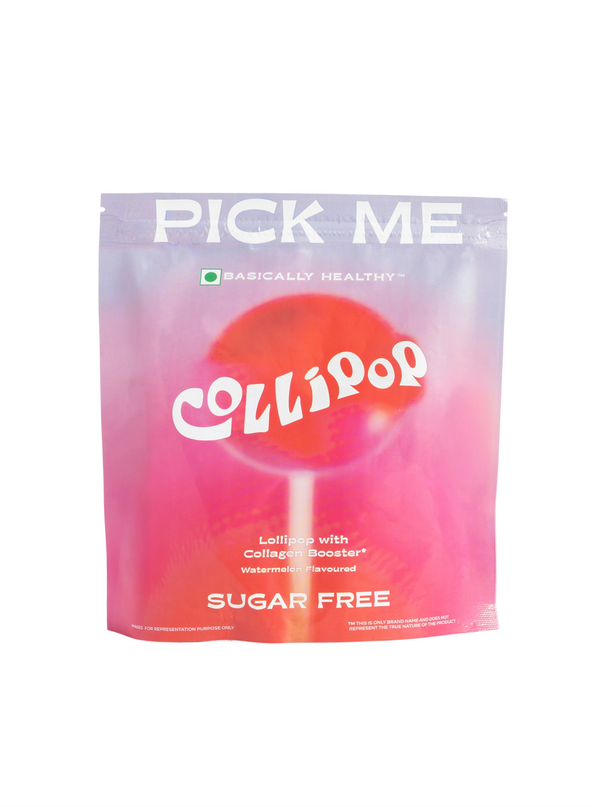
We built our entire philosophy at Basically Healthy around this one belief: habits matter more than hype, and enjoyment is what makes things stick. It's the whole reason Collipop exists as a no-sugar lollipop instead of another powder you're supposed to remember to mix into water every morning. Nobody forgets to eat a lollipop. That's the point the format has to be something a person actually wants to reach for, or the nutrition science behind it doesn't matter at all.
Guilt is not a nutrition strategy, and treating it like one backfires
Here's an unpopular but necessary take: the wellness industry has spent a decade selling guilt as motivation, and it doesn't work long-term. Shame gets people to start a plan. It rarely gets them to finish one, because shame-driven habits are fragile the moment you slip, the shame spikes, and spiking shame is what triggers people to abandon the whole effort rather than just course-correct for one meal. A sustainable approach to everyday nutrition treats a skipped healthy breakfast or a fast-food dinner as information, not a moral failure. You ate poorly on Wednesday. Fine. Thursday is a new decision, not a referendum on your character.
This is also why "no pressure, no guilt, no rules" isn't just a nice tagline it's a functional strategy. Rules break the first time real life interferes with them. Flexible defaults don't, because there's nothing rigid enough to snap.
There's a specific pattern worth naming here: the all-or-nothing spiral. One skipped workout becomes a skipped week. One slice of cake becomes a "ruined" weekend of eating whatever, because the internal story has already shifted from "I made one choice" to "I've failed at this." Breaking that spiral isn't about willpower either. It's about lowering the stakes of any single meal so one decision never gets to represent your entire relationship with food.
Small, boring swaps outperform dramatic overhauls almost every time
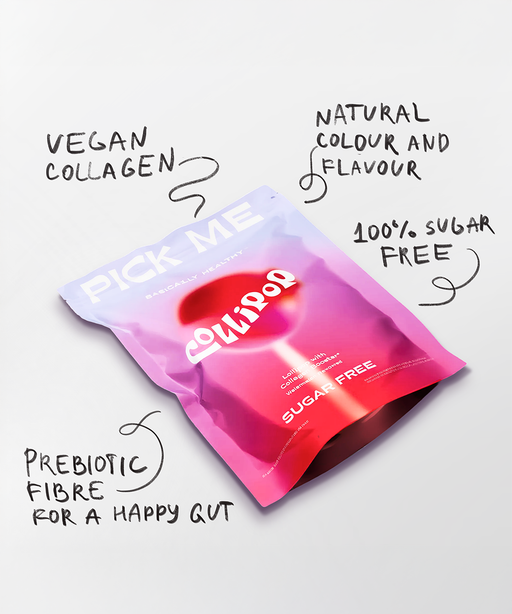
Nobody wants to hear that the sustainable version of healthy eating is mostly boring. But it is. Swapping a sugary snack for a plant-based one with functional ingredients, keeping protein-forward options within arm's reach so you're not choosing between hunger and convenience at 3pm, drinking water before reaching for a second coffee none of this is exciting. It also doesn't need to be sustained through motivation, because it's small enough to survive a bad mood.
The mistake most people make is trying to change ten things at once during a burst of January enthusiasm. Pick one swap. Repeat it for three weeks without touching anything else. Only then add a second one. This is slower than a total overhaul, and it's also the version that's still standing in June.
A ten-day sugar detox generates a lot of enthusiasm and almost no lasting change, because ten days isn't long enough to rewire a habit loop, and the moment it ends, most people go straight back to the exact pattern they were trying to break. One swap held for three months does more than five swaps attempted for three weeks each. Slow is genuinely the fast way here, even though it doesn't feel like it in the moment.
From the Basically Healthy kitchen
We're not interested in selling you a rulebook, because rulebooks are exactly what makes people quit by week three. What we care about is the boring, unglamorous work of building habits that survive an actual week the tired ones, the busy ones, the ones where dinner happens at 11pm because the day got away from you. If that sounds like the kind of everyday nutrition approach you've been looking for, come see what we're building at basicallyhealthy.in. No pressure, no guilt, no rules. Just something worth reaching for again tomorrow.