
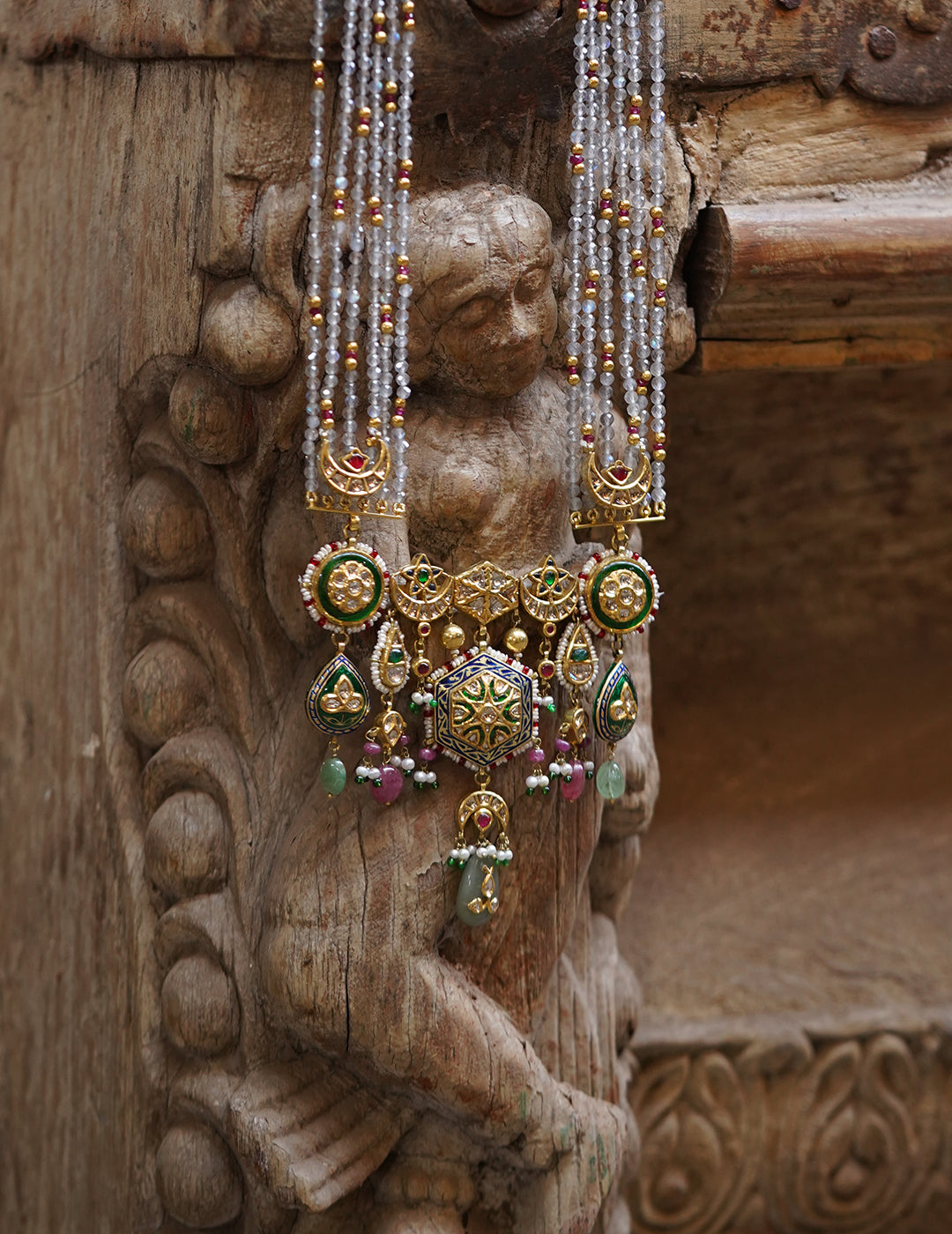
The decision about what to wear on the most documented day of a life has consequences that outlast the day. A piece of bridal jewelry bought in haste, chosen for its shine rather than its making, will be worn once and kept in a box that is opened with decreasing frequency until the box itself becomes the object of memory, not what is inside it. The jewelry that endures in a family's possession is the jewelry that was chosen with something other than urgency with knowledge of the craft, a conversation about what the piece should carry, and a maker who understood both.
Aurus Jewels works in the tradition of fine artisanal Indian wedding jewelry, producing pieces designed to be worn beyond the wedding they are purchased for. The label's approach to the bridal consultation differs from the conventional showroom model. The conversation begins not with the size of the budget or the colour of the lehenga but with the question of inheritance: what is the jewelry that already exists in this family, and how does a new piece enter into dialogue with it? This is jewelry as continuity rather than acquisition.
The techniques employed by Aurus karigars are rooted in the classical Indian goldsmithing vocabulary kundan setting, meenakari enamel on the reverse of pieces, rose-cut diamonds chosen for their warm, candlelight quality over the sharper brilliance of modern cuts. The rose cut predates the brilliant cut by several centuries; its flat top and shallow pavilion produce a stone that collects light differently warmer, more diffuse. It is a stone that photographs poorly compared to a brilliant, which means it is a stone that has never been chosen for its photograph. It has always been chosen for the room.
The karigars Aurus works with are second- and third-generation craftsmen in Jaipur's jewelry district, trained in specific techniques one karigar for kundan setting, another for meenakari, another for the fine filigree work used in the label's earring mounts. Specialisation at this level produces qualities that generalisation cannot. A karigar who has spent twenty years setting kundan stones has not spent twenty years doing everything; he has spent twenty years getting better at one thing. The piece reflects this.
In 2026, as the global jewelry conversation turns toward provenance the value attached to knowing exactly who made an object and in which tradition they were trained Aurus Jewels' practice of naming its karigars and documenting the making process has moved from distinctive to exemplary. The demand for this transparency is driven by a generation of buyers who understand that jewelry without a traceable maker is jewelry without a story, and that jewelry without a story is simply metal and stone.
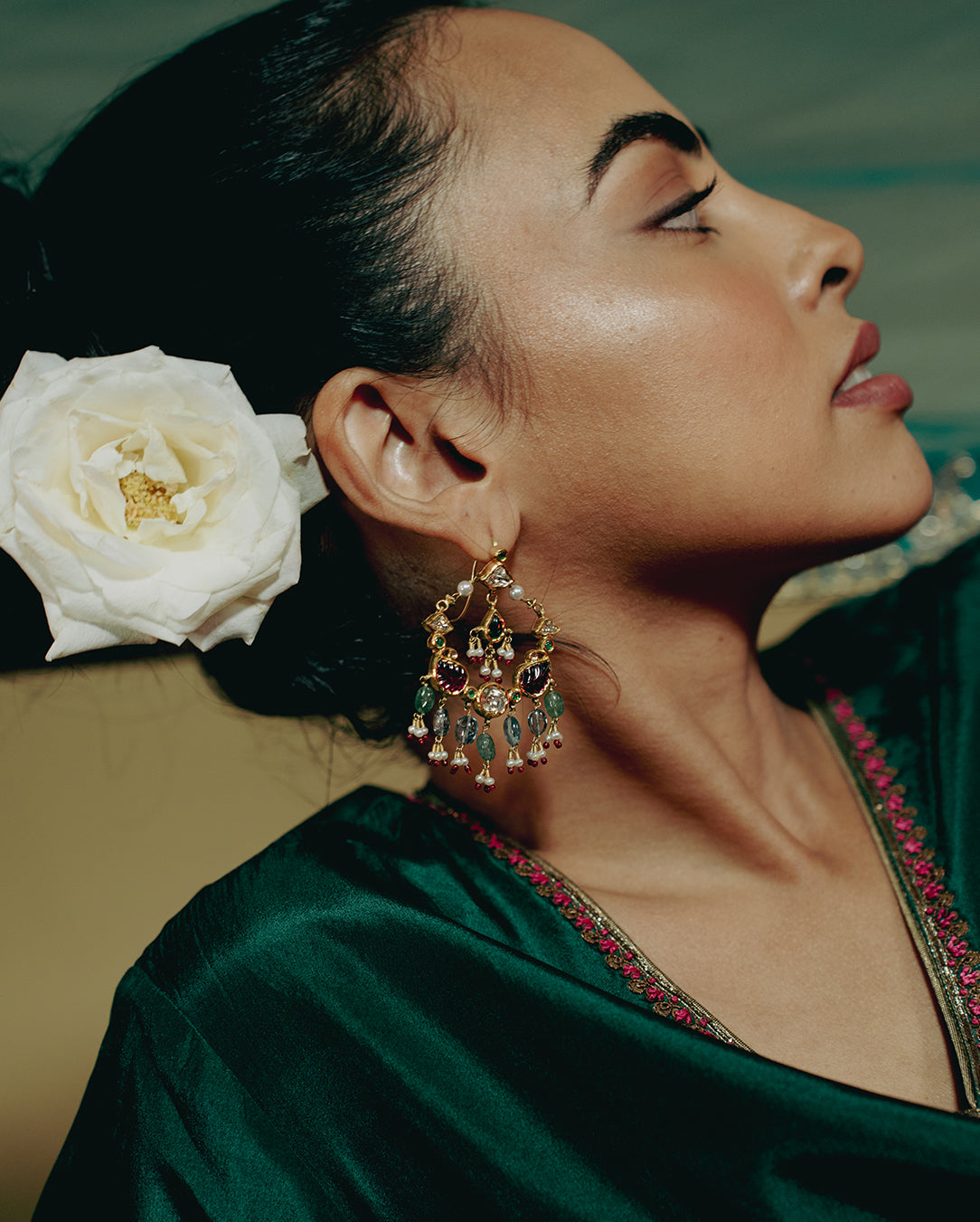
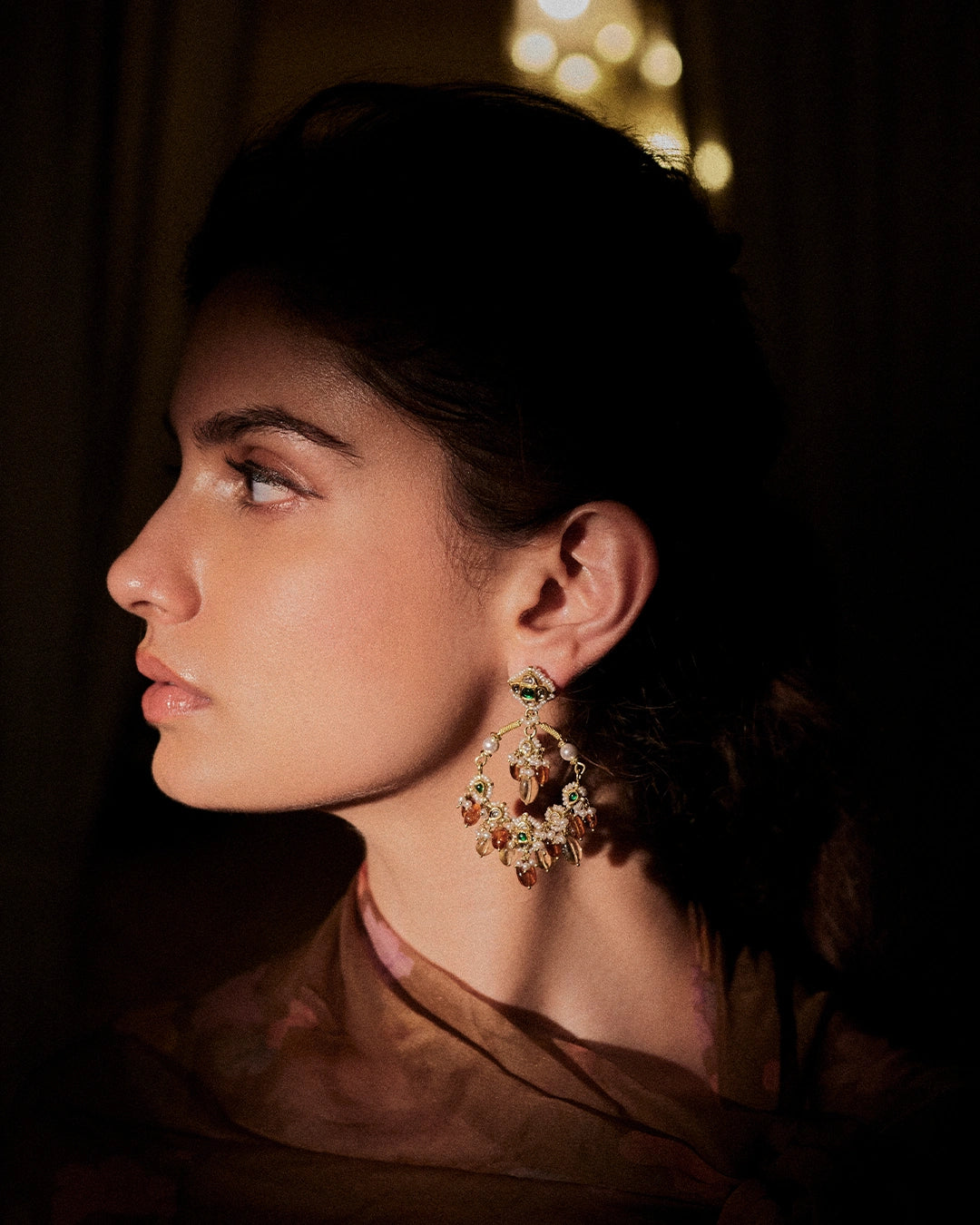

The piece that was always going to be yours was made by someone specific. Aurus makes sure you know who.