
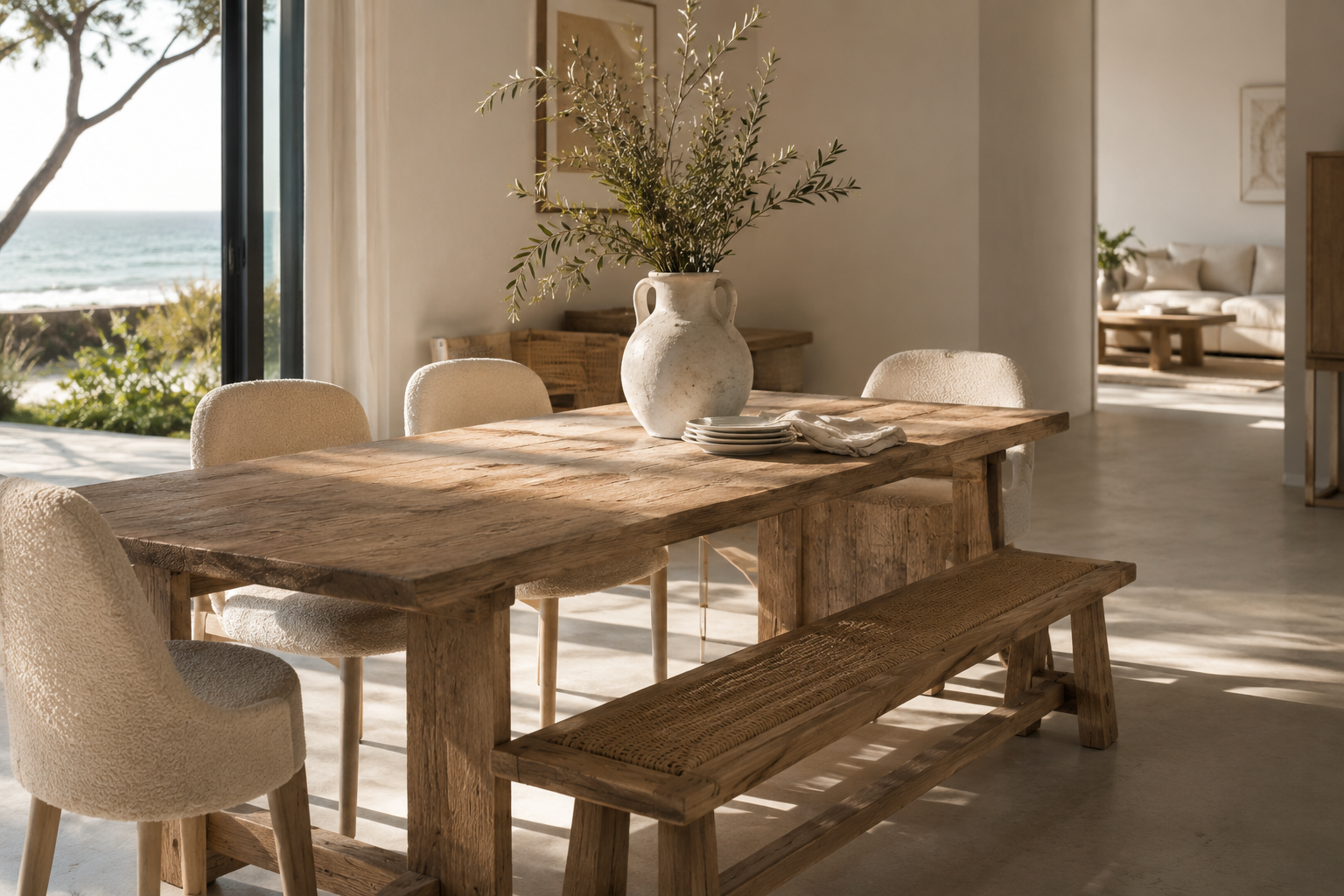
There exists a particular magic in spaces designed around coastal sensibilities environments that evoke the restorative qualities of maritime light, the organic forms found along shorelines, and the tranquillity inherent in proximity to water.Portside Cafe captures this aesthetic and conceptual landscape, creating furniture and lifestyle objects that translate coastal inspiration into contemporary interior environments. The brand represents an alternative to conventional design narratives, one that prioritizes emotional resonance, environmental consciousness, and the enduring appeal of organic forms over trendy stylization. The design philosophy underlying Portside Cafe’s practice emerges from a conviction that daily life should be enriched through contact with beautiful objects created through thoughtful processes. Each piece reflects extensive consideration of material, form, and the philosophical dimensions of sustainable production. The brand collaborates with skilled artisans and manufacturers who share commitments to environmental responsibility, ensuring that creation processes align with contemporary values regarding ecological consciousness. Material selection emphasizes renewable resources natural woods, reclaimed materials, organic textiles allowing the inherent beauty of materials to emerge as the primary aesthetic language rather than relying on applied ornamentation. The design language itself speaks to maritime inspiration without resorting to literal coastal theming. Rather, Portside Cafe pieces evoke the essential qualities of coastal environments through abstract formal language organic curves, muted colour palettes inspired by driftwood and sea stones, surfaces finished to reveal wood grain and material authenticity. A side table designed with asymmetrical form and subtle curves suggests geological formations; seating pieces combine structural clarity with organic proportions that feel simultaneously contemporary and timeless. This restraint the refusal to decorate spaces with nautical clichés positions Portside Cafe within serious contemporary design discourse rather than lifestyle theming.
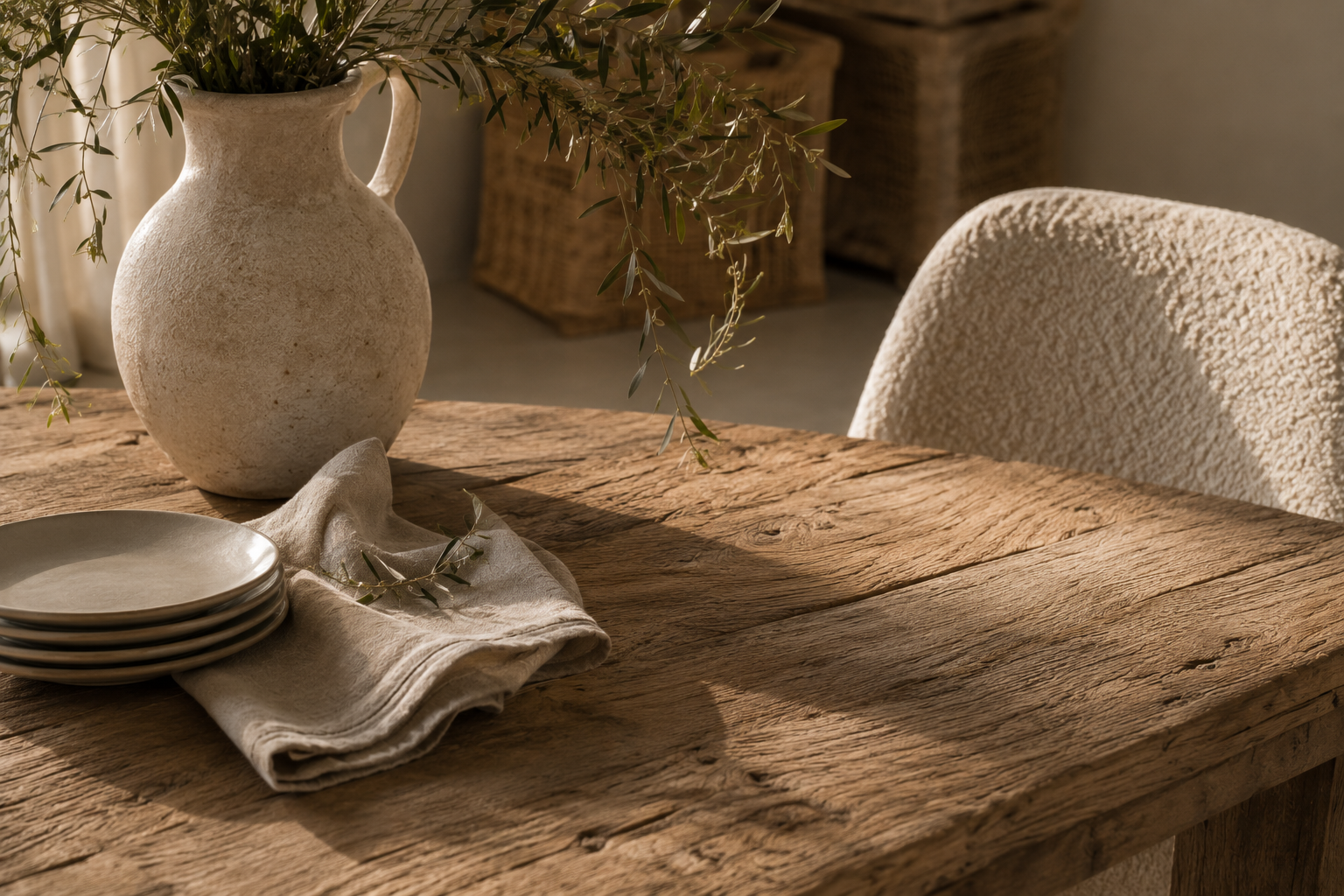
What distinguishes Portside Cafe from manufacturers producing coastal-style commodities is the brand's commitment to objects that deepen with time. Rather than featuring trendy finishes or saturated colours that fade contextually with seasonal design cycles, the pieces age authentically, developing patinas and surface variations that enhance rather than diminish aesthetic qualities. A Portside Cafe wooden dining table becomes more beautiful as wood grain emerges through years of use; textiles develop character through wear that speaks to lives lived rather than showroom perfection. This philosophy appeals to those who understand that authentic luxury accumulates value through time rather than depreciation. The lifestyle dimension of Portside Cafe extends beyond isolated objects toward creating environments that facilitate restoration and presence. In an era of accelerating digital intensity, the brand's offerings address genuine contemporary need spaces designed to offer respite from relentless connectivity and overstimulation. The carefully curated collections encourage slower modes of inhabitation, conversations unhurried by distraction, morning rituals conducted with attention rather than rushed efficiency. This positioning resonates particularly with urban consumers maintaining professional intensity and seeking home environments that provide meaningful counterweight to external demands. For interior designers and architects addressing residential projects, Portside Cafe’s collections provide opportunities to introduce contemporary craftsmanship and sustainable materials without compromising design sophistication.
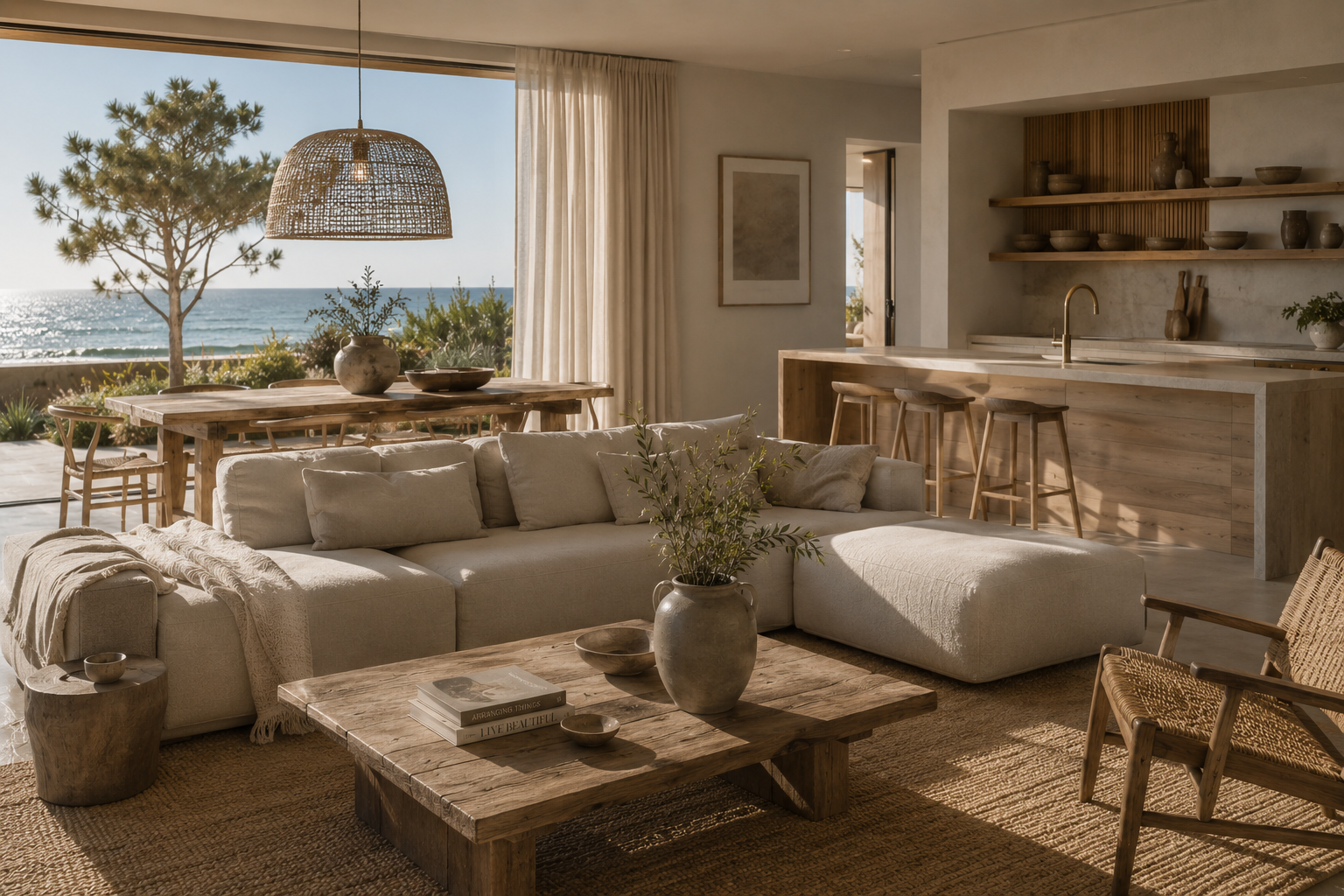
The pieces integrate naturally into diverse interior contexts from minimalist contemporary spaces to eclectically furnished homes. In refusing to create trend-dependent designs or seasonal collections, Portside Cafe invites consumers to develop lasting relationships with objects, understanding home furnishing not as cyclical consumption but as accumulation of meaningful, enduring elements that collectively create spaces reflecting individual values and aesthetic sensibilities developed over time.