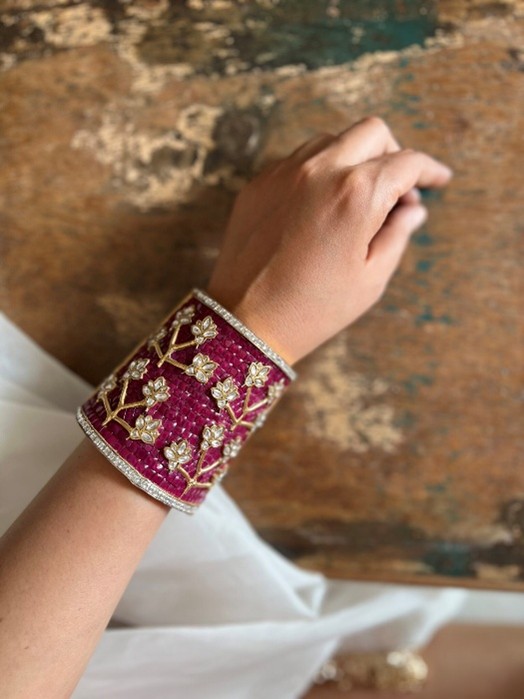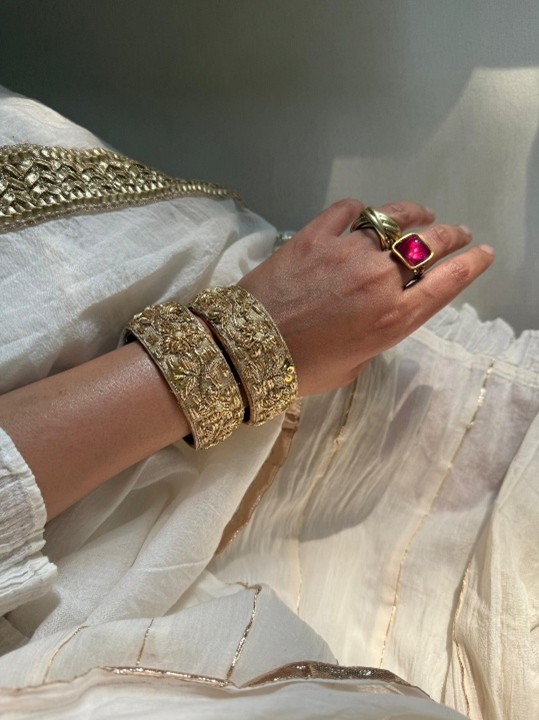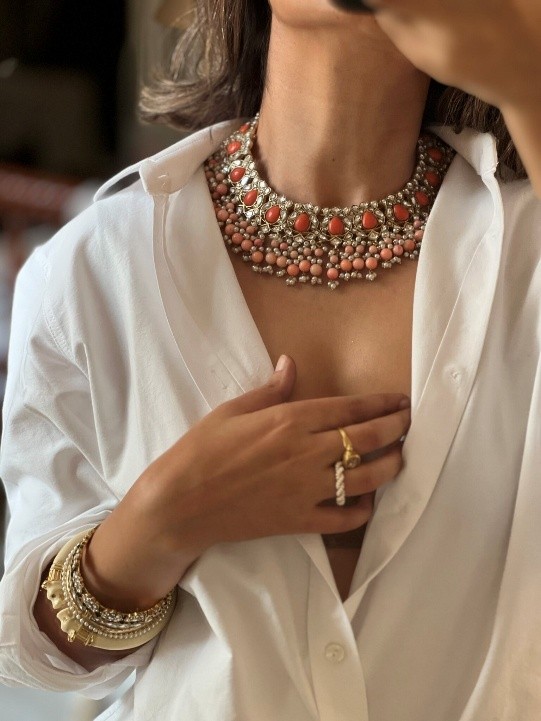

There is a particular quality that separates jewellery worn from jewellery displayed and it has nothing to do with the weight of the gold or the clarity of the stones. It is presence.
The way a piece settles at the throat and becomes, within an hour, inseparable from the person wearing it. The way it catches the light differently at the end of the day than at the beginning, because the day has changed the angle. Anumerton's jewellery operates entirely in this register: made to be lived in, not kept. Made to accumulate meaning the way all the most valuable things do quietly, through use, through time.
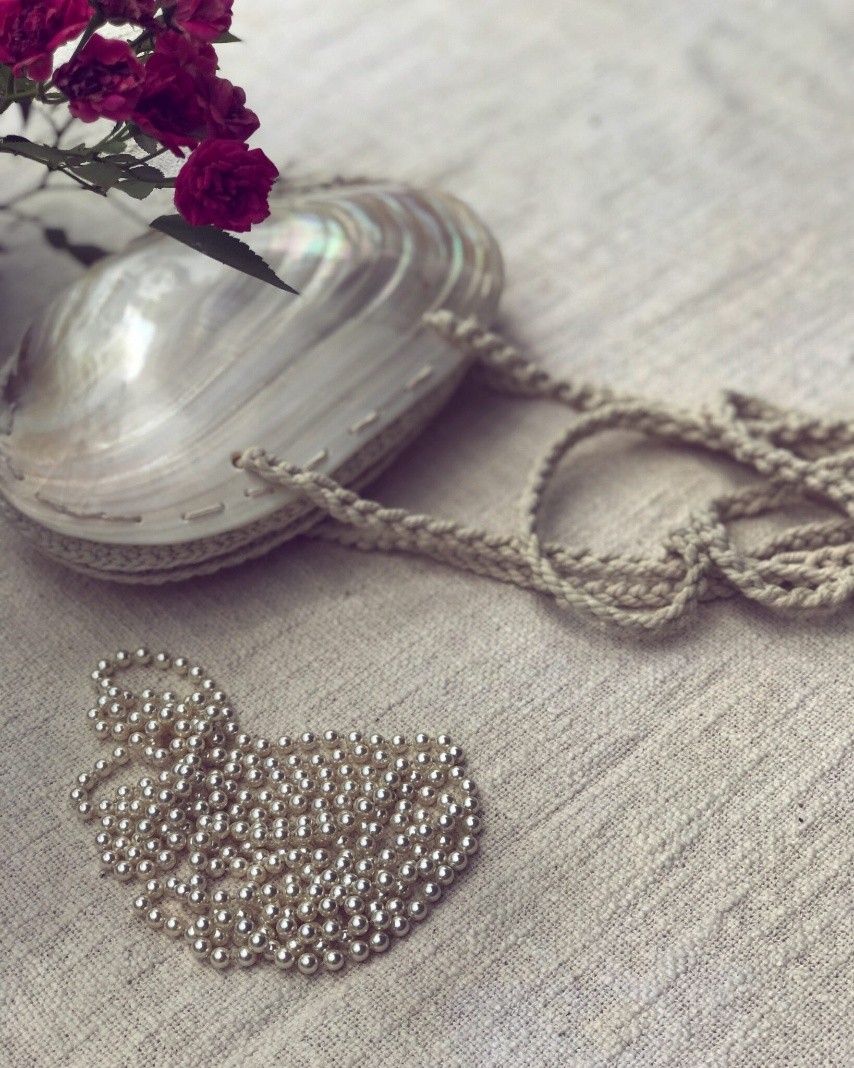
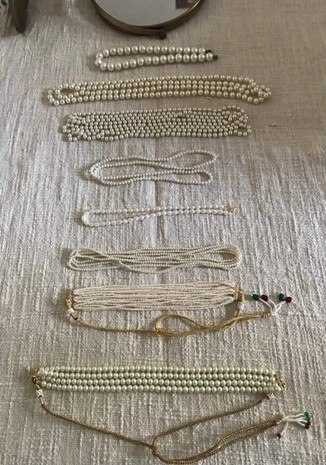
The Pearl Strand Stack arrives in the Anumerton vocabulary as a reclamation. Pearls in Indian jewellery carry centuries of accumulated meaning ceremonial, marital, inherited but worn in multiples, layered over a plain cotton kurta or a linen shirt at noon, they shed that weight without losing their beauty. The strand at the collar. The one that reaches the sternum. The shortest one, barely a frame for the face. Together they read not as formality but as fluency the fluency of someone who knows exactly how to use what she has inherited.
The most powerful jewellery is not the heaviest. It is the most remembered.
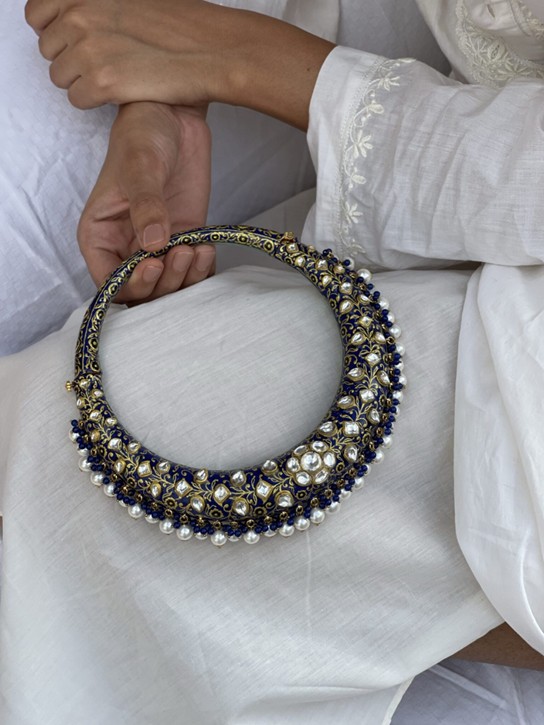
bloom across the chest in stones set with the deliberate imprecision of the hand rather than the exactitude of the machine. Gulbahar: rose garden, in Persian. The name does what the best jewellery names do it tells you how the piece is supposed to make you feel before you have put it on. Worn against skin, it reads as both contemporary and deeply rooted. This is the specific achievement of heirloom-inspired design done honestly: it does not imitate the past. It converses with it.
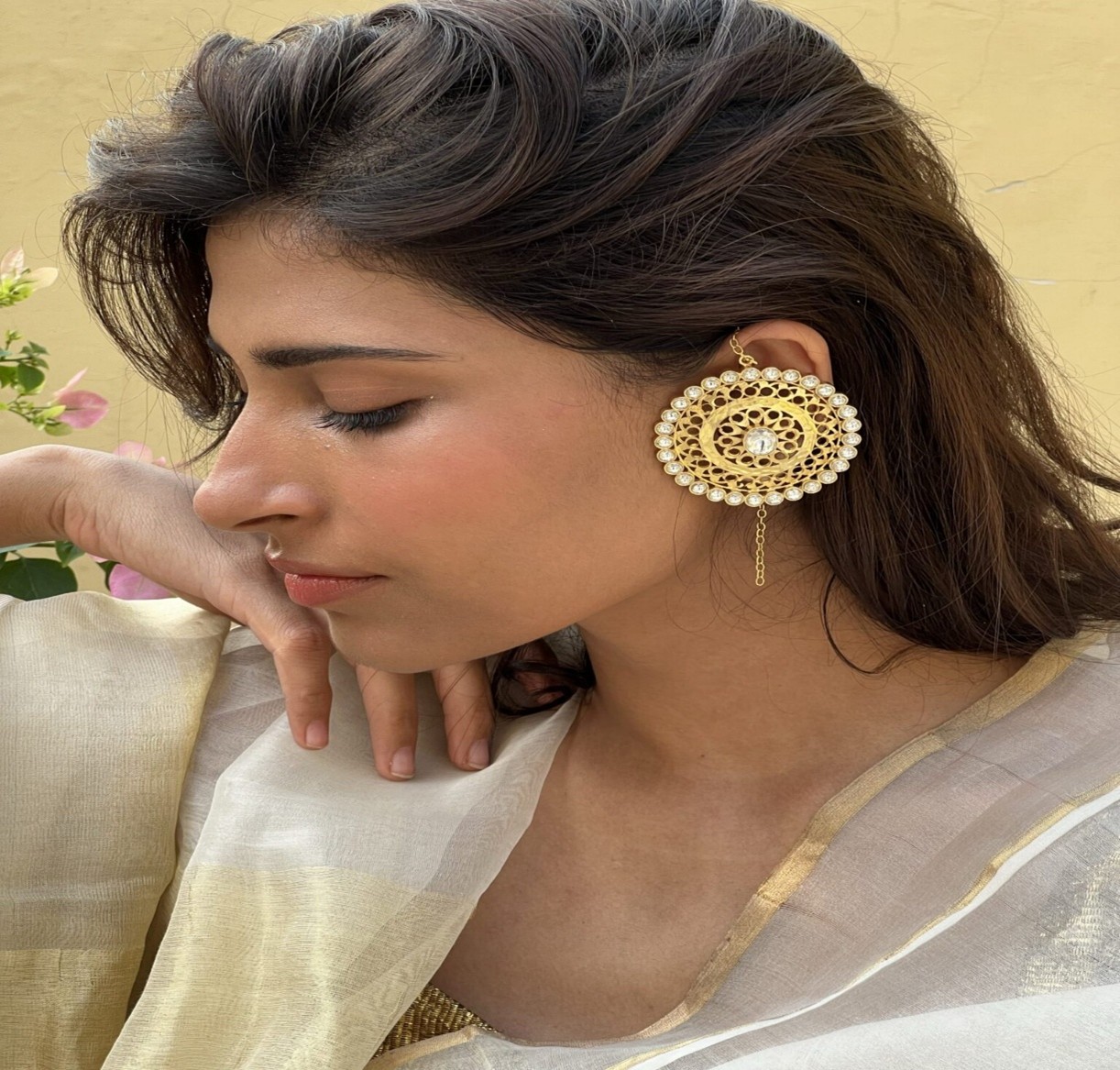
The Statement Polki Earrings make the case that maximalism and restraint are not opposites. A polki stone uncut, with the particular dull luminosity of diamond that has not been forced into brilliance carries its glamour quietly. These earrings do not catch every light. They catch the right light. Worn with a plain neckline, they become the entire point of the outfit; worn over layered necklaces, they hold their own without competing. This is the intelligence of Anumerton's maximalism: it understands composition the way a painter does what to bring forward, what to let recede.
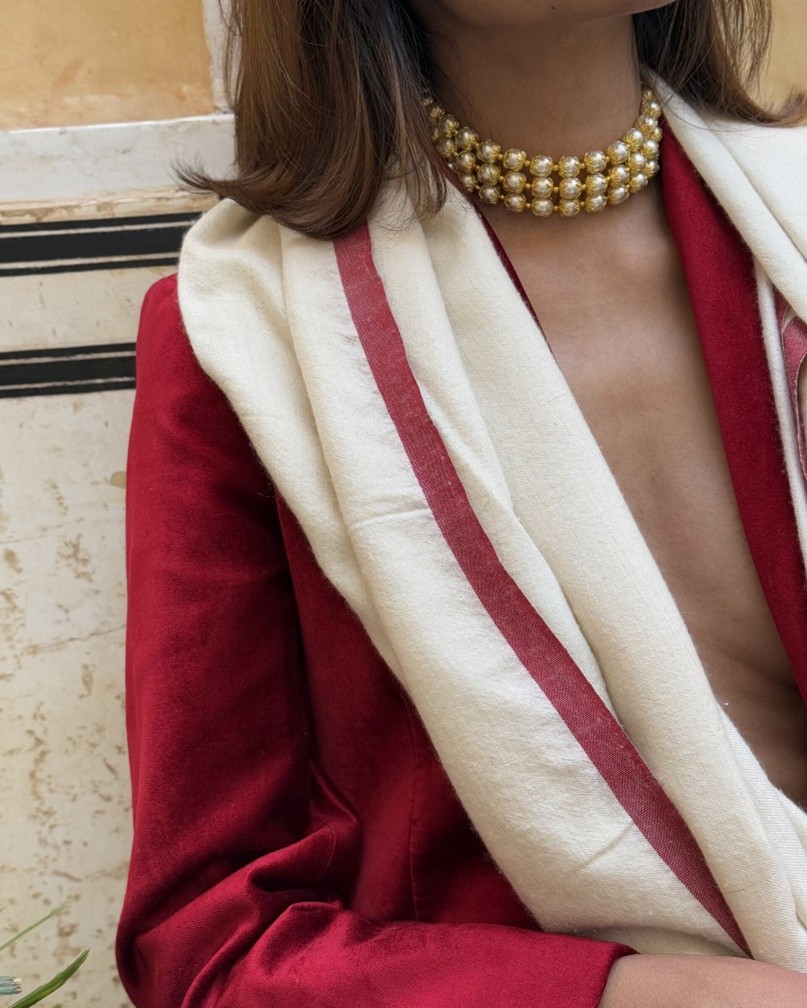

What Anumerton has understood, and what makes the layered gold choker styling so resonant, is that jewellery has moved from occasion into identity. The question is no longer which pieces are appropriate for which event but which pieces are true to who the wearer is on any given day. Some days call for the full stack pearl, gold, polki, Gulbahar and the day rises to meet that decision. Other days want only one strand, worn close, a quiet reminder. Anumerton builds for both versions of the same person, which is the deepest form of design generosity.
Every piece in the Anumerton edit carries the quality of something that has already been somewhere not because it imitates age, but because it was made with the understanding that the best jewellery is not finished when it leaves the workshop. It is finished, slowly and irreversibly, by the life lived wearing it. A clasp that the fingers learn. A patina that settles into warmth. A necklace that becomes, in time, not a piece of jewellery at all but a fact about who someone is.