
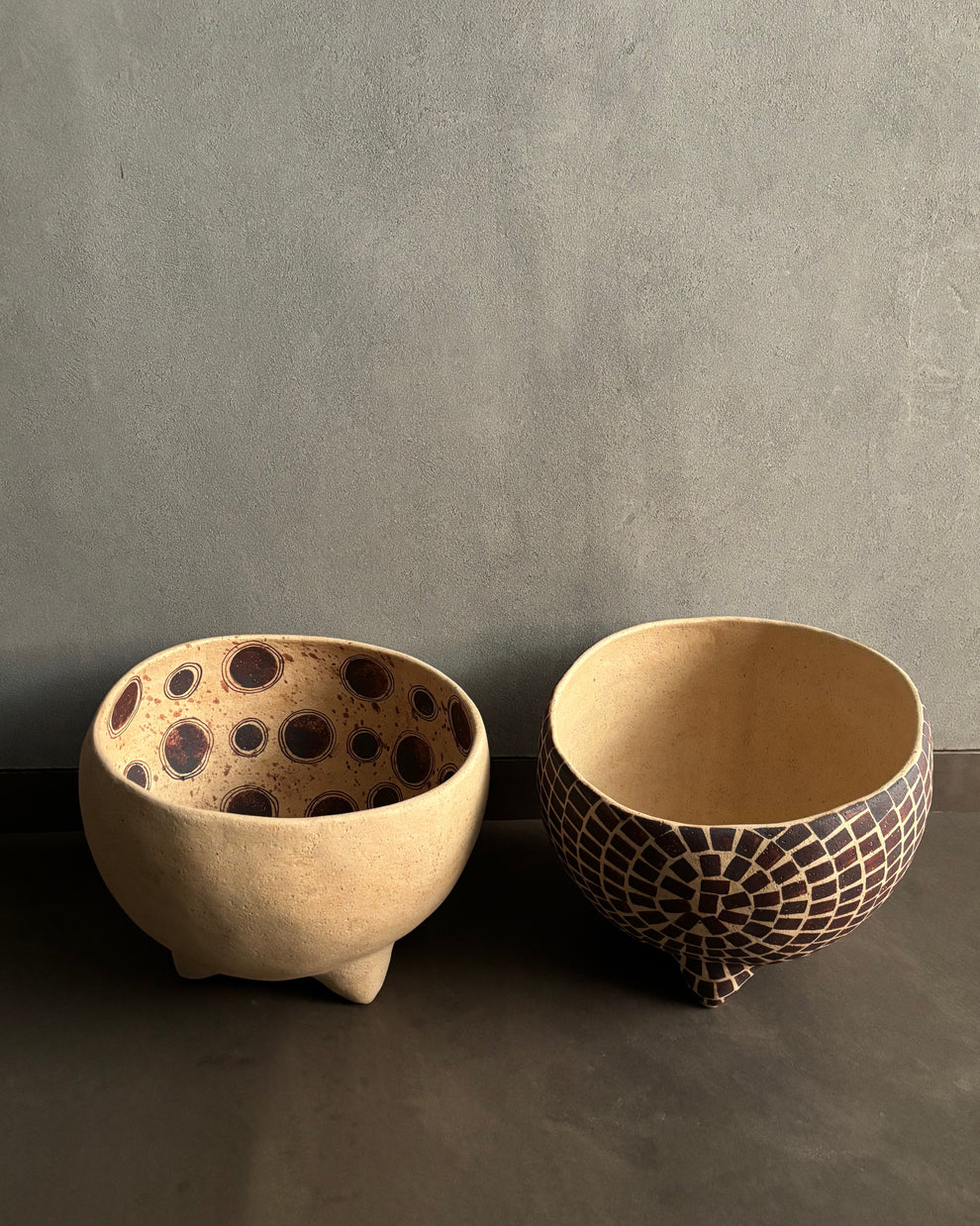
Clay is India's oldest luxury. Long before silk arrived on the subcontinent, before gold was cast into jewellery, before marble was quarried into palaces, there was the potter's wheel and the kiln and from their union came objects of enduring, quiet beauty. Olie is the contemporary heir to this lineage.
Working from a belief that luxury ceramics India deserves its own distinct aesthetic vocabulary, Olie produces pieces that refuse easy categorisation. They are not traditional pottery, nor are they the generic Scandinavian minimalism that has colonised much of the global design market. They are something rarer: modern artisan decor rooted in Indian material intelligence, resolved through a sculptural sensibility that is entirely the brand's own.
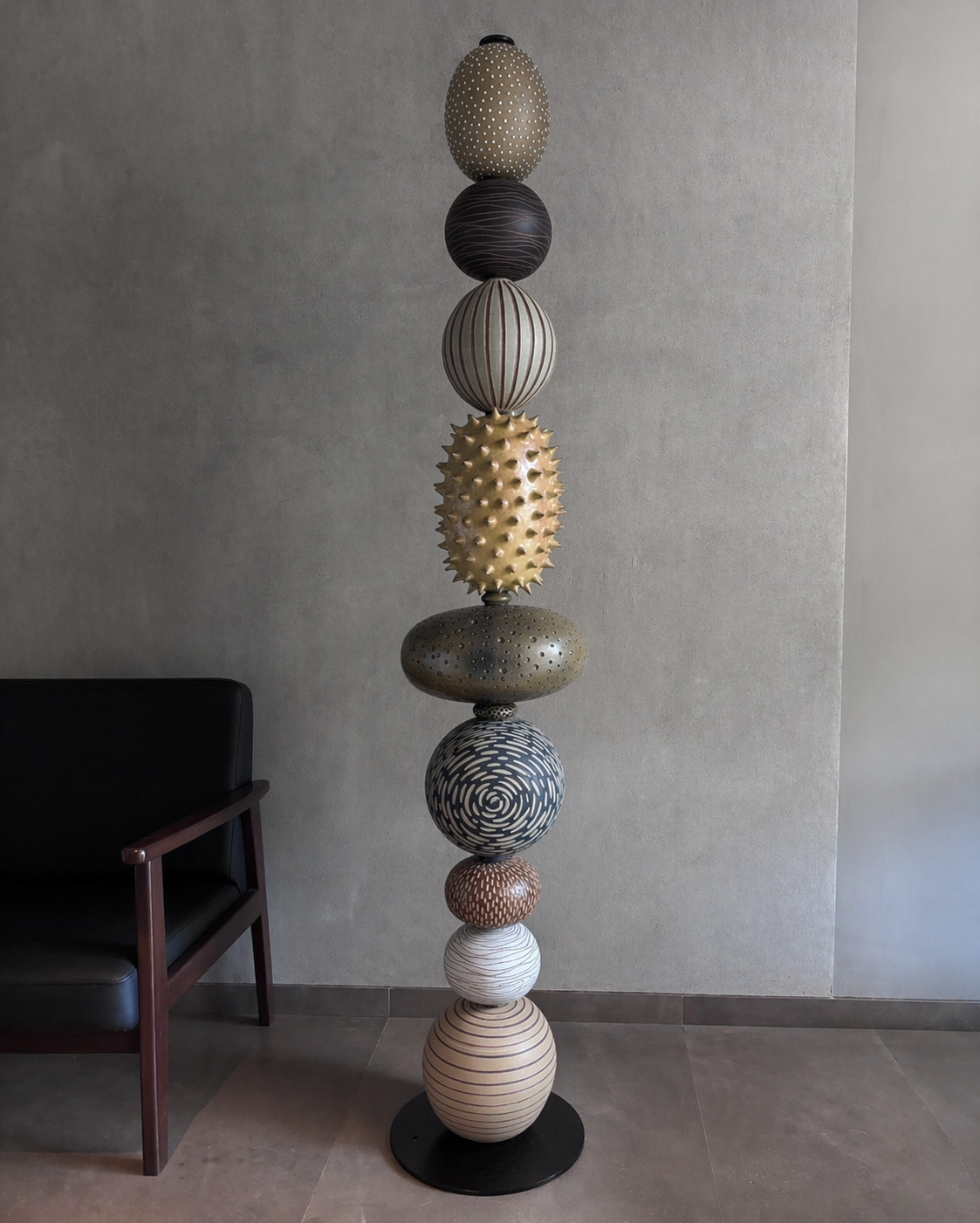
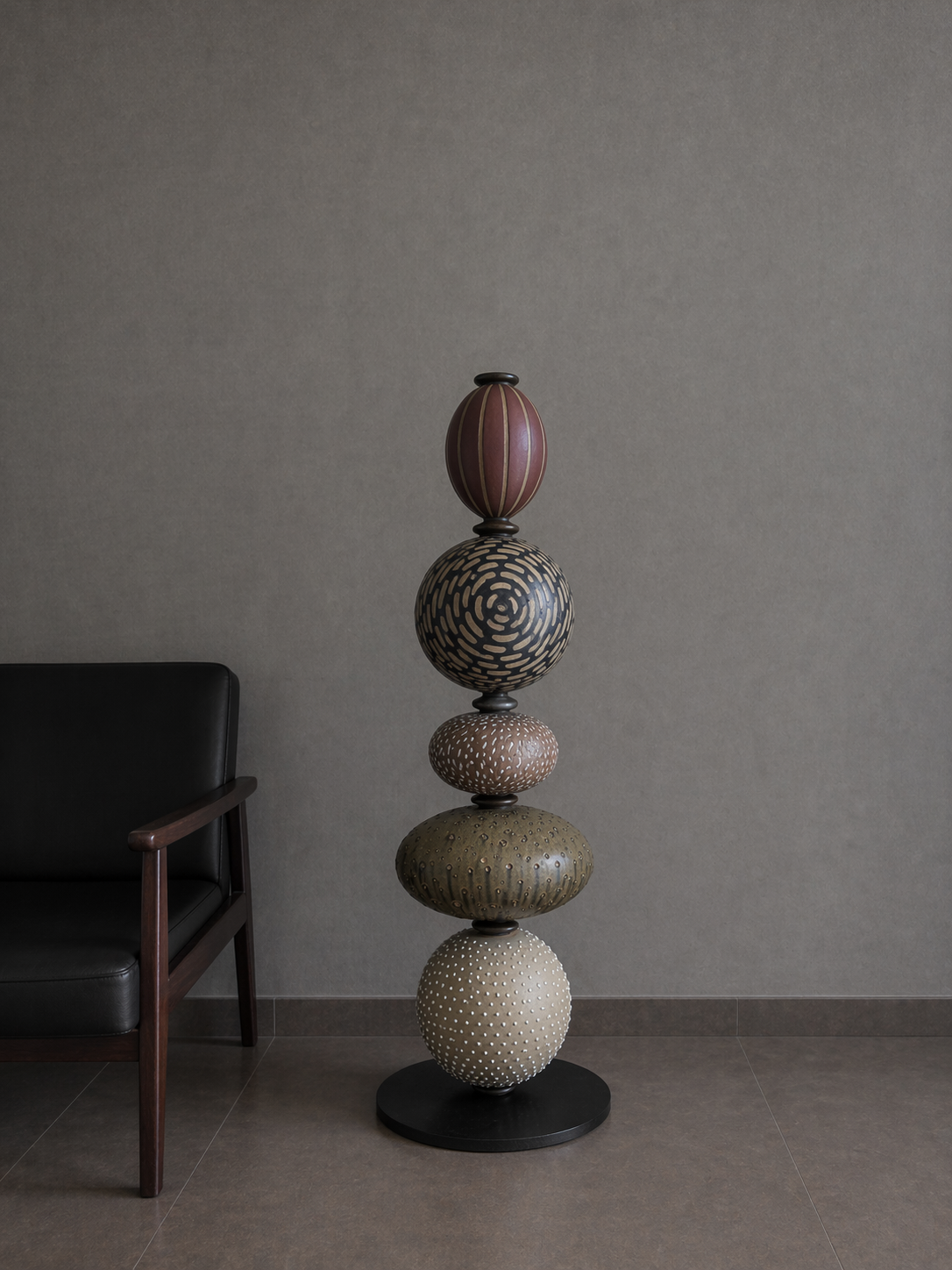
The Contemporary Ceramic Tableware collection is where Olie's vision is most fully expressed. Each piece arrives at the table carrying its history glaze pooling at rims, forms slightly asymmetric in ways that speak of the hand rather than the mould. These are premium tableware objects that improve every meal by insisting on a certain quality of attention. The Sculptural Decor Objects extend the practice into pure form: vessels and objects whose function is the refinement of space itself.
The Handmade Serving Bowls occupy that productive territory between utility and sculpture, their generous dimensions and quietly luminous surfaces making the act of serving feel ceremonial. The Artisan Home Accessories complete a home where sculptural interiors are understood not as an aesthetic choice but as a fundamental commitment to the well-made. Each Olie piece is an argument patient, tactile, and entirely persuasive for slowness as the ultimate modern luxury.
An Olie ceramic does not simply sit on a table it elevates everything around it by asking, quietly, to be truly seen.
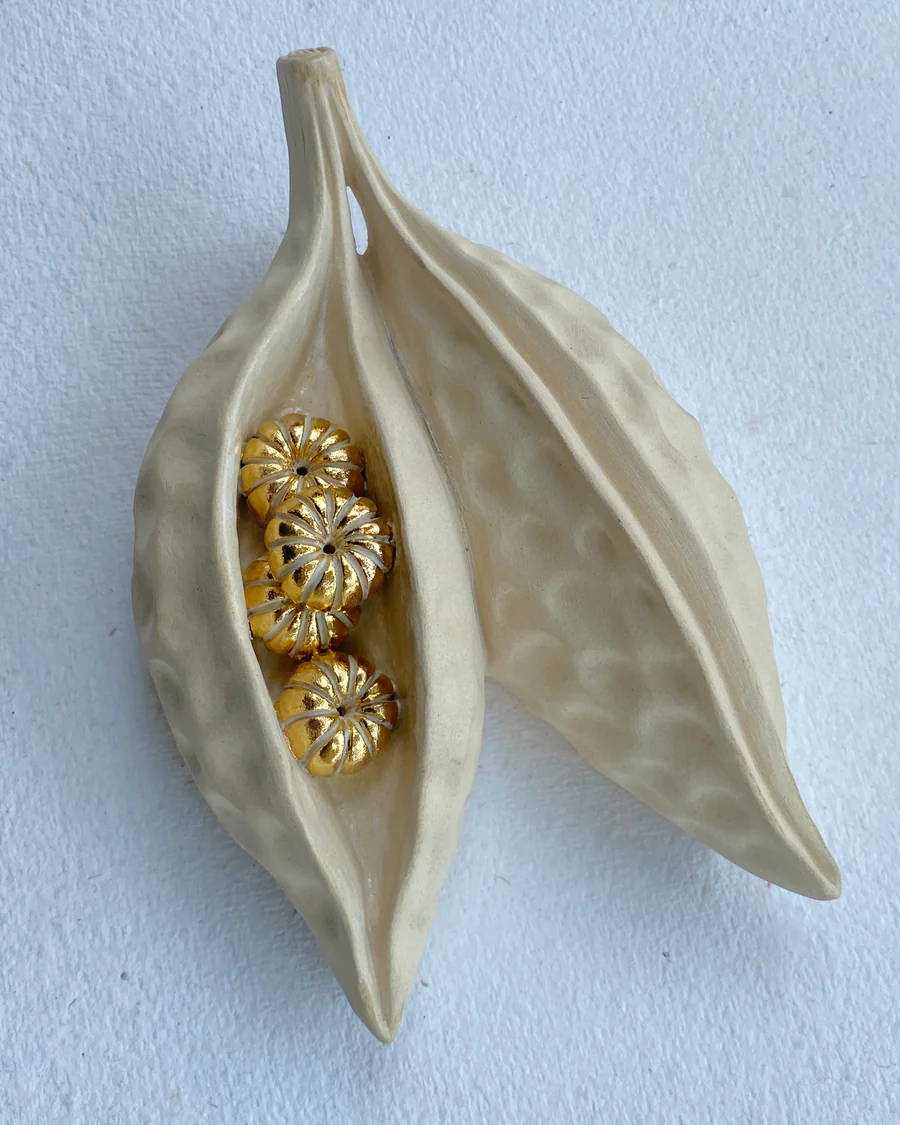
In the evolving landscape of Olie design, the lesson is ancient and the execution contemporary: that beauty made by human hands, fired in honest heat, and placed with intention transforms not merely a table or a shelf, but the quality of every moment lived in proximity to it. This is Indian ceramics at its most elevated and its most human.