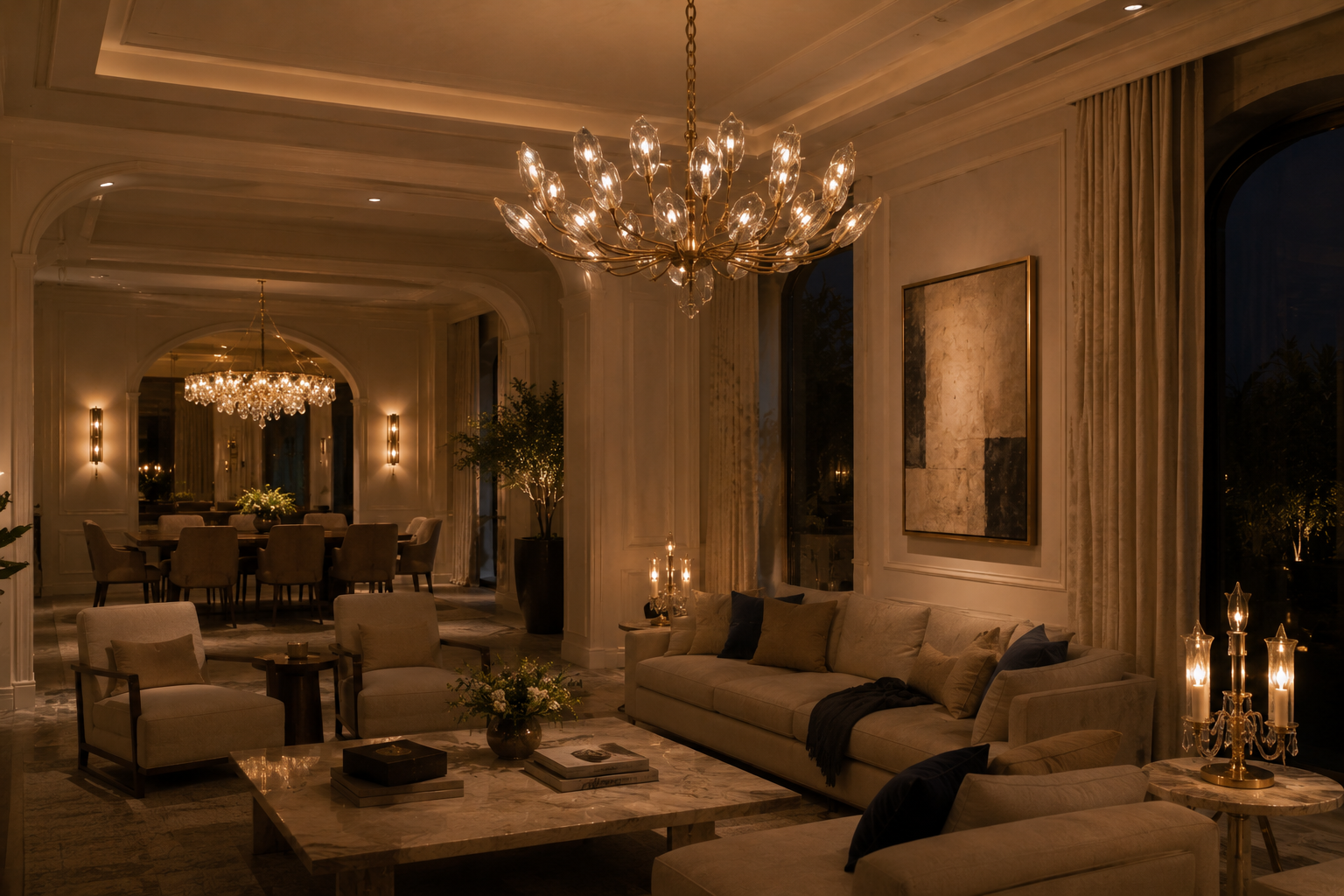
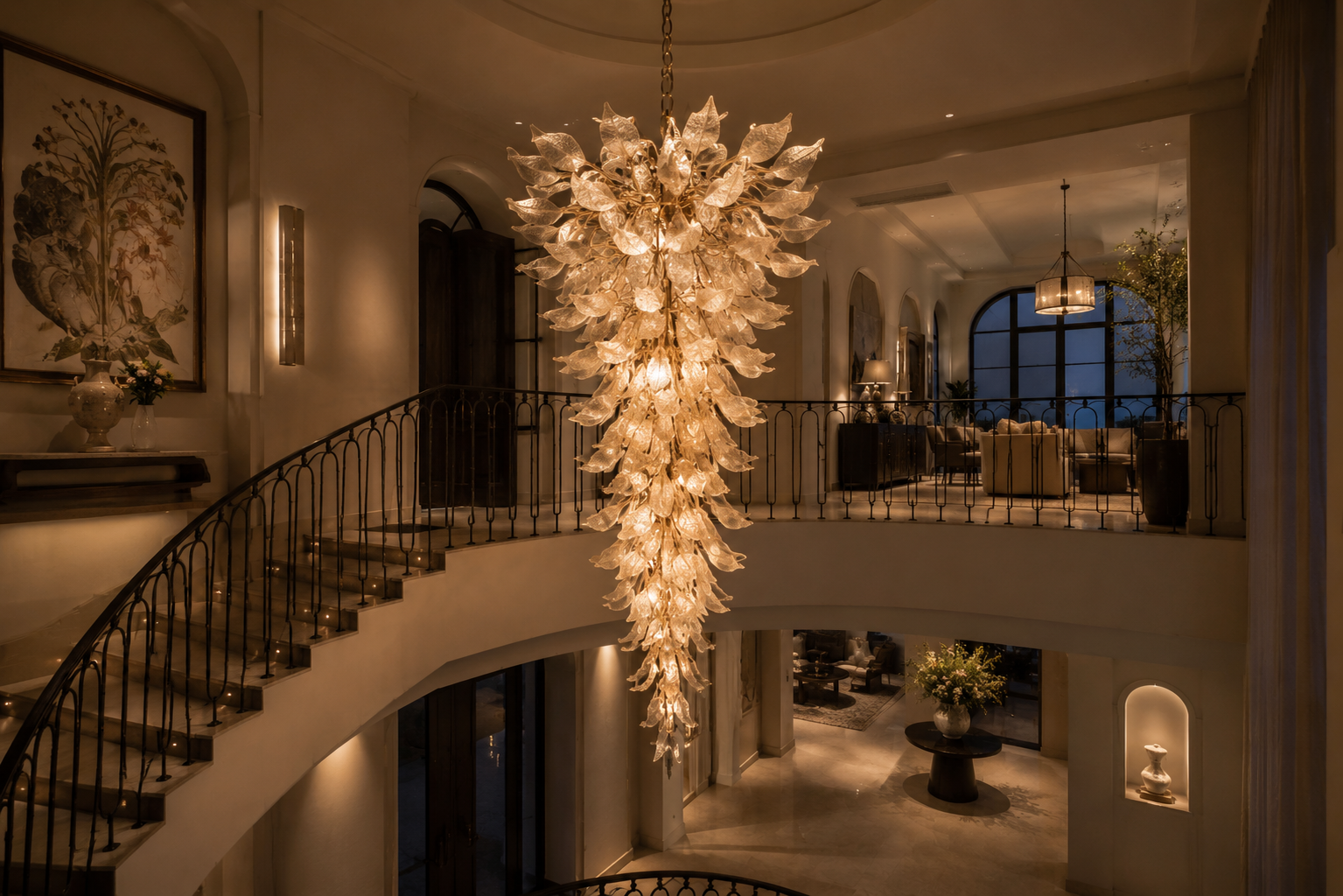
Light possesses a remarkable capacity to shape space itself, to reveal the materiality of surfaces, to establish mood and atmosphere, to define how inhabitants experience and move through environments. Yet in contemporary design practice, lighting often occupies a subordinate position, addressed through conventional fixtures selected primarily for functional adequacy rather than aesthetic and experiential significance. The White Teak Company challenges this hierarchy fundamentally, positioning lighting not as supplementary utility but as essential design element one capable of transforming interiors from merely functional to genuinely transcendent. The brand's philosophy centres on a conviction that exceptional lighting design emerges from understanding light as both technical discipline and artistic practice. This perspective attracts architects and designers who recognize that the most memorable interior experiences often owe their distinction to subtle mastery of illumination how light moves through space, the quality of light emitted by fixtures, the visual impact of the fixtures themselves as sculptural elements. The White Teak Company collaborates with master craftspeople and visionary designers, employing techniques ranging from traditional metalworking to contemporary fabrication methods. Each piece represents negotiations between aesthetic ambition and technical feasibility, resulting in lighting fixtures that achieve simultaneous functionality and artistic distinction. Material excellence forms the foundation of the brand's practice. The signature employment of teak wood selected for both its material beauty and enduring quality combines with precious metals, hand-blown glass, and innovative materials to create fixtures of remarkable sensory richness.

A White Teak chandelier isn't merely an object producing illumination; it becomes a sculptural centrepiece that shapes spatial perception through formal presence and material expression. The light quality emerging from fixtures undergoes careful consideration the warmth of illumination, the pattern of light distribution, how shadows play across surrounding surfaces ensuring that lighting enhances rather than contradicts design narratives. What distinguishes The White Teak Company is the refusal to treat chandelier design as decorative commodity. Instead, each fixture emerges from serious design thinking addressing questions of proportion, material integration, spatial context, and the philosophical dimensions of illumination. This approach appeals to architects designing significant residential or hospitality projects who understand that lighting design represents an opportunity for artistic expression and experiential enhancement. The custom design services prove particularly valuable, enabling clients and designers to commission bespoke lighting solutions responsive to specific spatial requirements and aesthetic visions.
The technical sophistication embedded in the brand's designs often becomes invisible to observers, visible only through quality of illumination and spatial transformation achieved. Fixture engineering ensuring optimal light distribution, wiring integration disguised through material mastery, thermal management preventing discoloration of precious materials these technical achievements support aesthetic objectives without self-promoting visibility. This restraint distinguishes serious design from design that advertises itself through ostentatious complexity. Collectors increasingly recognize White Teak fixtures as significant design objects worthy of investment. The pieces appreciate in value over time, their significance acknowledged within design discourse and institutional collections. For homeowners commissioning substantial residential projects, a White Teak Company chandelier becomes focal point not through decorative exuberance but through the quality of presence that exceptional design objects achieve when they successfully resolve aesthetic, technical, and conceptual imperatives simultaneously. In positioning lighting design as consequential artistic practice, The White Teak Company has fundamentally elevated how discerning individuals and design professionals engage with illumination recognizing its profound capacity to shape the texture of daily lived experience within carefully considered interior spaces.