

There's a specific kind of tired that comes from wearing the wrong shoes all day, not painful exactly, just a low hum of discomfort you stop noticing until you take them off and feel your feet exhale. Neeman's built an entire brand around getting rid of that feeling. No flashy drop culture, no manufactured scarcity. Just sneakers designed around the fairly obvious idea that your feet are in them for ten-plus hours a day and deserve better treatment than an afterthought.
That's the pitch, anyway. What's interesting is how much of it actually holds up once you get past the marketing copy and into the materials.
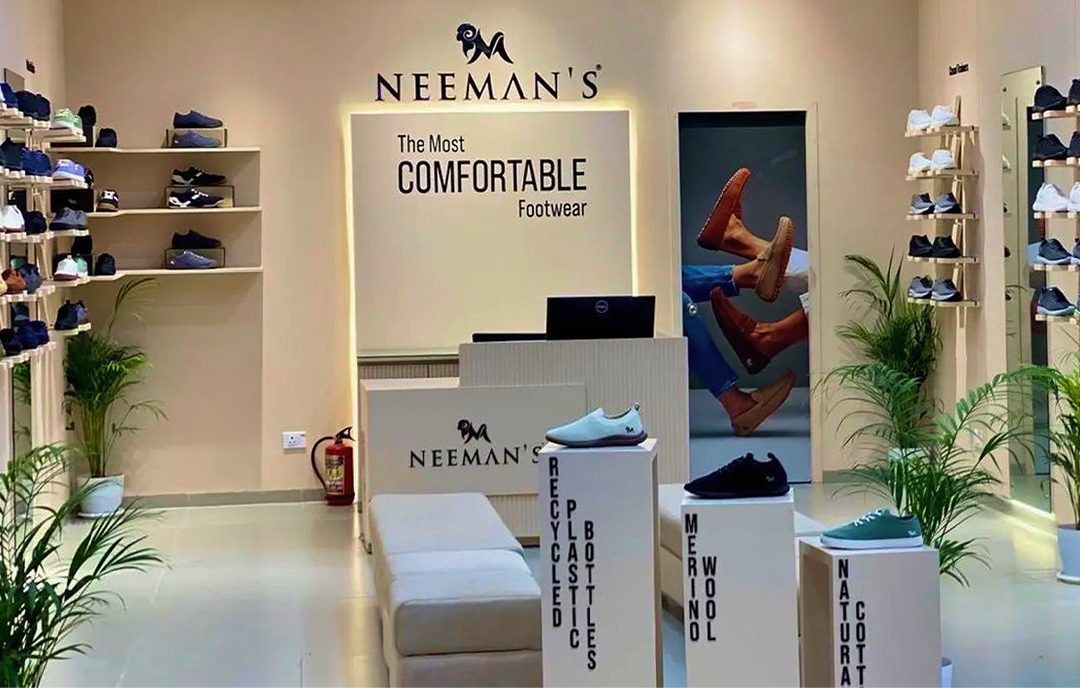
The sustainability story isn't just a sticker on the box
A lot of sustainable sneakers in India lean on the word "eco-friendly" the way restaurants lean on the word "authentic": used often, defined rarely. Neeman's is a bit more specific about it. The brand builds around materials like merino wool, recycled rubber, and natural fibres instead of the usual synthetic mesh-and-foam combination most mass-market sneakers default to.
It's not a purely feel-good angle either. Merino wool happens to be genuinely good at the two things sneakers are worst at: trapping heat and holding onto smell. Swap in wool, and both problems shrink considerably. That's the quiet trick behind an eco-friendly footwear brand actually working: the sustainable choice and the comfortable choice turn out to be the same choice.
Merino wool sneakers: comfort meets conscience
Wool in a sneaker sounds like a contradiction until you've actually worn a pair through a hot afternoon. The fibre naturally regulates temperature, pulling moisture away from the skin instead of trapping it against a synthetic lining. It also happens to resist odour far better than polyester blends, which matters more than most sneaker marketing wants to admit.
For a market like India, where a decent chunk of the year runs hot and humid, that's not a small feature. Merino wool shoes in India solve a very local problem: how do you keep a shoe breathable without it falling apart after six months of monsoon humidity? Wool's natural crimp structure (those tiny air pockets that trap and release moisture) ends up doing more heavy lifting than most people realise until they switch and never really want to switch back.
From gym floor to street corner
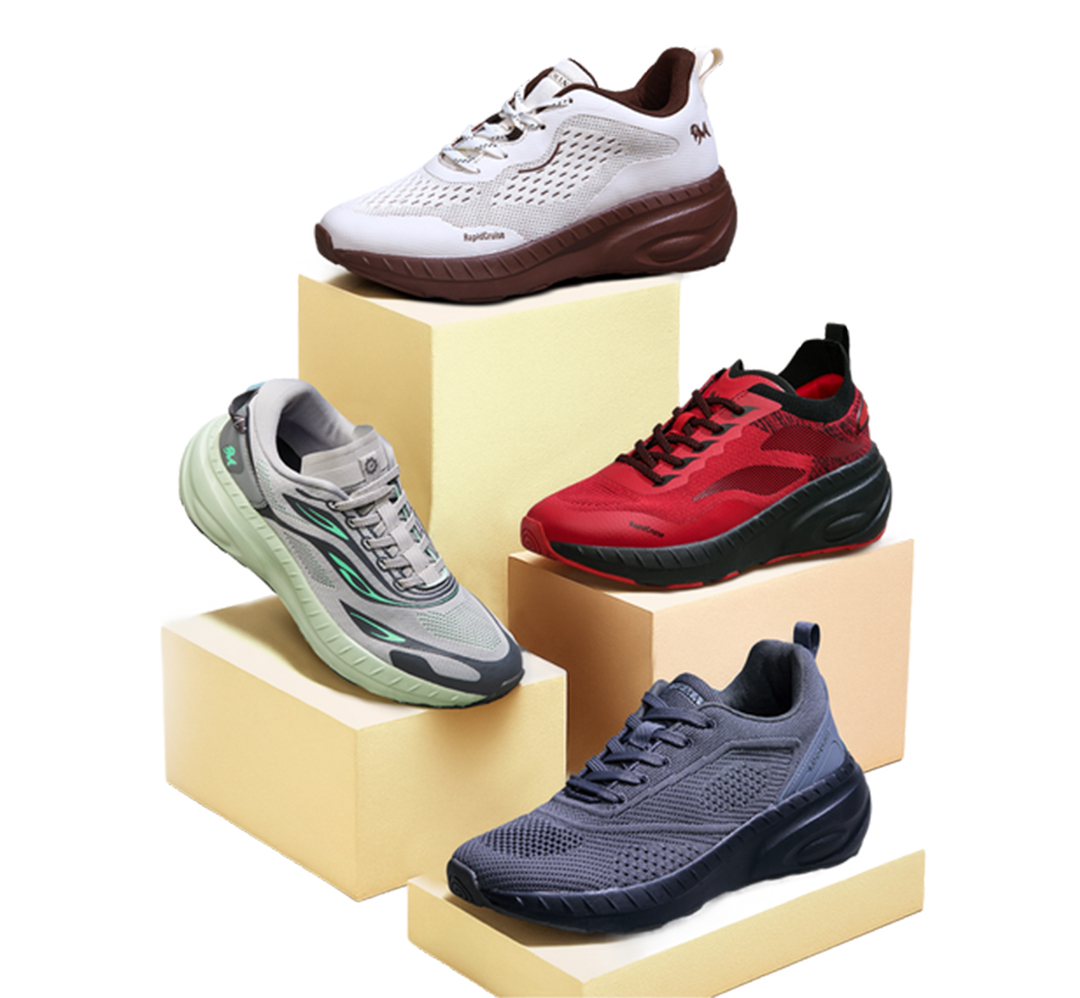
One thing Neeman's has done reasonably well is refuse to lock itself into a single lane. The range moves comfortably from classic runners built for actual movement (gym sessions, long walks, standing all day at a job that doesn't let you sit down) to bolder colourways that work fine outside a workout context entirely.
That range matters because most people don't own separate "gym shoes" and "everyday shoes" anymore, not really. A comfort sneakers brand that understands this designs one shoe that quietly does both jobs instead of forcing customers to choose. You put them on for a walk in the morning and they're still the right shoe when you're running errands in the afternoon.
Why comfort-first footwear is the next real shift
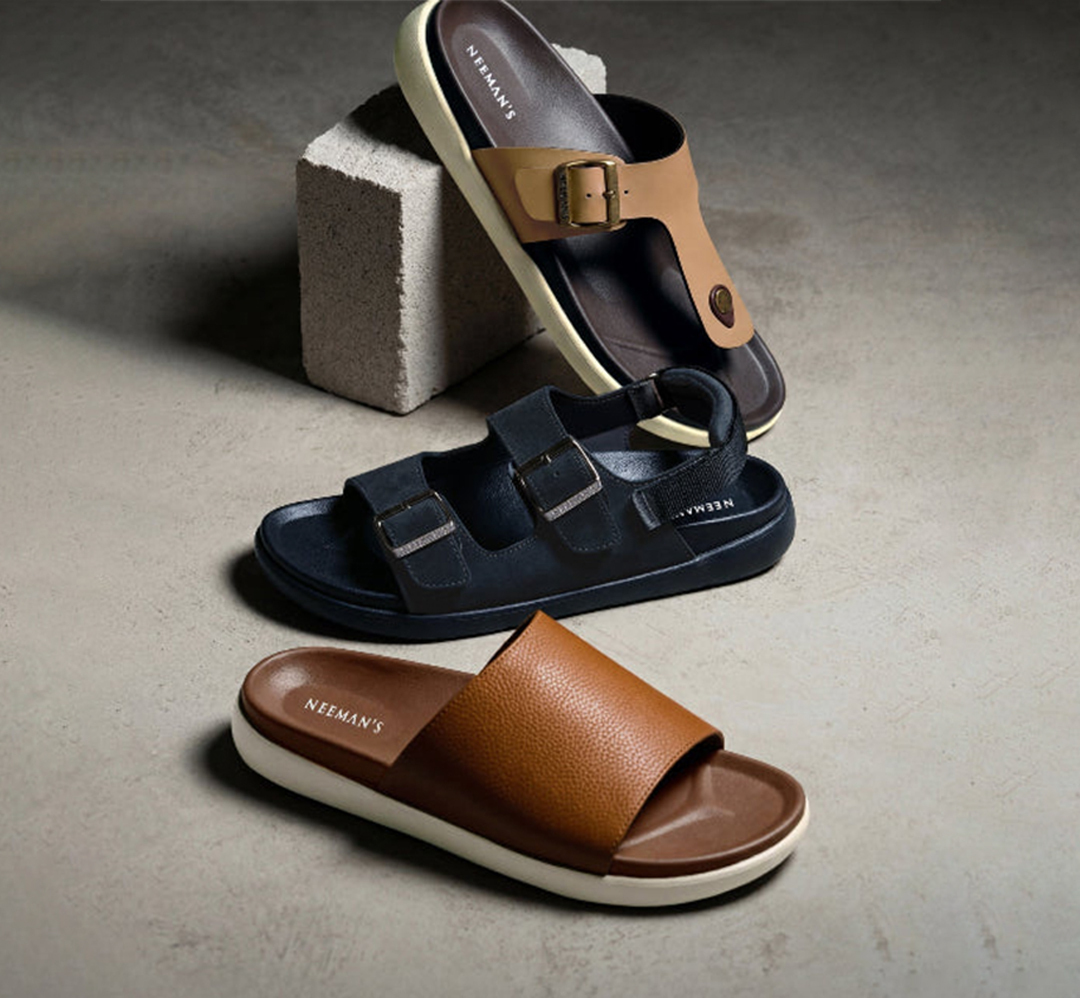
For a long time, Indian footwear shopping split into two camps: cheap and disposable, or expensive and aspirational (usually a global brand name you were partly paying for). Comfort as its own selling point, backed by material science rather than a logo, is a newer conversation. It's also, frankly, overdue.
People are starting to ask harder questions before buying shoes. Does this actually feel good after eight hours? Is it going to fall apart in a season? Comfort sneakers in India used to mean "orthopaedic," a word nobody wanted stamped on something they'd be seen wearing. Neeman's has helped shift that association, proving a shoe can be built around foot health without looking like it was designed by a podiatrist who has no opinions about aesthetics.
The retro runner revival, done Neeman's way
Retro runners are everywhere again, and most brands are chasing the trend by slapping an old silhouette onto new foam. Neeman's take is a little different: a low-profile runner shape built around the wool-and-natural-fibre construction rather than around nostalgia for its own sake. The retro look is real, but it's a byproduct of function rather than the whole point.
That distinction matters more than it sounds. A retro shoe built purely for looks tends to feel exactly like what it is: a shape borrowed from an old catalogue with modern cushioning bolted underneath. Neeman's version feels more honest: flatter soles because that's genuinely more comfortable for all-day wear, simple uppers because wool doesn't need six overlapping synthetic panels to look finished.
Why word of mouth does more work than ads here
Comfort is a hard thing to sell through a photo. A sneaker can look identical to five other pairs in a product shot and still feel completely different once it's actually on your foot for a full day. That's probably why Neeman's has grown more through recommendation than through loud advertising. Someone's colleague wears a pair, mentions offhand that their feet stopped hurting on long shifts, and that does more convincing than a campaign ever could.
It's a slower way to build a brand, and a less flashy one. But it fits the product. You don't need hype to sell something that solves a problem people were quietly living with. You just need enough people to try it and notice the difference, which is a much lower bar than convincing someone a shoe is cool.
Where this leaves the rest of the market
Sustainable sneakers in India are no longer a niche experiment for people willing to pay extra to feel virtuous. Neeman's has made a decent case that comfort, sustainability, and reasonably good looks aren't three separate features you have to compromise between. They're one design decision, made properly, that solves all three at once.
Whether every pair in the lineup nails that balance is a fair question, and reasonable people will land in different spots on any given colourway. But the underlying premise, that Indian feet in Indian weather deserve a sneaker built around actual comfort rather than borrowed hype, is hard to argue with once you've spent a full day in a pair and realised you forgot they were even there.