
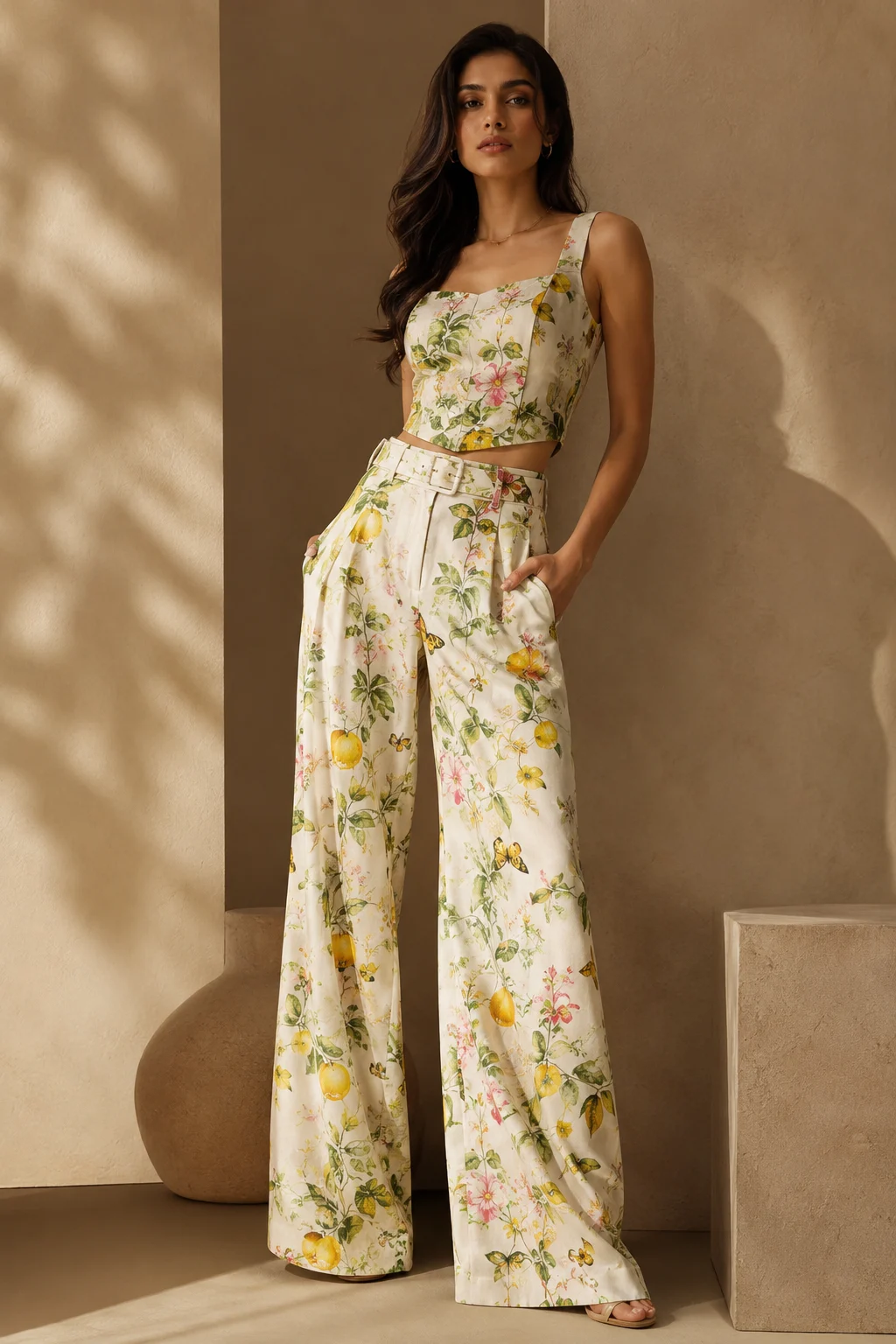
There's a specific image "old money" conjures: someone who looks put together without appearing to have tried. Not boho, not beachy, not covered in obvious logos. Just quietly, confidently dressed, usually in something that looks like it's been in the family for decades even if it was bought last week. Chöjé builds its entire collection around one version of that image: old money, but make it Capri.
There's a specific image "old money" conjures: someone who looks put together without appearing to have tried. Not boho, not beachy, not covered in obvious logos. Just quietly, confidently dressed, usually in something that looks like it's been in the family for decades even if it was bought last week.Chöjé builds its entire collection around one version of that image: old money, but make it Capri.
It's a specific enough reference that it tells you almost everything about the brand before you've even seen a single piece. Not old money in the Hamptons. Not old money at a country club. Old money on a boat off the Italian coast, in linen and plaid, drinking something cold, not performing wealth so much as existing in it.
I'll admit the first time I saw the tagline I rolled my eyes a little. "Old money" has been done to death as a moodboard phrase, mostly by people selling beige cardigans and calling it a personality. But actually, look at what Chöjé is making, and the reference earns itself. It's not a beige cardigan brand.
What "old money in Capri" actually means as a design brief
Every trend has a mood board, and Chöjé's is unmistakable: tailored separates, muted plaids, gingham that reads more heritage than picnic blanket, and silhouettes that are cut close enough to look intentional without ever looking tight. It's the opposite of the loud resort wear you'll find at most beach destinations, the sequins, the neon, the oversized florals that scream "vacation" from fifty feet away.
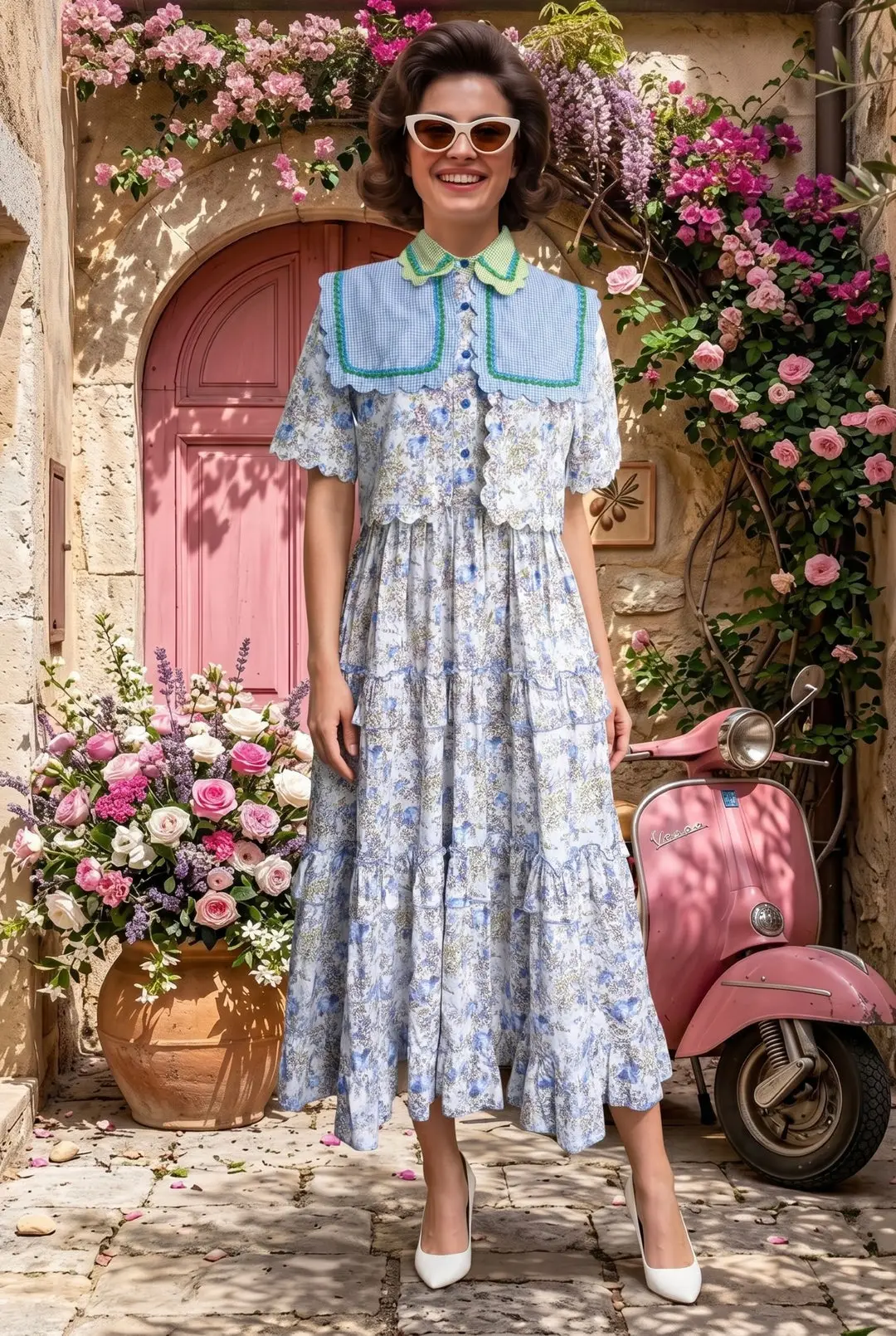
Chöjé is quieter than that. The brand's founder built the label around the idea that vacation dressing doesn't need to announce itself. A woman in a well-cut plaid shirt tucked into tailored shorts reads more expensive, and honestly more interesting, than someone in an obviously "resort" outfit. There's something almost contrarian about it, dressing down the vacation aesthetic while dressing up the actual craftsmanship.
Prêt-à-porter, but make it exclusive
The brand describes itself as exclusive prêt-à-porter, which is a slightly unusual combination. Prêt-à-porter, ready-to-wear, is by definition the more accessible tier of fashion, sitting below couture. But Chöjé treats that ready-to-wear promise with a level of exclusivity you'd expect from a much smaller, harder-to-access label.
What that looks like in practice: limited runs, considered drops, pieces that don't flood the market the way fast fashion resort wear does. You're not going to see six other women in the same plaid set at the same beach club. That scarcity is part of the value proposition, not a side effect of it. It's a smart middle ground, giving customers the accessibility of ready-to-wear without the ubiquity that usually comes with it.
I think this is the smartest business decision in the brand's whole setup, honestly. Anyone who's shown up to an event in the same dress as three other guests knows the specific, low-grade horror of it. Chöjé is essentially selling insurance against that moment, dressed up as a fashion philosophy.
Plaid and gingham are having a real moment, and Chöjé got there early
If you've paid attention to resort wear over the last couple of seasons, you'll have noticed plaid and gingham creeping into territory usually reserved for florals and stripes. It's part of a broader shift toward what's been called "quiet luxury," clothing that signals taste rather than cost, that relies on cut and fabric rather than branding.
Chöjé's take on plaid separates isn't incidental to that shift, it's central to the brand's whole identity. A plaid set in muted tones does something a bright floral can't: it looks equally at home at a Capri lunch and a more low-key evening event. It doesn't scream "beach," which means it doesn't stop working the moment you leave the beach.
Effortless on the outside, obsessive on the inside
Here's the tension that makes Chöjé worth paying attention to: the brand is chasing an "effortless" look while clearly not being effortless about how it gets there. Tailored separates require actual tailoring. A gingham shirt that drapes correctly and doesn't pucker at the seams is a fabric and construction decision, not a happy accident.
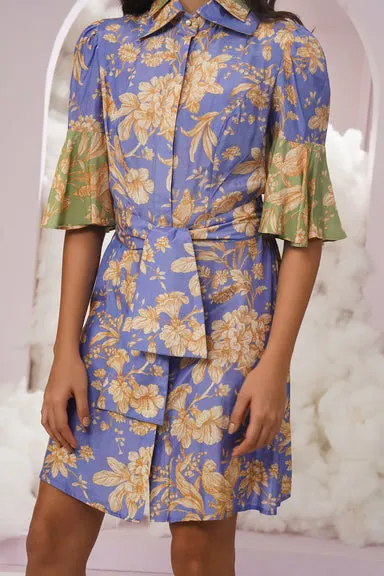
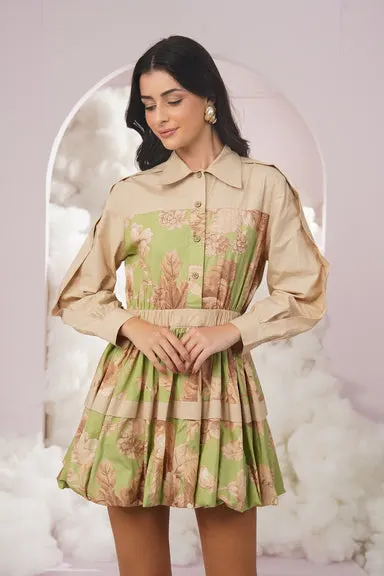
This is the quiet detail work that separates a genuinely well-made piece from something that just looks similar in a product photo. The old-money aesthetic depends entirely on this kind of invisible effort. If the construction is sloppy, the whole illusion falls apart, because the point of "old money" style is precisely that nothing looks rushed or cheap.
It's a bit like watching someone who's genuinely good at something make it look easy. The skill is exactly what lets them make it look effortless. Take the skill away and you're left with an actually messy shirt, which is a very different, much less flattering look.
Styling Chöjé for Capri versus styling it for home
Part of what makes this label interesting is thinking about how the same pieces translate across contexts. On an actual European coastline, Chöjé's plaid separates and preppy silhouettes fit right into the existing visual language of the place, all cobblestones and boat clubs and afternoon spritz.
Bring the same pieces to an Indian resort destination, and they read a little differently, a deliberate contrast to the more tropical, print-heavy aesthetic that dominates a lot of Indian vacation wardrobes. That contrast is arguably the more interesting styling opportunity. A tailored plaid set against a backdrop of palm trees and turquoise water creates a kind of visual tension that a matchy-matchy tropical outfit doesn't.
Who actually wears this
Chöjé isn't for the traveler chasing maximalism. It's for someone who has already gone through her florals-and-sequins phase and landed somewhere more restrained, someone who wants her vacation wardrobe to look considered rather than costume-y. It also tends to appeal to women who dress this way outside of vacation too, since the plaid separates and tailored pieces work as easily for a weekend brunch at home as they do for an actual Capri getaway.
If your idea of a dream trip involves more boat clubs than beach bars, and you'd rather look like you didn't try than look like you tried too hard, Chöjé is built for exactly that instinct.
For more coverage of the Indian labels reshaping resort wear, check out The Vantage Mag.