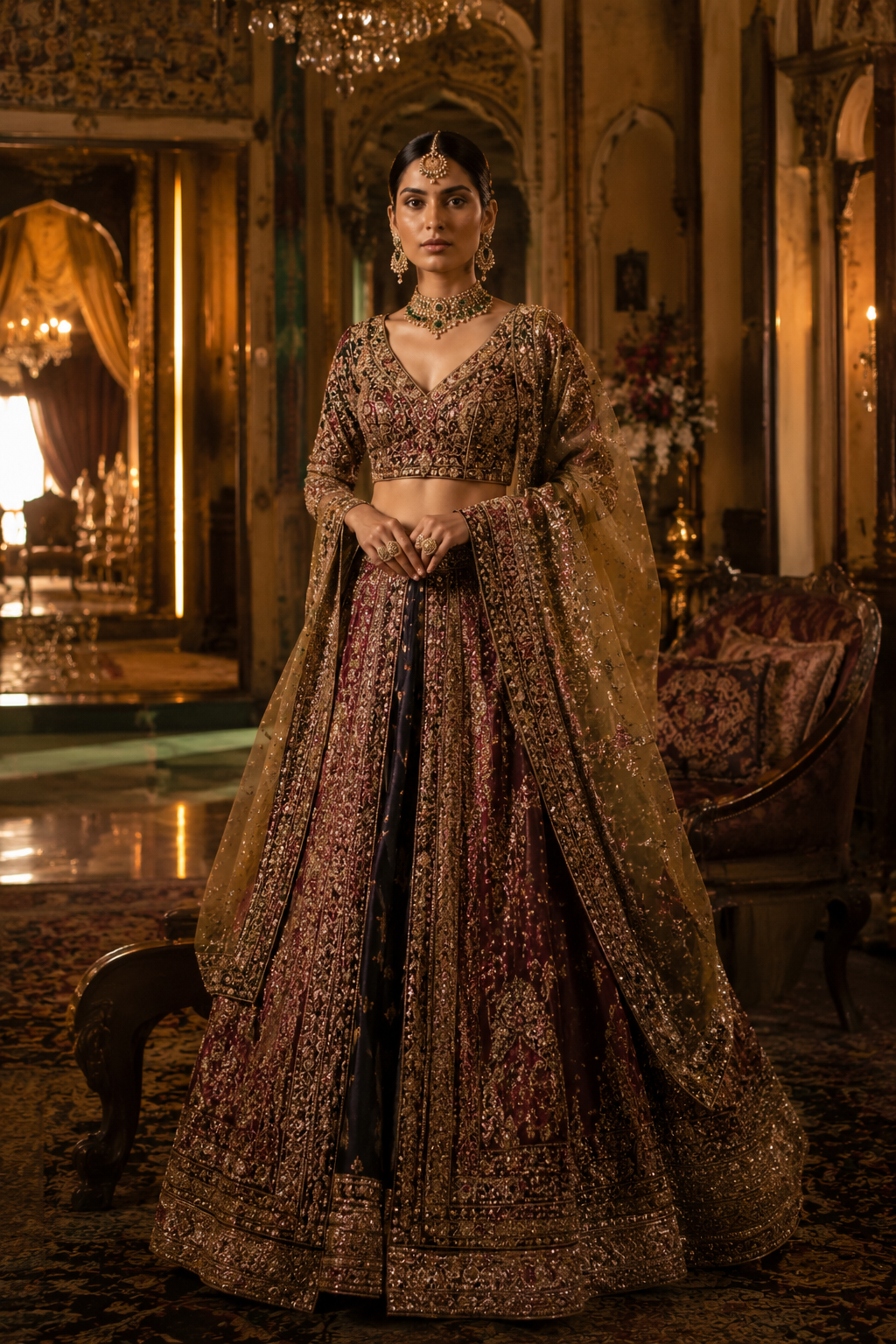
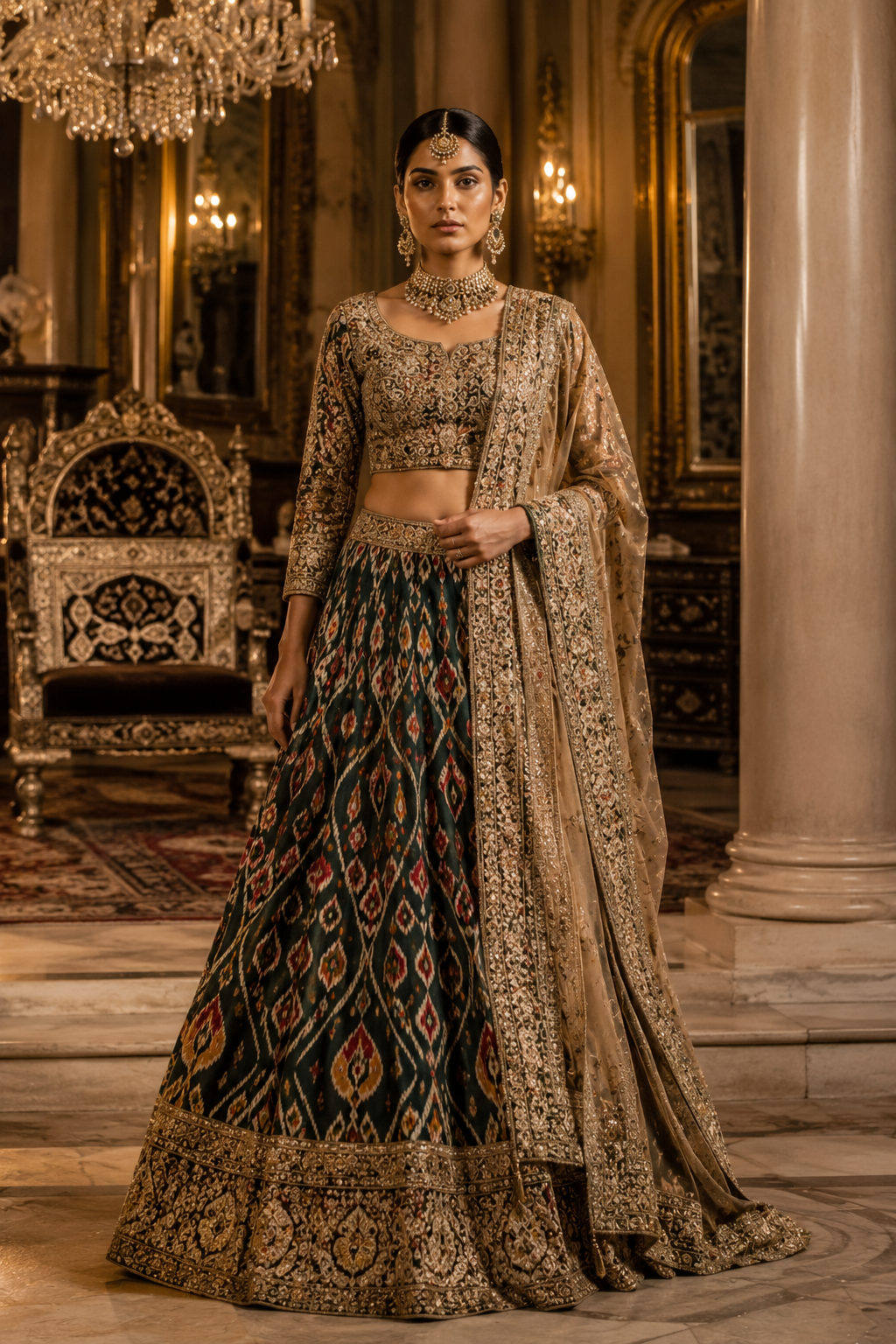
To wear Jayanti Reddy is to understand that luxury in India has its own historical grammar one written not in Parisian ateliers but in the courts of the Nizams, in the temples of Andhra, in the hands of craftspeople whose lineage of skill extends further back than most couture houses have existed. Reddy has made it her life's work to translate this grammar into the language of contemporary luxury, producing garments that are historically grounded and entirely present-tense.
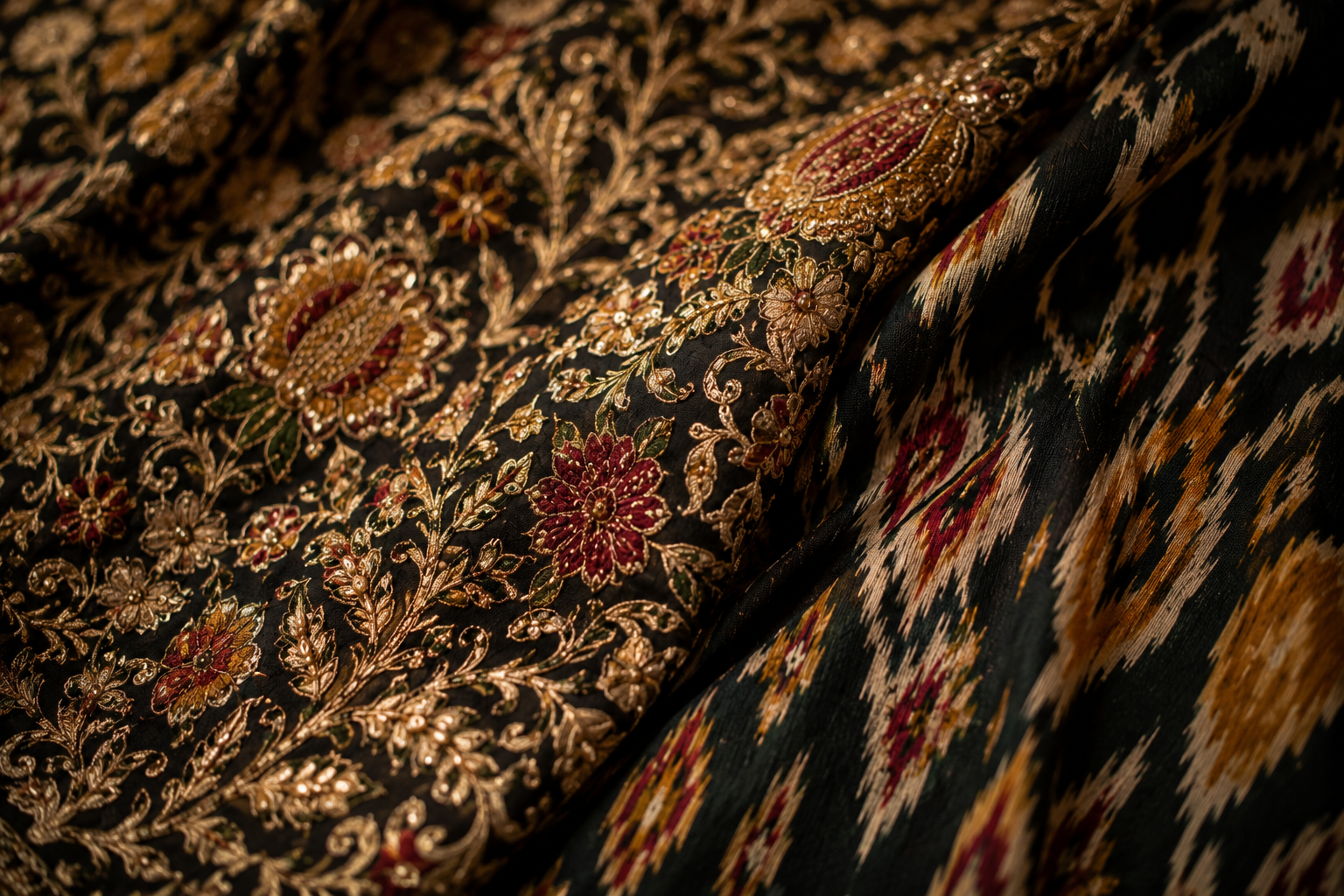
Reddy's design practice is inseparable from her roots in Hyderabad and the textiles of the Deccan. She works with master weavers of Pochampally ikat, with artisans trained in the Bidri metalwork tradition, with embroiderers who carry the specific technical knowledge of the Nizami court aesthetic. Her philosophy is one of deep collaboration: the designer as curator and amplifier of existing mastery rather than sole author. Sustainability is inherent each commission is individual, each piece made to order, each craft tradition perpetuated through patronage. The aesthetic that results is one of dense, considered richness: garments that reward looking closely, that have more to offer the longer one spends with them.
Jayanti Reddy's collections move between the ceremonial and the contemporary, finding in each the other's echo. A Pochampally ikat fabric becomes the body of a structured jacket with international proportions; traditional pearl drop embroidery migrates from bridal dupatta to evening blouse. The brand's most devoted clients are those who have discovered that genuine heritage, worn with conviction, is the most powerful statement available in luxury fashion. Her recent collections have attracted the attention of international buyers and heritage institutions, positioning her as a central figure in the revaluation of India's textile wealth.
Jayanti Reddy's contribution to Indian luxury fashion is one of sustained advocacy for the textile, for the craftsperson, for the idea that India's greatest fashion asset is not its capacity to imitate global trends but its depth of original material culture. This argument, made collection after collection with quiet authority, grows more urgent with every passing season.