
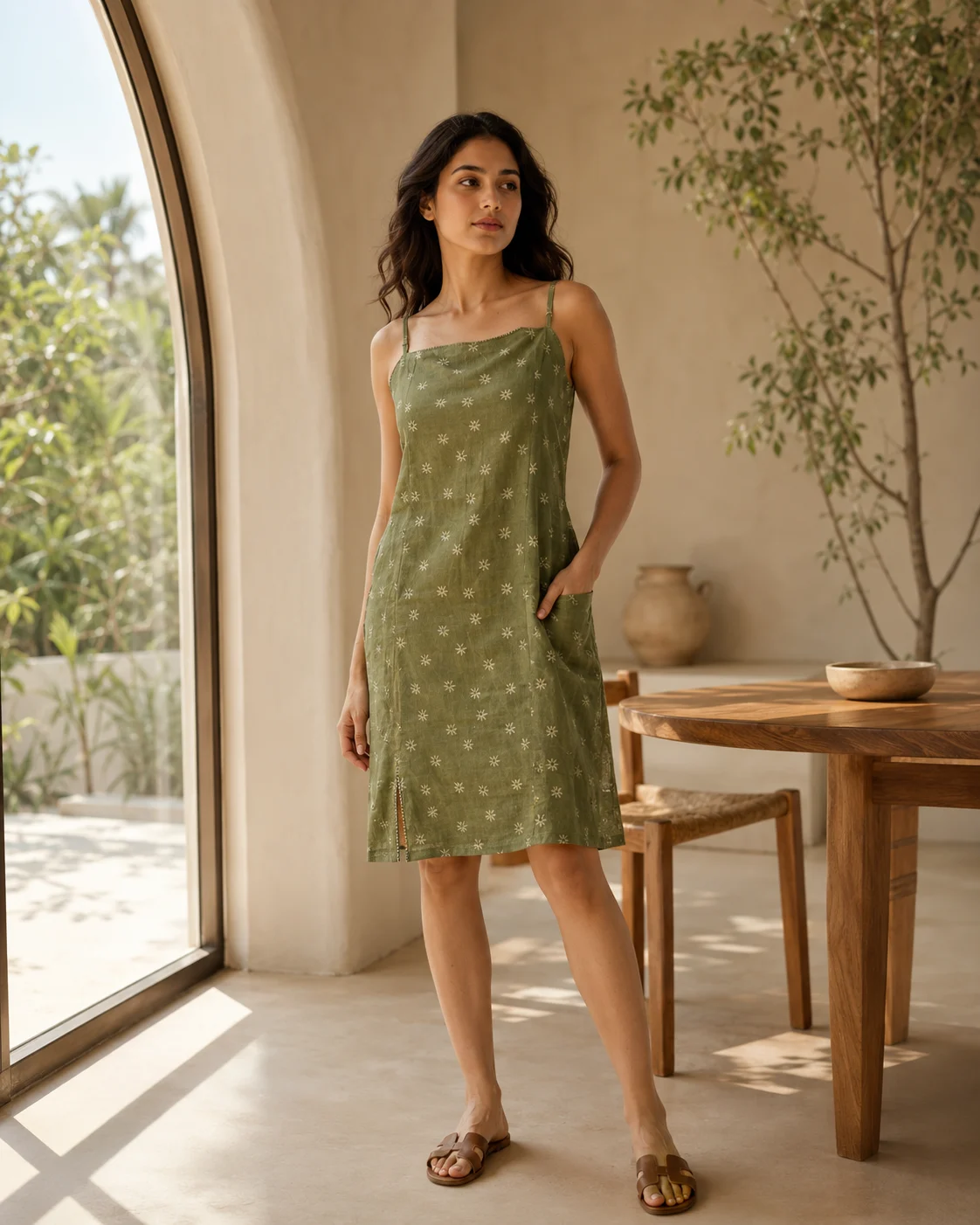
Some brands pick a category and try to cover it broadly. Label Tanvi Mittal picked one fabric and decided to get obsessive about it. Everything the Delhi-based label makes runs through 100% pure linen, and once you understand why, the whole collection starts to make sense as one long, patient argument for a single material.
Linen isn't a flashy choice. It wrinkles. It's not stretchy. It demands a bit more care than polyester blends or performance fabrics. But it's also one of the most breathable, temperature-regulating fabrics that exists, and for a country where summer regularly pushes past 40 degrees, that's not a small thing. Tanvi Mittal built a brand around betting that Indian women would rather deal with a few wrinkles than sweat through a synthetic dress at a wedding lunch in May.
I get why that bet sounds obvious once you say it out loud, and also why almost nobody actually builds a whole label around it. Betting your entire identity on one fabric means you can't pivot if the fabric falls out of favor. You're stuck defending linen's honor season after season. So far, it seems to be working in the brand's favor rather than against it.
Why linen, specifically
You could build a resort-wear label around cotton, around rayon, around any number of breathable fabrics. Linen is a more deliberate choice because it comes with real trade-offs. It creases if you look at it wrong. It's more expensive to source and work with than most alternatives. It requires a certain kind of customer, someone who's willing to trade a slightly rumpled look for genuine comfort.
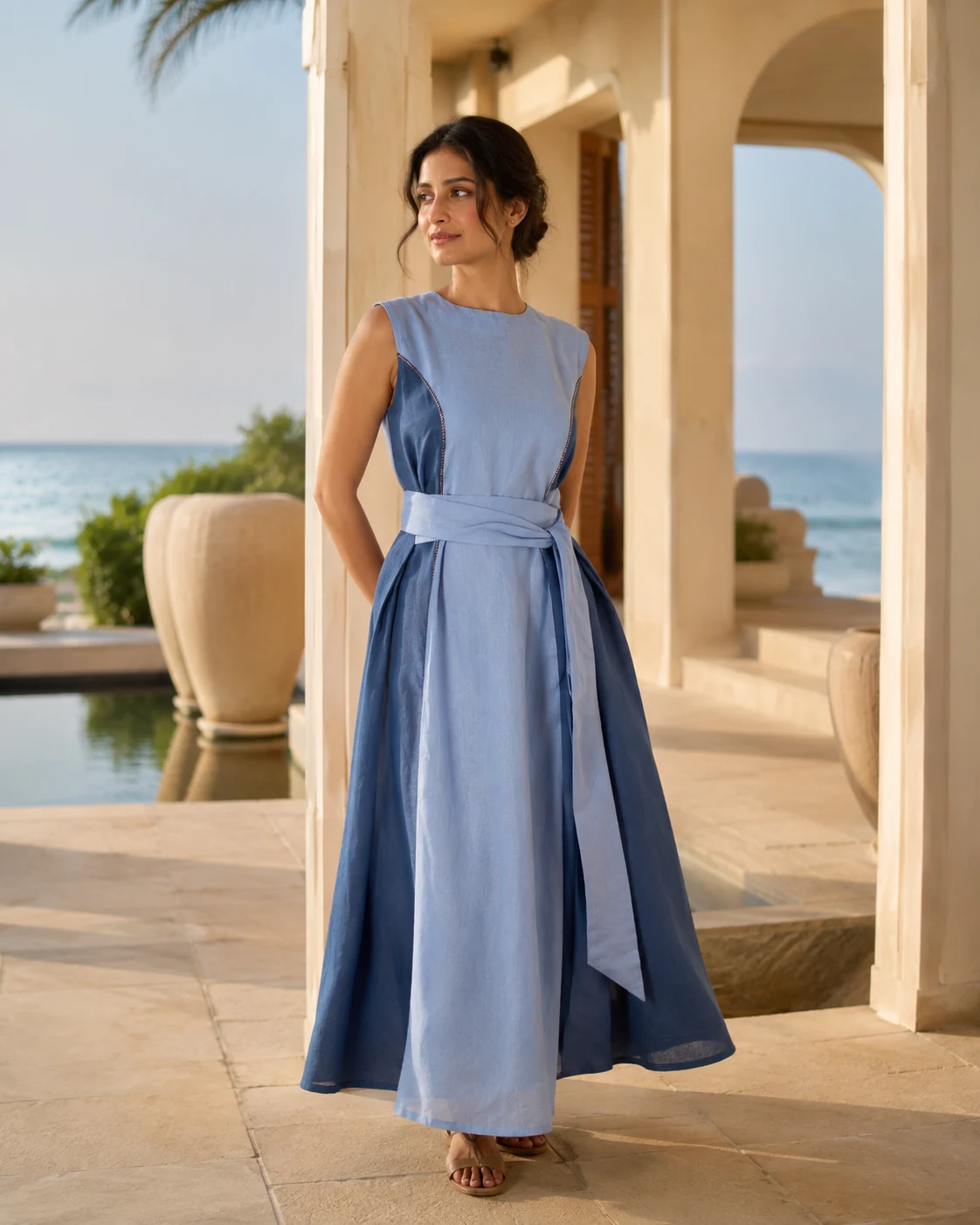
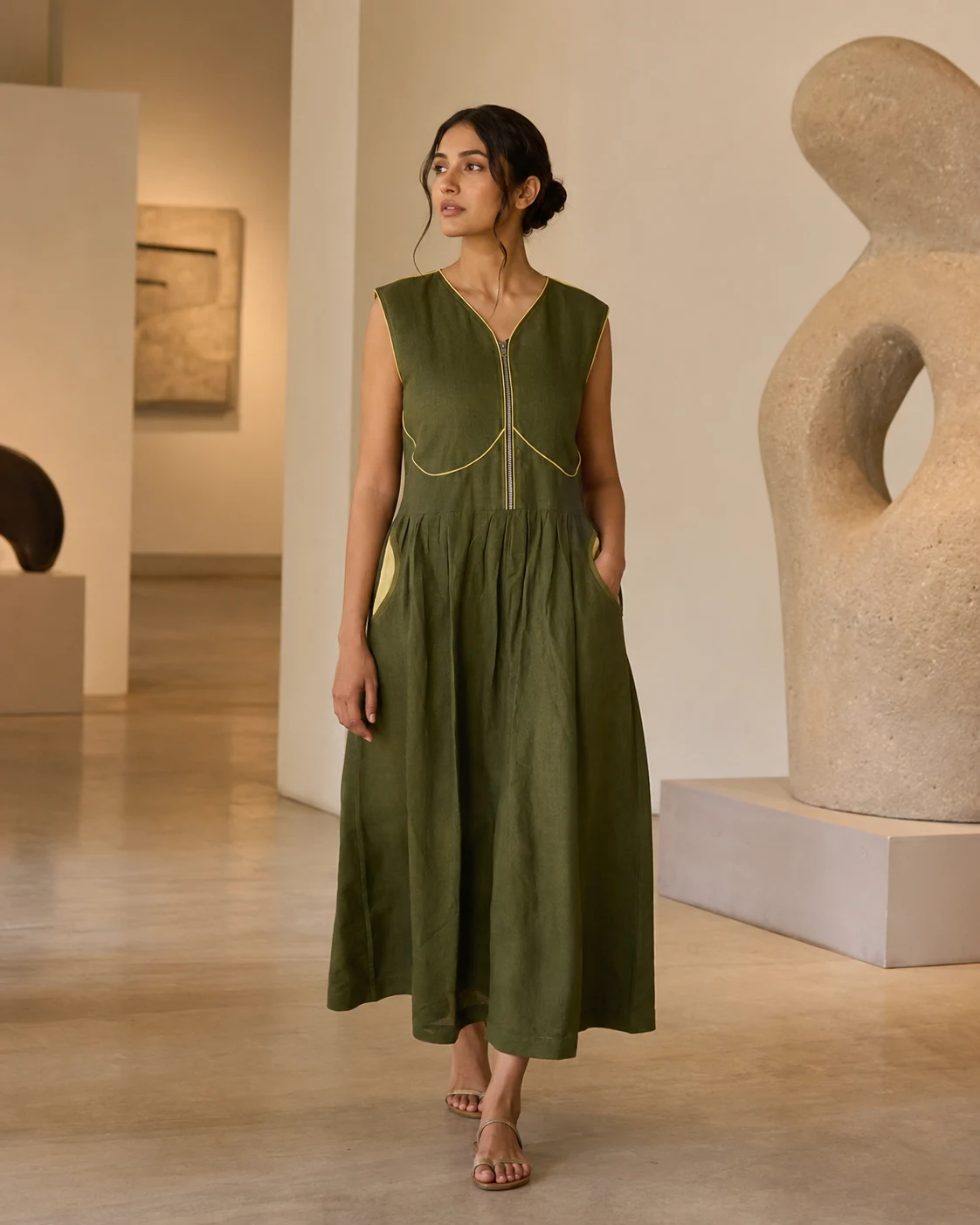
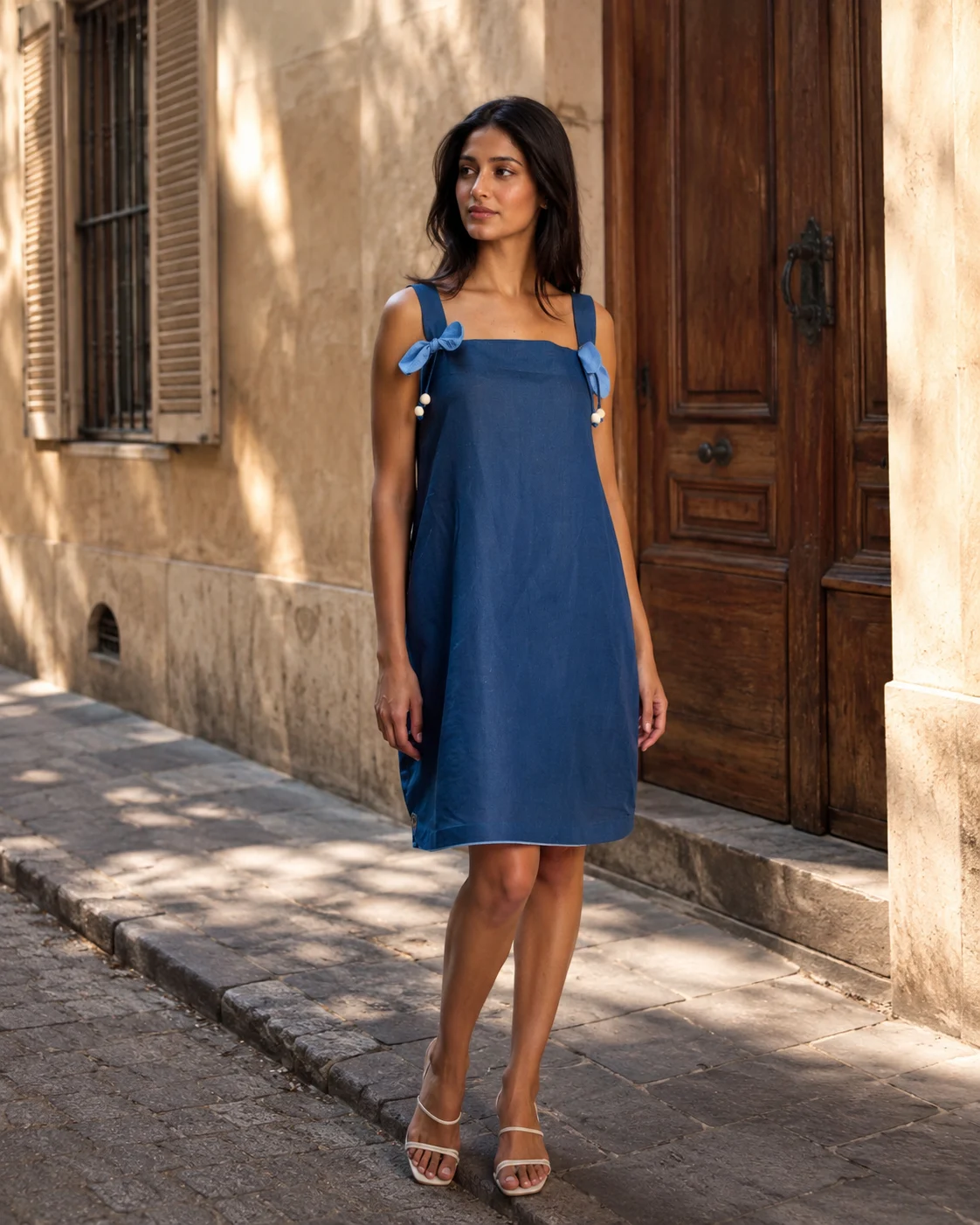
That trade-off is exactly the pitch. A linen dress that's a little creased by 4pm reads as lived-in rather than sloppy, especially once you've decided that's the aesthetic you're going for. Label Tanvi Mittal leans into that instead of fighting it. The brand isn't trying to make linen behave like polyester. It's asking customers to appreciate linen for what it actually is.
Sustainability as the foundation, not the marketing
A lot of fashion labels bolt sustainability onto their messaging after the fact, a recycling initiative here, a "conscious collection" capsule there. Tanvi Mittal's sustainability angle works differently because it's baked into the fabric choice itself. Linen, made from flax, requires significantly less water to produce than cotton and is biodegradable at the end of its life. Choosing to build an entire label around it isn't a marketing decision so much as a structural one.
This matters for how the brand talks about itself. It doesn't need a separate "sustainability page" making broad claims about impact, because the sustainability case is built into the raw material every single piece starts from. That's a more credible story than most conscious-fashion messaging, precisely because it's harder to fake.
I'm generally skeptical of fashion brands that lead with sustainability language, mostly because the claims are so easy to make and so hard to check. This is one of the rare cases where the fabric itself does the arguing, so I don't have to just take the brand's word for it.
Delhi-made, and what that actually means
There's a specific texture to Delhi's fashion scene that's different from Mumbai's or Bangalore's, more rooted in traditional textile craft, closer to the design schools and ateliers that have shaped Indian fashion for decades. Label Tanvi Mittal operates out of that ecosystem, and it shows in the finishing on the pieces: clean seams, proper drape, the kind of construction quality that comes from working with skilled tailors rather than mass-production lines.
Producing locally in Delhi also means shorter supply chains and more direct oversight of how pieces are actually made, at every stage from cutting to stitching to finishing. For a brand whose whole identity rests on quality of construction, that oversight isn't optional. It's the whole point
From summer staple to evening wear
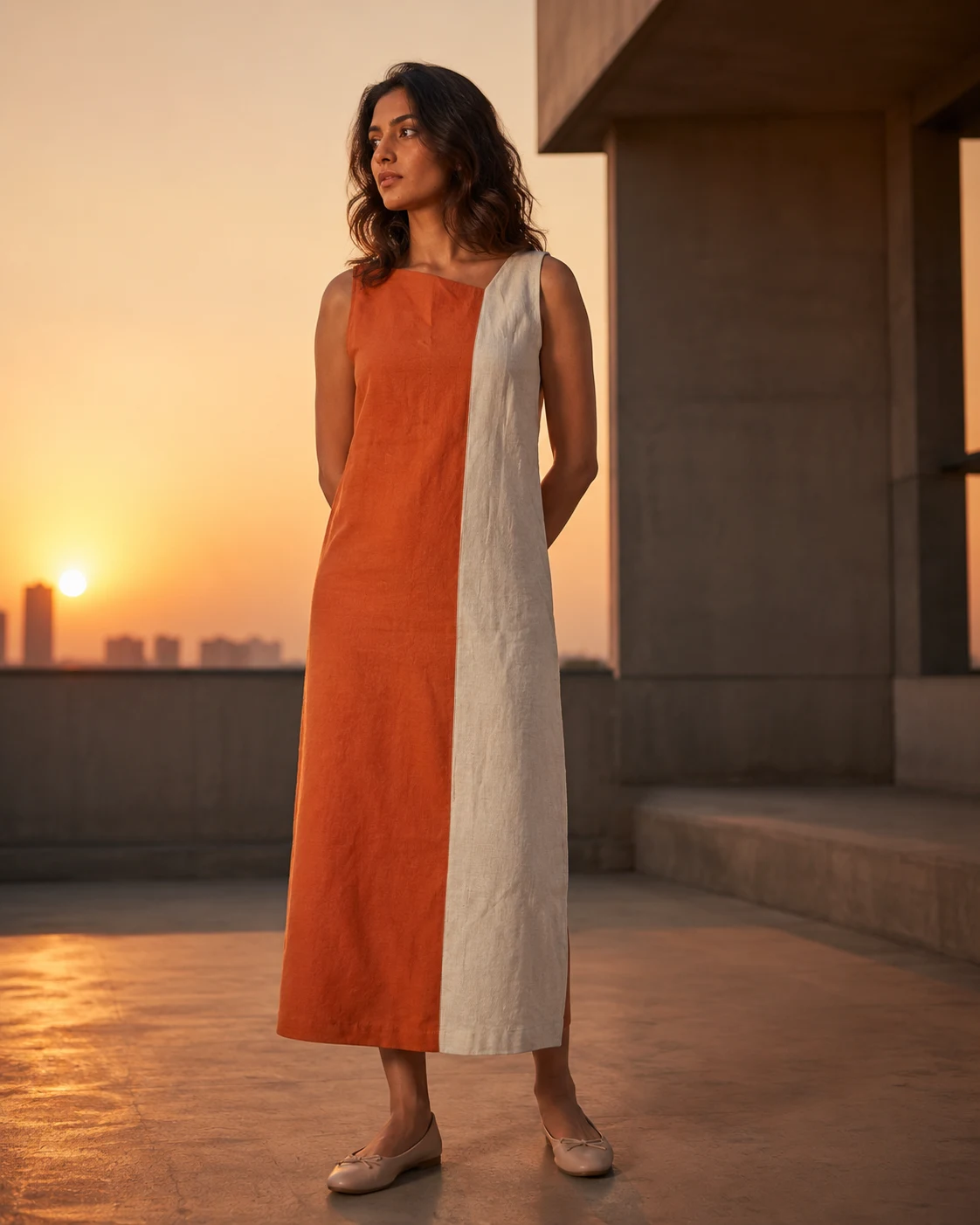
The assumption with linen is usually that it's a daytime fabric, good for beach cover-ups and breakfast outfits, less convincing once the sun goes down. Tanvi Mittal pushes against that assumption. The label's pieces move from casual daywear into evening territory through cut and styling rather than switching fabrics entirely.
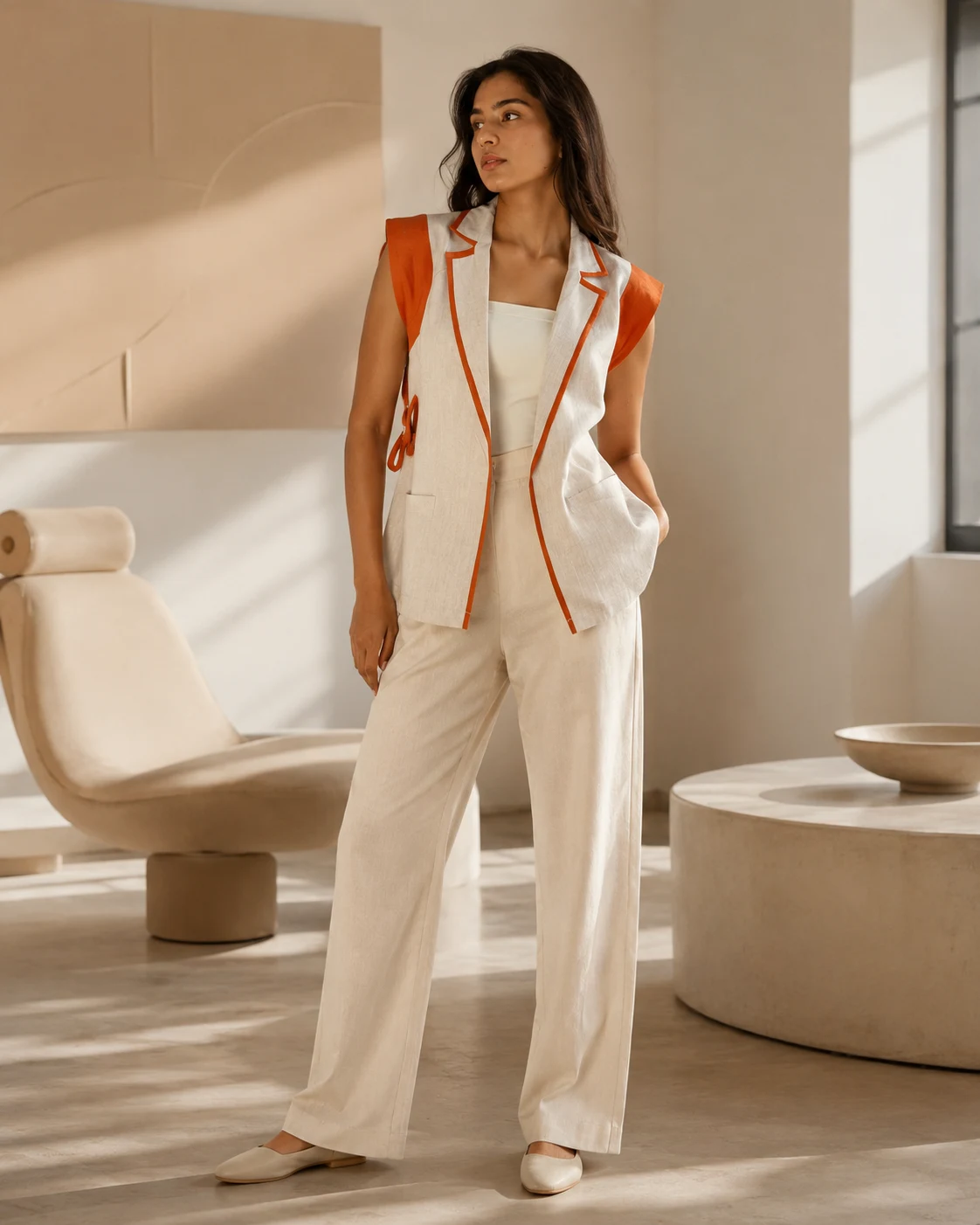
A linen co-ord set, for instance, reads completely differently depending on how it's worn. Loose and relaxed with sandals, it's an easy daytime outfit. Tailored with heels and the right accessories, the same set can hold its own at a dinner. That versatility matters most for travel, where suitcase space is limited and every piece needs to justify its spot by doing more than one job.
Co-ord sets as the entry point
If there's one category that best represents what the brand is going for, it's the linen co-ord set. Two pieces, matched fabric, designed to be worn together or separated and mixed with other items in your wardrobe. It's a practical format: you get a coordinated look without the effort of pairing separates yourself, but you also get the flexibility to break the set apart later and get more mileage out of both pieces.
For someone building a capsule vacation wardrobe, this is close to ideal. A few linen co-ords in complementary tones can produce a week's worth of outfit combinations without needing to pack much else.
Building a conscious wardrobe, one linen piece at a time
What Label Tanvi Mittal is really selling isn't just clothing, it's a slower way of thinking about your wardrobe. Buy fewer pieces. Buy pieces made from a fabric that breathes, that's kinder to the planet, that's been cut and stitched by people whose craft you can actually trace. Wear them for years, not one season.
That's a harder sell than fast fashion's constant churn, but it's also a more durable one, more in the sense of lasting, both for the clothes and for the relationship customers build with the label.
If you're the kind of traveler who'd rather own five linen pieces you'll wear for a decade than fifteen you'll wear once, this is a label worth building your summer wardrobe around.
Discover more sustainable and homegrown fashion labels on The Vantage Mag.