
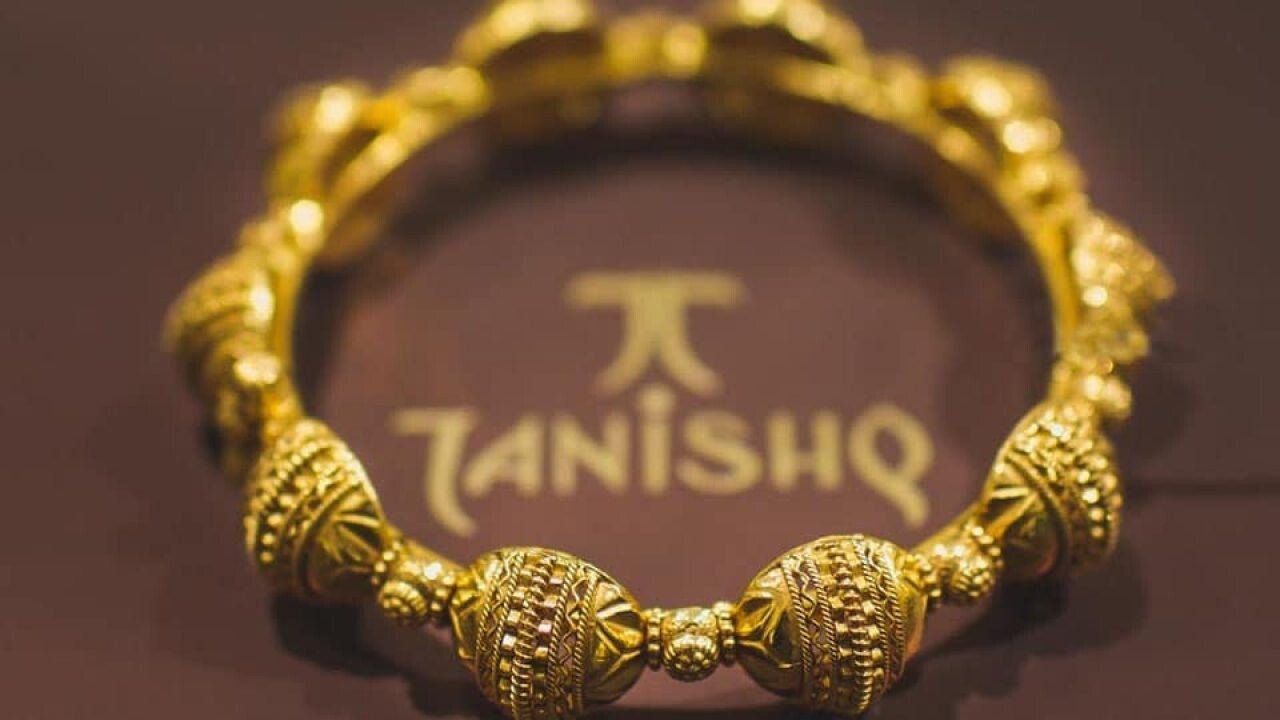
In India, jewellery has never been mere adornment. A necklace passed from mother to daughter carries within its gold the weight of decisions made, sacrifices honoured, and love that could not otherwise be articulated. A diamond set in a ring at a wedding becomes part of the narrative of that marriage. Indian jewellery is wearable memory and no brand understands this more completely than Tanishq.
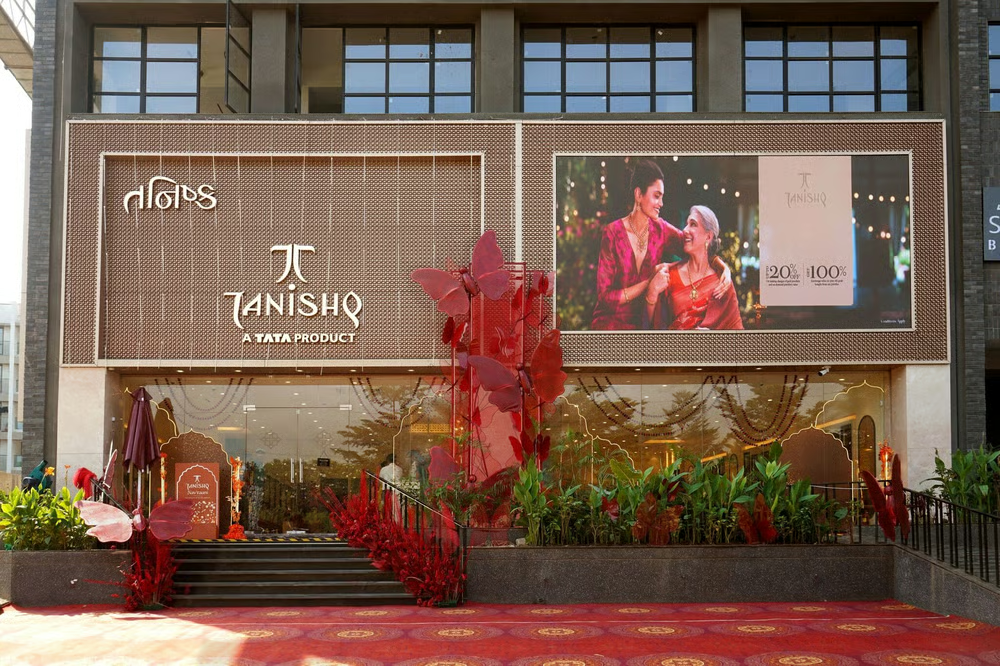
Founded in 1995 under the TATA umbrella, Tanishq was built on a radical premise for its time: that Indian consumers deserved complete transparency in gold hallmarking and gem certification trust, not assumption. Over three decades, the brand has grown into India's most valued jewellery house, drawing its design language from regional craft traditions across the subcontinent Kundan from Rajasthan, Jadau from Gujarat, temple jewellery from Tamil Nadu and translating them for the contemporary wearer without stripping them of their soul.
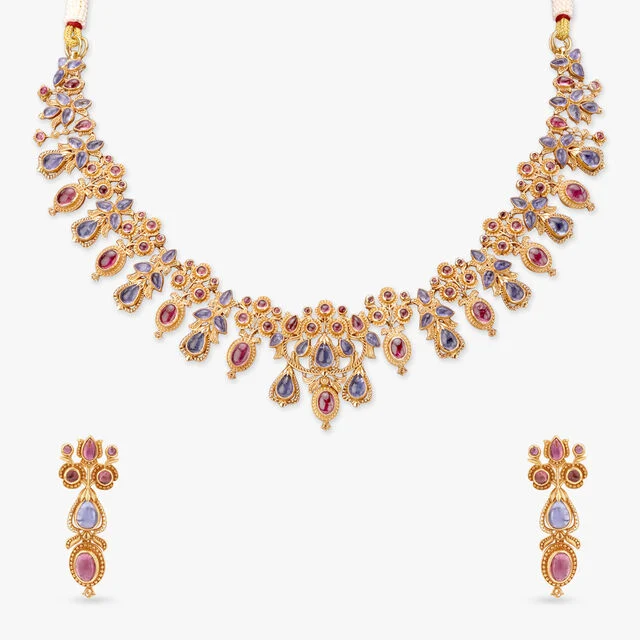
Tanishq Rivaah Bridal Kundan Necklace Set
The Tanishq Rivaah Bridal Kundan Necklace Set speaks in the visual grammar of Mughal miniature painting. Uncut diamonds polled flat to catch light from their natural facets are set in 22KT gold alongside glass-polished gemstones in deep emerald and ruby. The craftsmanship is the work of karigars who have spent decades learning to think in millimetres. To wear it is to wear a painting.
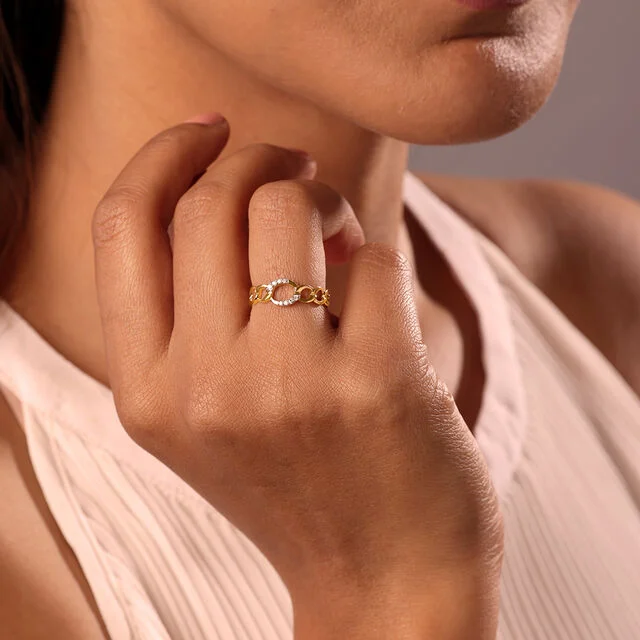
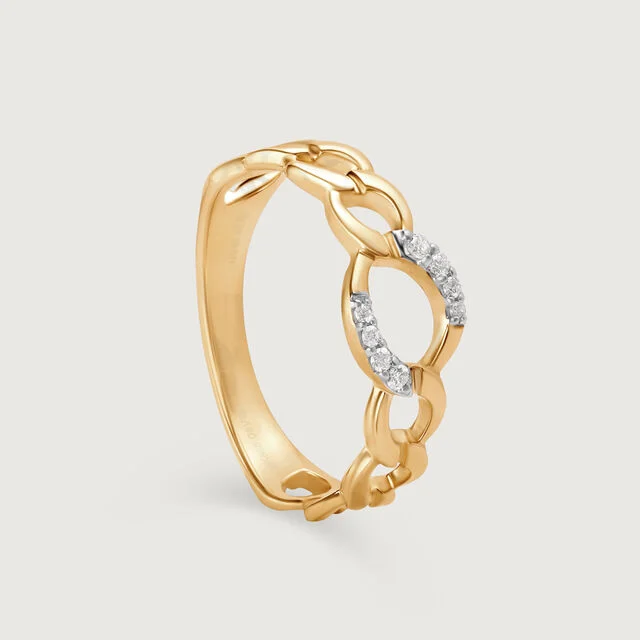
Tanishq Mia 14KT Gold Diamond Ring
For the modern woman who wears her luxury with quiet understatement, the Tanishq Mia 14KT Gold Diamond Ring offers something different: the geometry of contemporary design meeting the warmth of yellow gold. A solitaire or cluster diamond speaks with precision rather than volume. It is everyday jewellery elevated to fine jewellery the distinction that Mia as a line has made its entire argument.
The finest Indian jewellery does not announce itself. It is recognized
The global luxury conversation about Indian jewellery is long overdue. Tanishq has been making the argument with patience and precision for thirty years. The stones are real. The craft is ancient. The story belongs to the world.