
There's a particular kind of coffee brand that people don't just buy from, they talk about. Subko is that brand. Mention it to the wrong person at a dinner party and you'll lose twenty minutes to a monologue about microlots and sourdough starters. I say this with affection, because I've been that person.
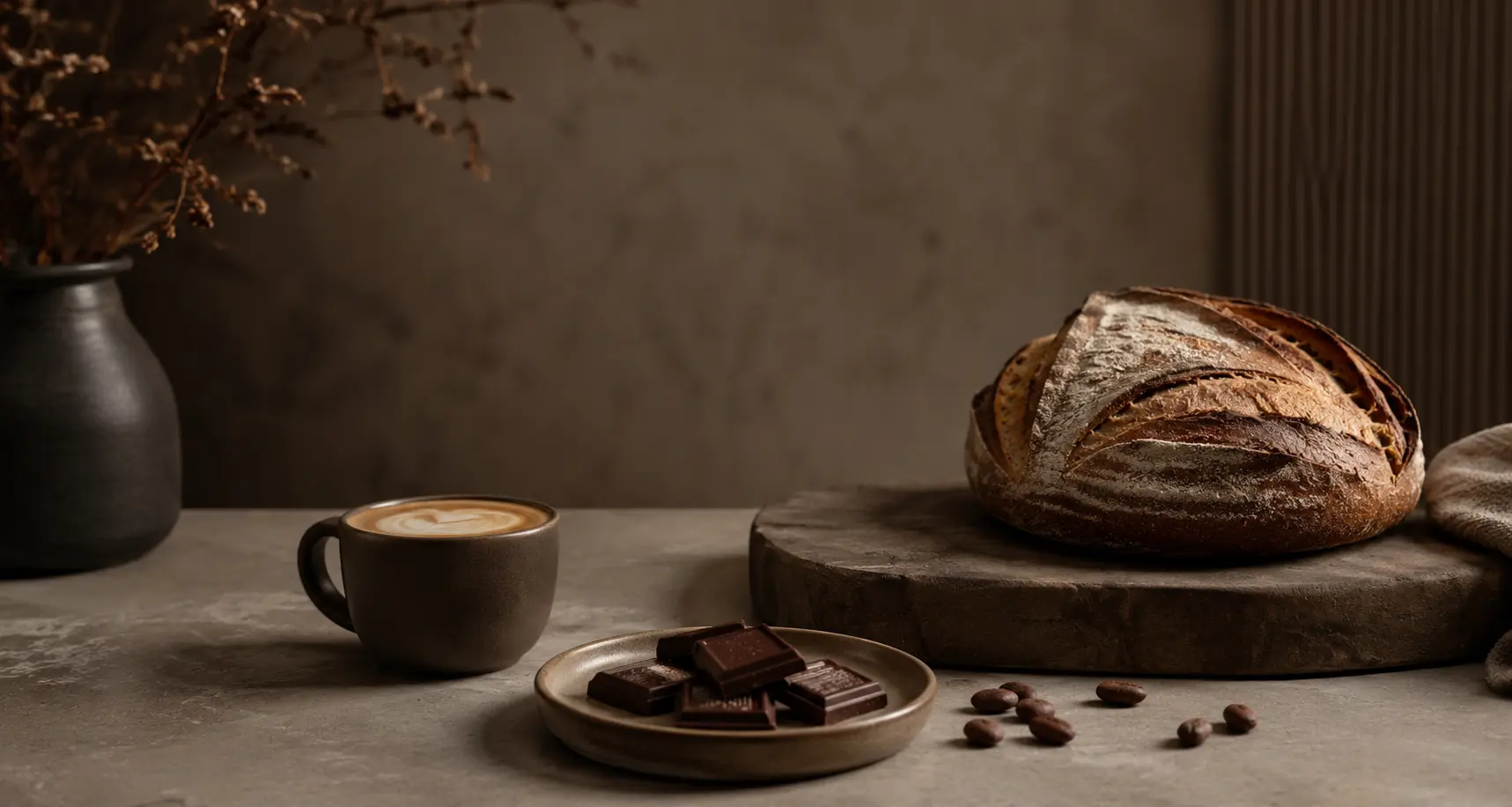
Subko started as a coffee roastery, but calling it "just" a roastery undersells what's actually going on. It's a coffee roaster, a bakehouse, and a bean-to-bar chocolate maker operating under one roof and one design sensibility. Most brands would pick a lane. Subko built three lanes and made them feel like they belonged together, which is a harder trick than it sounds.
Coffee, chocolate, and bread aren't a gimmick here
The instinct is to assume this is a lifestyle-brand move, three trendy categories bundled for Instagram. Sit with it for a minute and the logic holds up. Coffee, chocolate, and bread are all fermentation-and-craft products. They reward the same obsessive attention to sourcing, temperature, and time. A roaster who cares this much about a bean is, unsurprisingly, the same kind of person who cares this much about a levain.
What ties it together isn't marketing, it's temperament. Subko's founders clearly like doing hard, slow things well, and they picked three categories where that shows.
The Microlot Program and Project Pearl
If you want to know why people take Subko seriously as a coffee brand and not just a nice-looking one, look at the Microlot Program. This is where Subko works directly with small, single-estate farms to source beans in limited batches rather than buying blended, anonymous lots.
Project Pearl is the clearest example. It's a single-estate offering that gets treated less like a product SKU and more like a vintage, something you track, compare, and talk about from harvest to harvest. That's unusual in Indian specialty coffee, where single-origin transparency down to the estate level still isn't the norm. Subko publishing that information, and building a whole program around it, tells you where their priorities sit.
For the coffee-curious, this is the entry point worth chasing. Microlot coffee changes batch to batch, so what you're drinking this quarter won't taste identical next quarter — annoying if you find a favorite, but that's the trade-off with anything this close to the farm.
Packaging you don't want to throw away
I'll admit the packaging got me before the coffee did. Subko's bags, boxes, and labels have developed a reputation of their own, to the point where people keep the empty tins around after the coffee's long gone. That's not an accident. The visual language is restrained, considered, a little playful, and it reads as design-first rather than coffee-first at a glance.
But here's the thing: good packaging design usually signals something real about how a brand thinks. A team that sweats typography and tin lids that much is rarely sloppy about what's inside the tin.
A brand built on references, not just roasts
Spend enough time around Subko's world and you start noticing the subculture threads woven through it: design nods, print culture, a kind of quiet nerdiness about craft objects in general. It's less "coffee brand with a logo" and more "a specific aesthetic universe that happens to sell coffee, chocolate, and bread." That's part of why it collects such a devoted following. People aren't just buying beans, they're buying into a point of view.
Where to actually experience it
Online ordering gets you the beans, the chocolate bars, the bread when it's available, and it's a perfectly good way to keep a bag of Project Pearl in rotation at home. But Subko in person is a different experience entirely. Their physical spaces are where the coffee, bakehouse, and chocolate identity actually clicks into place. You see the pour, smell the bread, and understand why these three things live together.
If you're near one of their outposts, go. Order the coffee you'd never pick from a webstore description, because a barista's recommendation in the room beats a product photo every time. If you're not, the online store is a solid substitute. Just don't be surprised if a bag of microlot beans turns into a standing order.
Subko isn't for everyone. It asks you to care about where your coffee came from and to pay a bit more for that story. But if you're the type who already reads the back of the bag before you brew, you'll find a lot to obsess over here.
A quick note on price and expectations
Worth saying plainly: this isn't grocery-aisle coffee, and it isn't priced like it. Microlot beans, small-batch chocolate, and daily-baked bread all cost more to make than their mass-produced equivalents, and Subko doesn't pretend otherwise. If you're coming from instant coffee or a supermarket blend, the first bag will feel like a splurge.
Whether that's worth it depends on what you're actually looking for. If you want caffeine, there are cheaper ways to get it. If you want to taste the difference between one estate's harvest and another's, or you just like knowing the story behind what's in your cup, Subko earns the price difference more consistently than most brands making similar claims. I've had bags from other "specialty" labels that talked a big game about sourcing and tasted indistinguishable from a decent supermarket blend. Subko isn't one of them.
Start small if you're unsure. A single bag of whatever's freshest, rather than a subscription, is the fairest way to decide if the hype matches your own cup.