
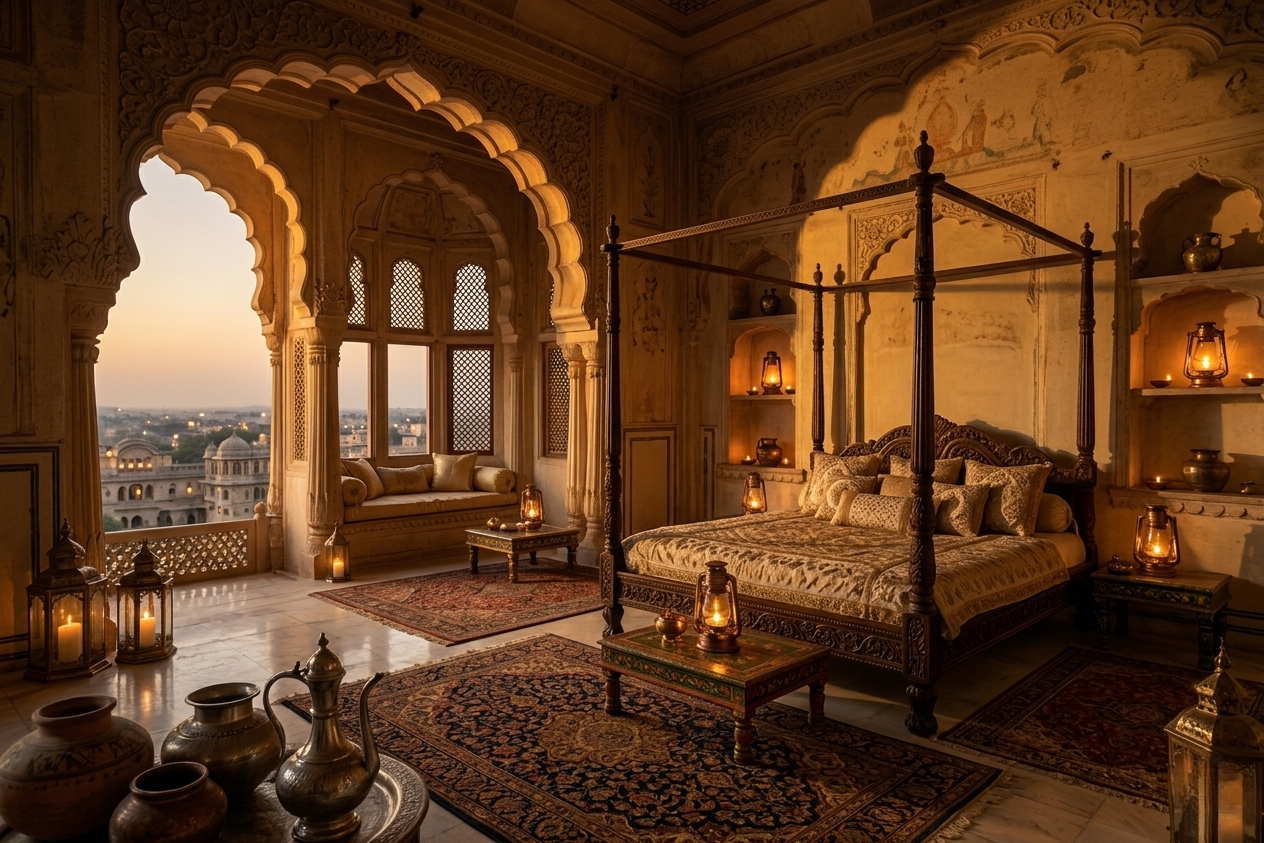
A room tells the truth about its inhabitant with a candour that clothing rarely matches. It speaks of patience or its absence, of genuine knowledge or its simulation, of the willingness to live slowly and choosingly in a world that is increasingly neither. The most beautiful rooms in India today share a quality that resists easy description but is immediately recognisable: they feel curated, in the precise meaning of the word cared for, selected with purpose, assembled over time rather than installed at once.
Luxury interiors India is producing at its finest have shed the signifiers that once defined aspiration the imported marble, the branded furniture, the interior as status display and arrived at something more demanding and more rewarding. Designer home culture now prizes the handwoven rug over the machine-made import, the artisan-thrown vessel over the precision-cast replica, the textile commissioned from a specific weaver over the fabric purchased without provenance.
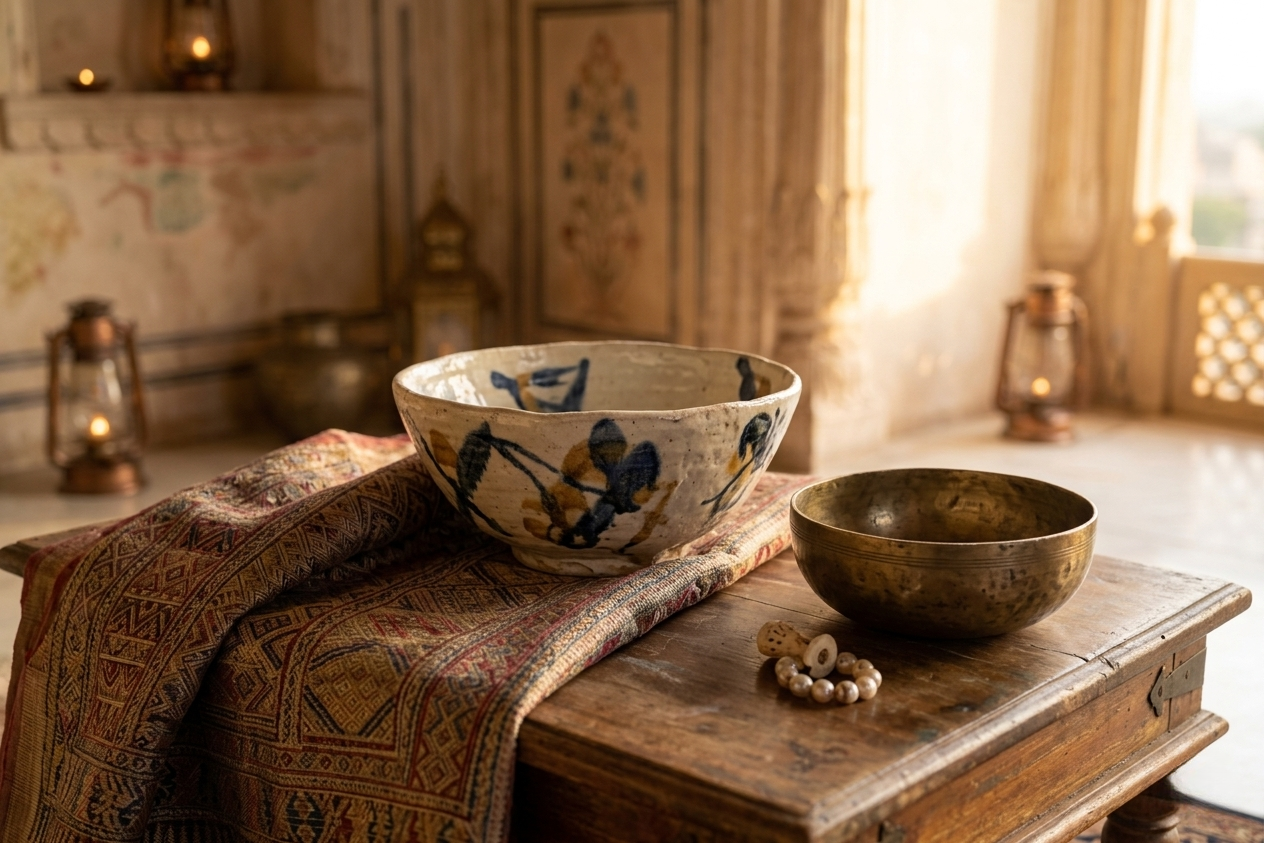
The curated living spaces emerging from this sensibility are distinguished above all by their relationship to Indian craft. A dining table set with handmade stoneware and linen woven in a village atelier is not merely beautiful it is coherent. It reflects a vision of the good life that is rooted in specific places, specific traditions, specific human skills. Modern luxury decor, in this reading, is not a style but a practice: the ongoing exercise of discernment in the service of a life more fully inhabited.
The designers and collectors shaping this movement understand something essential: that premium interiors are not assembled, they are accumulated. A great room is the residue of years of looking, of knowing when to wait and when to commit, of understanding that the object purchased too quickly rarely earns its place. These are rooms that improve with time, that deepen as the stories behind their objects become more intimate.
The most luxurious interior is not the one with the most extraordinary objects it is the one where every object is completely understood and completely loved
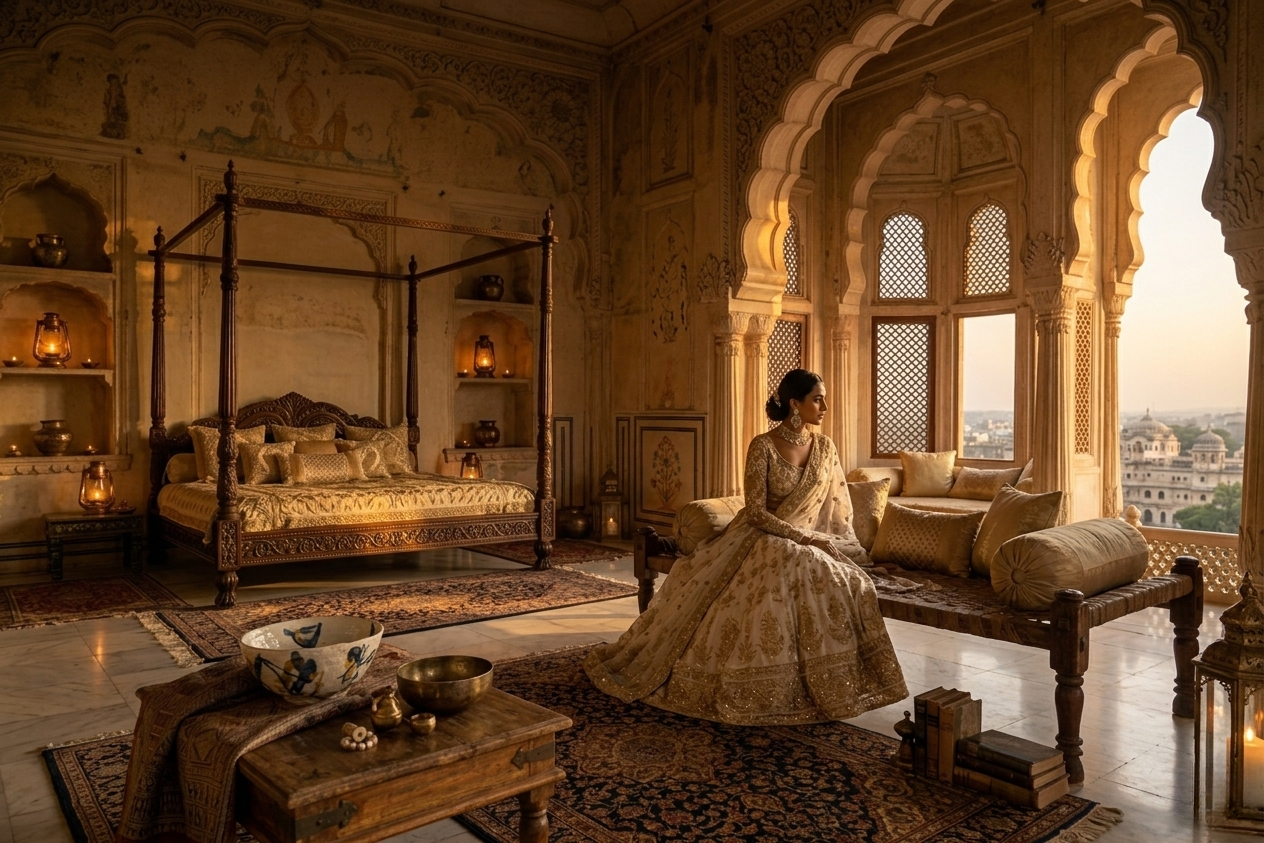
India's luxury interior movement is, at its heart, a philosophy of presence. To curate a home in this spirit is to resist the disposable, to insist on the meaningful, to create a space in which every surface and every object participate in a larger conversation about what it means to live with full attention. In rooms like these, the light always falls perfectly because everything in them has been placed to deserve it.