
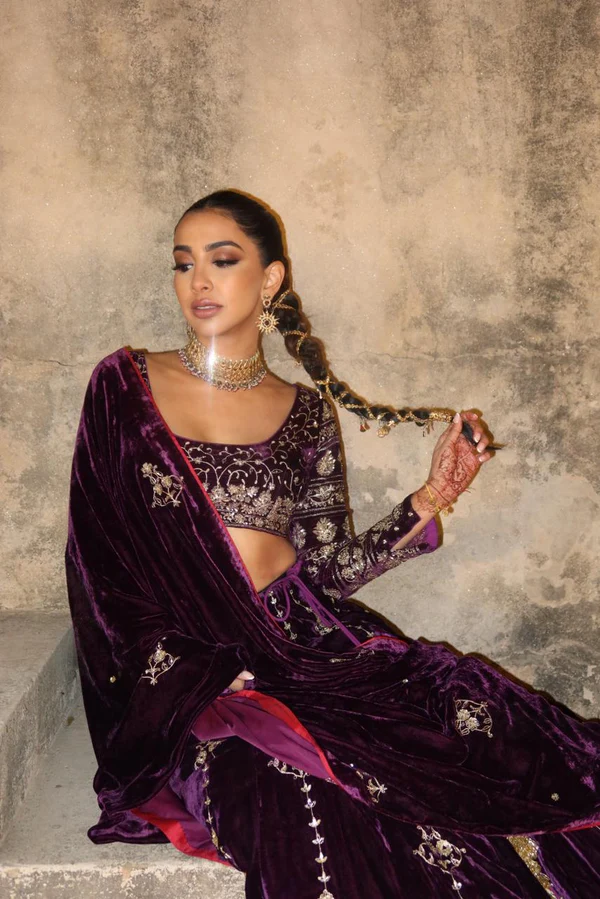
In Rajasthan, dressing is not an exercise in aesthetics alone. The odhna draped over the head and drawn across the shoulder in the Rajasthani manner; the particular embroidery placement on a ghagra that indicates the wearer's community; the choice of colour in a lehenga that at a wedding signals the family's region rather than simply its preference these are legible to anyone raised inside the tradition, the way a sentence is legible to the person who grew up speaking the language. Fashion, in this context, is grammar. It has rules that are not arbitrary. It has a history that the garment carries.
Devnaagri, the Jaipur-based luxury ethnic label, has built its work around the conviction that this grammar is worth preserving and translating not into nostalgia but into contemporary form. The label produces handwoven fabrics, zardozi and gota embellishment, structured ethnic silhouettes that retain the architectural logic of the Rajput court dress while adapting to the contemporary body's requirements. The karigars who execute the embroidery are from communities that have practised these techniques across generations in Rajasthan's craft towns.
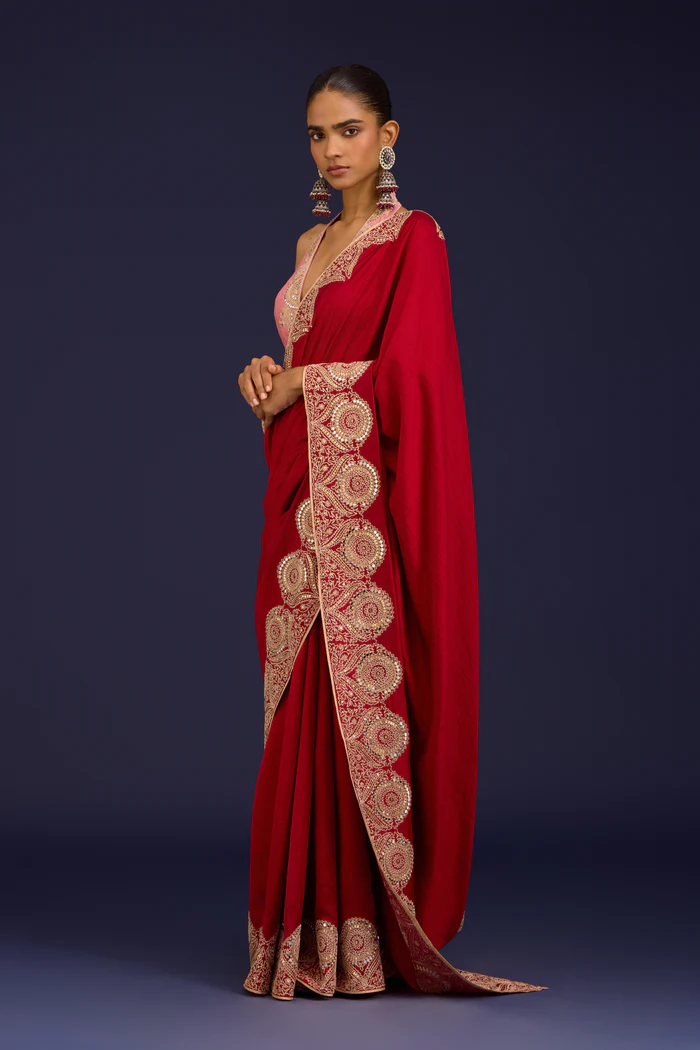
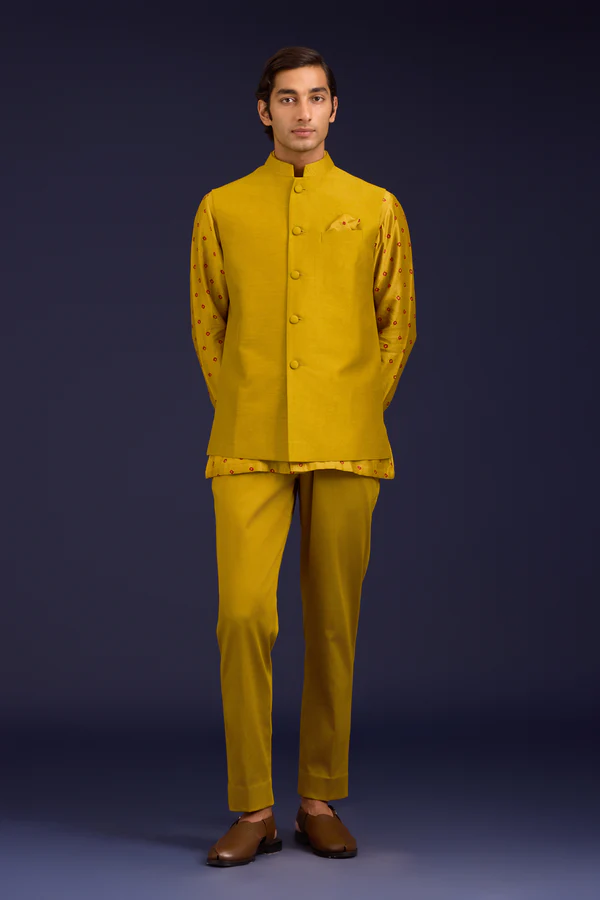
The distinction Devnaagri maintains is between decoration and vocabulary. Decoration can be applied to any surface a motif borrowed from one tradition placed on a garment from another, producing something visually busy and culturally incoherent. Vocabulary requires the garment's surface to carry meaning that is native to it the specific combination of embellishment, colour, and silhouette that belongs to a particular tradition and nowhere else. When a Devnaagri piece is embellished with zardozi, the embellishment is positioned in the proportions that the Rajput court tradition established: heavy at the hem and at the sleeve's edge, lighter at the body, the embellishment framing the silhouette rather than covering it.
The fabrics used are handwoven silk and organza and the heavy tissue silk that the Jaipur trade has been producing for the Rajasthani court market for centuries. The weight of the fabric determines the drape, and the drape determines how the garment moves with the body rather than on it. This is the knowledge that mass-produced fabric, optimised for consistent width and weight, cannot contain: the subtle variation of a handwoven cloth, in which each metre is fractionally different from the last, produces a garment that moves in a way specific to that cloth.
In 2026, as the global conversation about Indian luxury positions handcraft as the defining criterion the difference between something genuinely Indian and something that merely references India
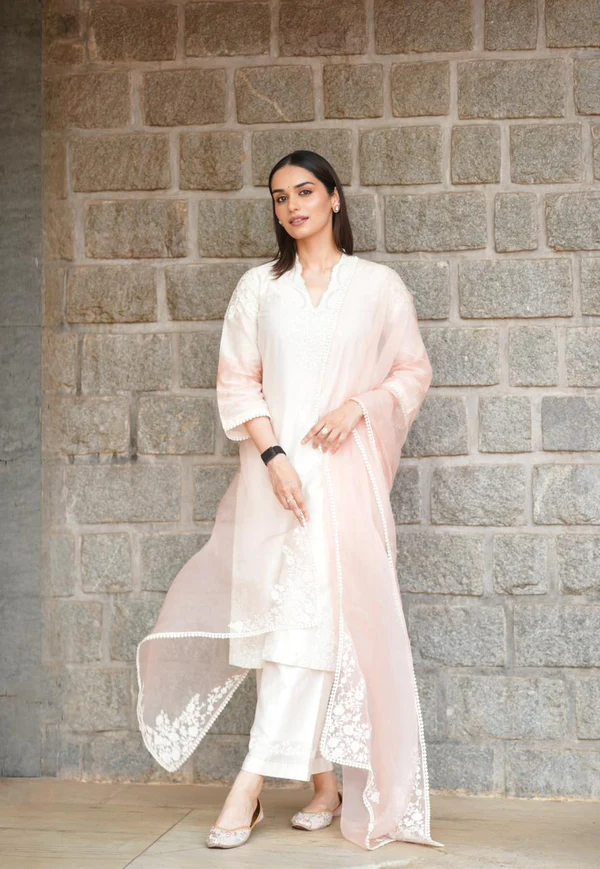
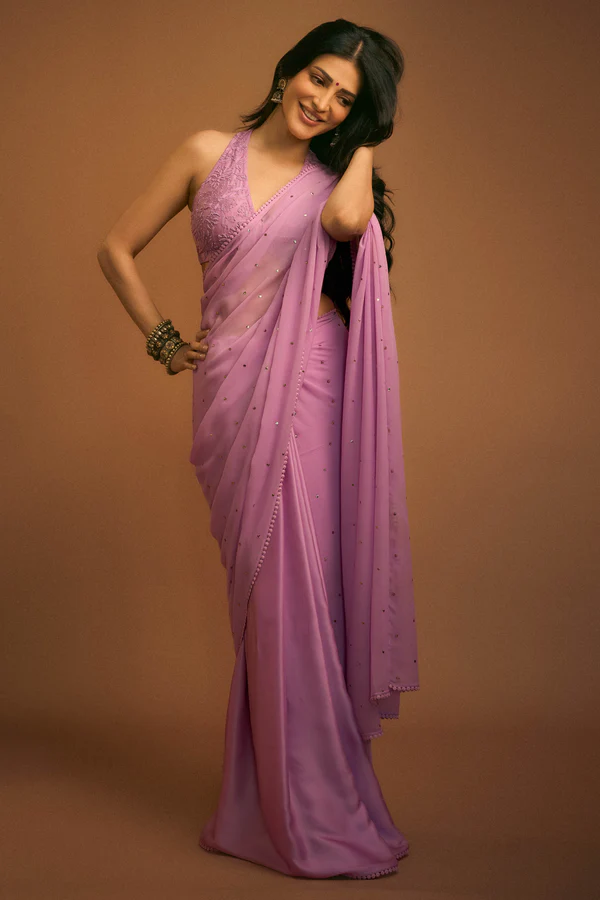
Devnaagri's insistence on authentic embellishment vocabulary carries weight that extends beyond aesthetics. The garment is a position taken: this tradition is worth knowing, worth wearing, worth being precise about.