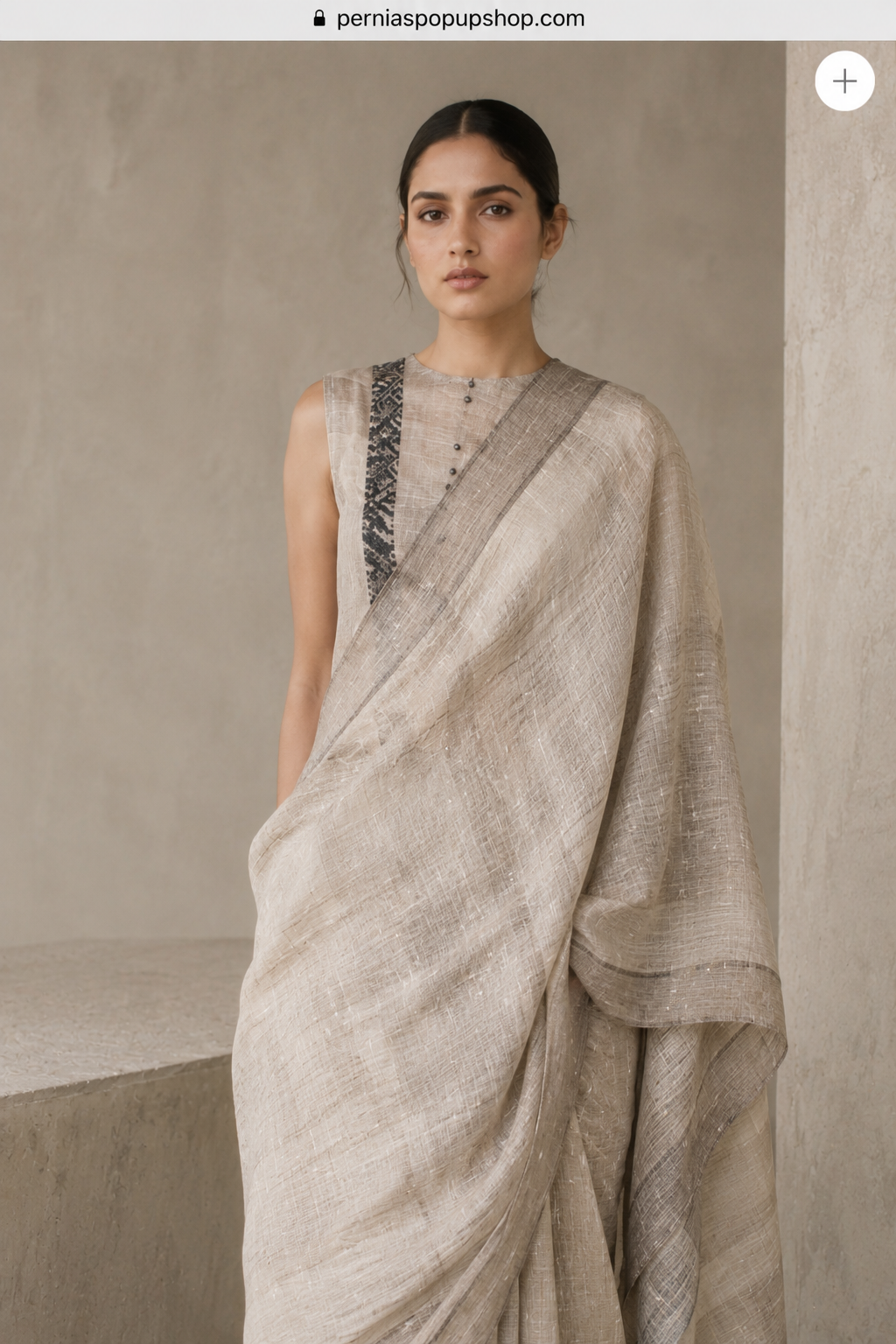
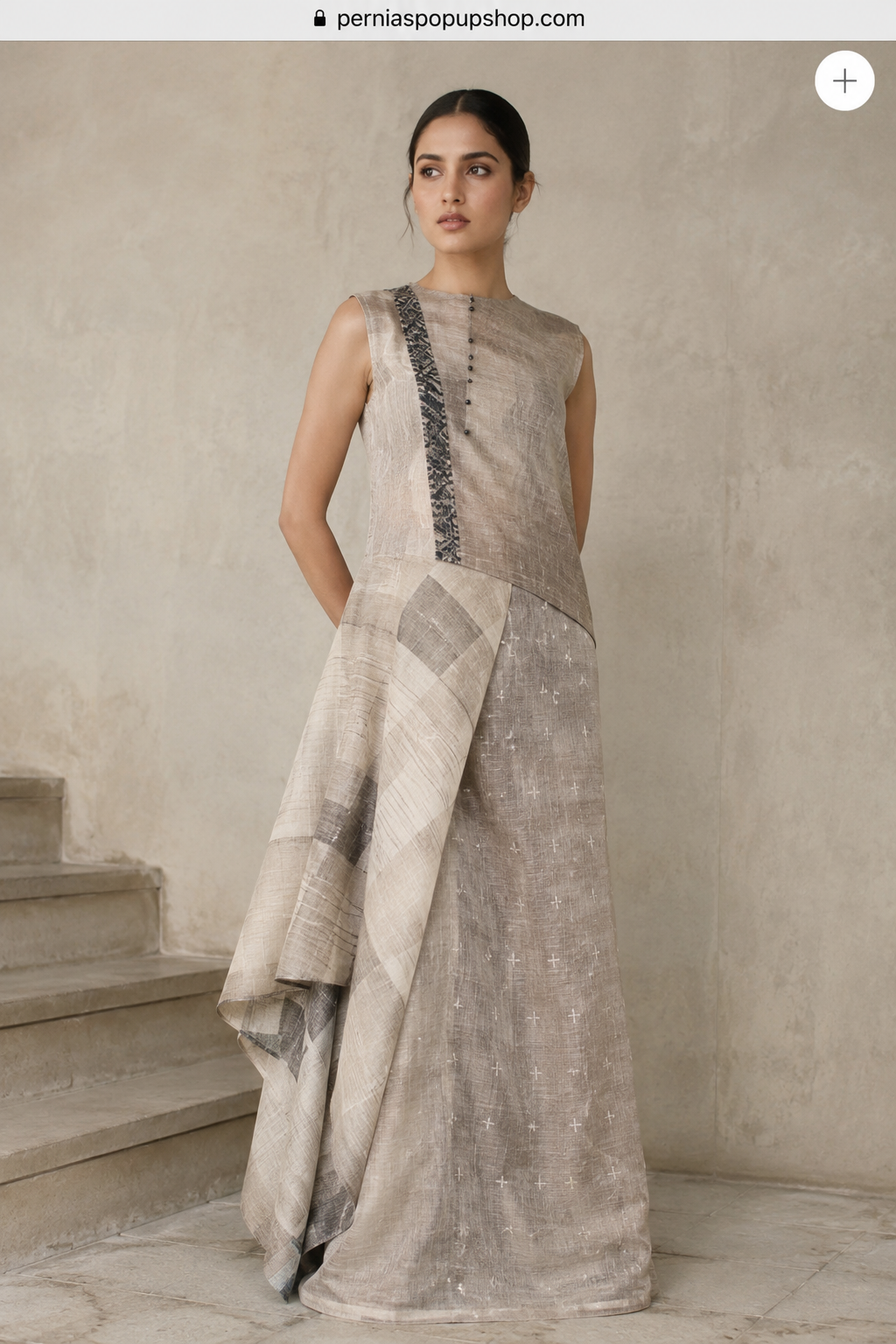
Kiran Uttam Ghosh has been making the case for restraint in Indian fashion since the early 1990s, when such a position required considerably more conviction than it does today. Working from her Kolkata base already a signal of principled independence from India's fashion mainstream she has produced, over three decades, a body of work that rewards the kind of sustained attention that maximalist fashion precludes. Her clothes are not for the impatient. They are for the woman who has arrived.
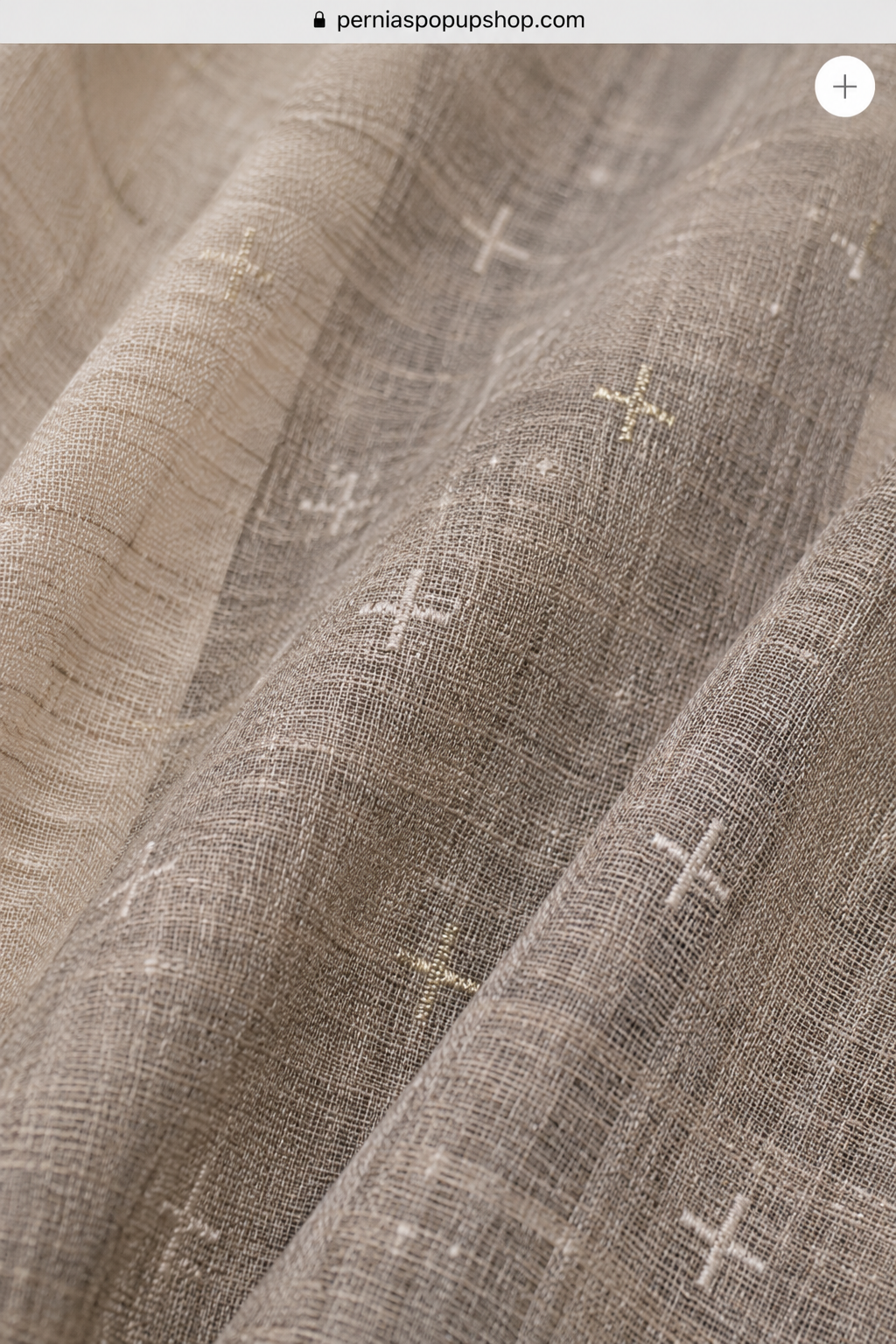
Ghosh's seasonal collections shown at Lakmé Fashion Week with the quiet confidence of a designer secure in her identity operate as variations on a permanent theme: the luxurious plainness of well-chosen fabric in an impeccably cut garment. Sarees in new weave combinations, kurta sets in unexpected proportions, co-ordinates in fabrics that feel genuinely rare these are her signatures. The woman who wears Kiran Uttam Ghosh tends not to need to be told why; she already knows. Her editorial work has appeared in publications that share her aesthetic values, and her brand's longevity rare in Indian fashion is its most eloquent testimonial.
Kiran Uttam Ghosh matters because minimalism in Indian fashion is not a trend or a borrowed aesthetic in her hands it is a sustained philosophical commitment, built over decades, deeply culturally specific, and entirely independent of global fashion's cyclical rediscovery of "quiet luxury." She was here before it had a name.