

The block is lifted from the pad with a practiced tilt not horizontal, which would load too much pigment, but at an angle that catches the carved face evenly across its surface. The printer holds it above the cloth for a moment, reading where the previous impression ends, finding the registration mark by eye. Then the block comes down.
This is hand block printing in the Sanganer tradition: regular, methodical, alive. The carved teak block that produces the pattern was made by a separate craftsman, a kharadiya, who renders the design in wood with a precision that must account for how the textile receives ink differently from how paper does the way the fibres wick colour outward, how the temperature of the day affects the pigment's viscosity.
Bunaai, founded in Jaipur, built its identity around exactly this: the intersection of the traditional block-printing craft and the contemporary woman's wardrobe. The label works with printers from the communities around Sanganer whose families have been producing block-printed cloth for generations supplying first the royal households, then the export market, and now the Indian consumer who is finally asking where her clothes came from.
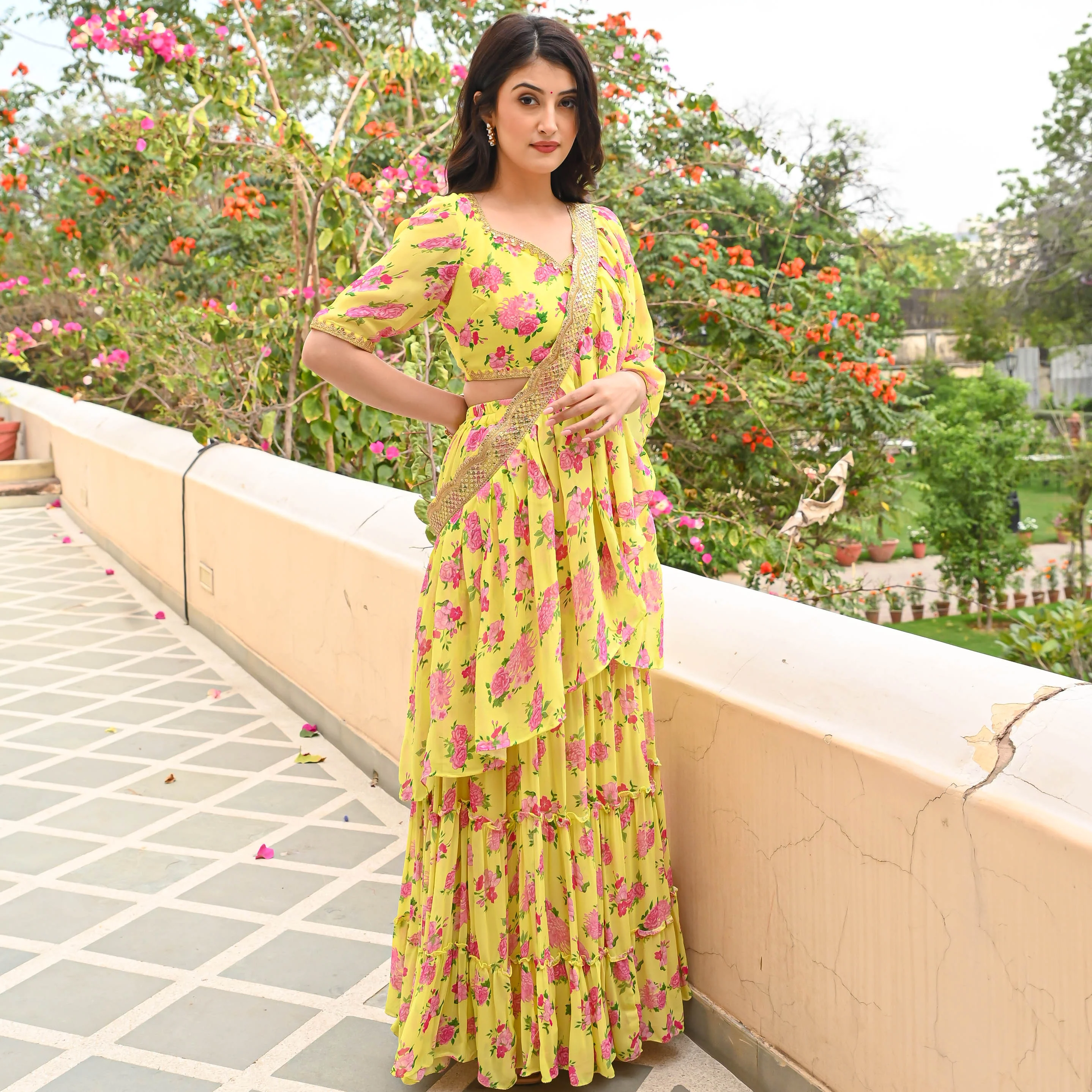
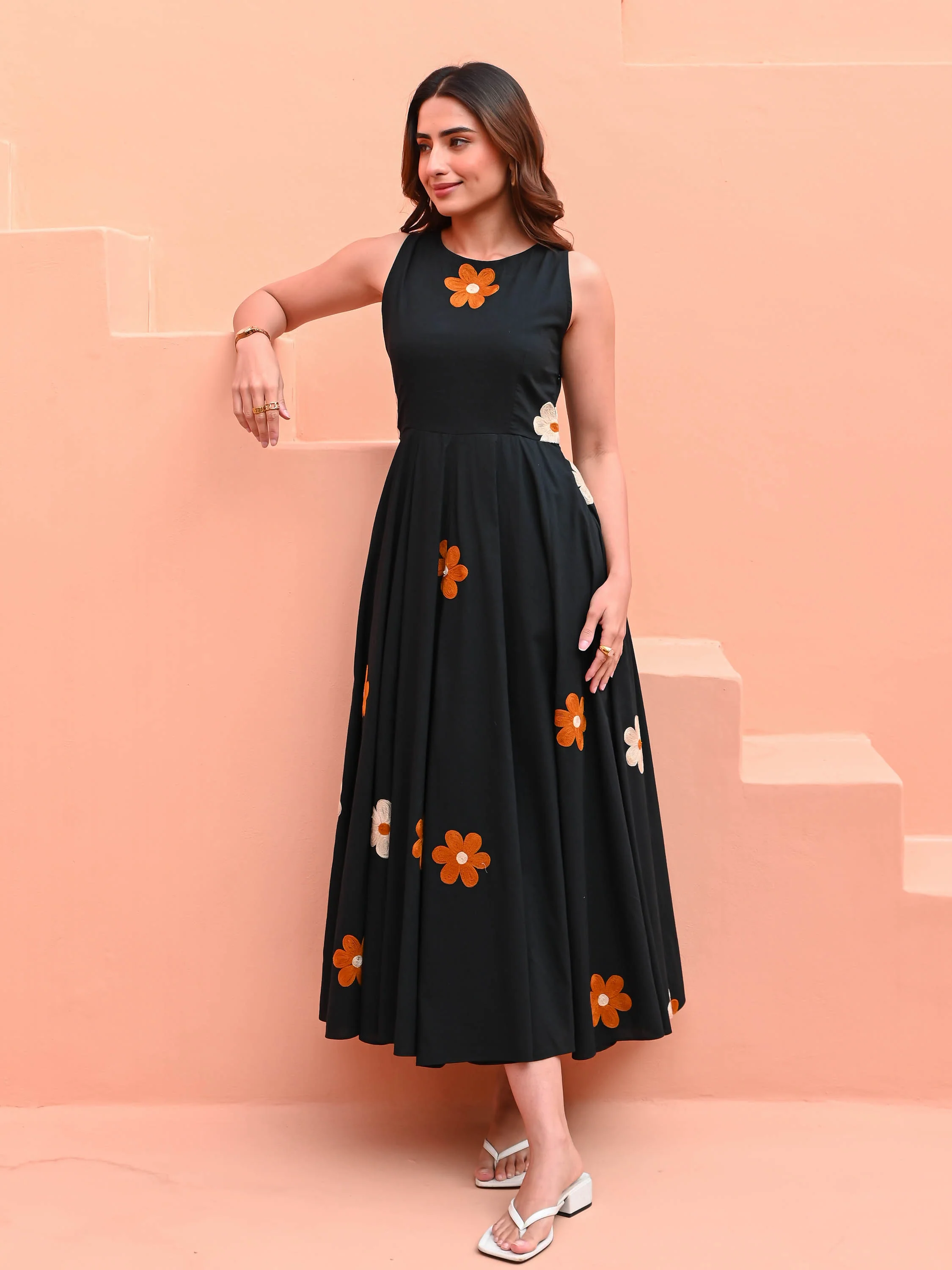

What distinguishes the Bunaai approach is restraint in translation. The temptation, when a heritage craft is repositioned for a contemporary market, is to modernise the motif to simplify the flower, straighten the vine, reduce the pattern to a single element that photographs cleanly. Bunaai has largely resisted this. Their prints carry the complexity of the Rajasthani tradition: dense fills, layered overprinting, the borders that require a separate block and a separate pass around the garment's edge.
The globalfashion conversation in 2026 has reached a point the Indian craft world has been anticipating: consumers are no longer satisfied by a logo as a marker of value. The FDCI's Spring/Summer 2026 showcase documented what designers working in Indian craft have known for longer that a garment which carries a legible story of making is inherently more interesting than one that does not.
A Bunaai kurta worn in a certain light will show the slight variation in impression depth that identifies handwork one corner of a motif fractionally darker than another, the trailing edge of a block stroke where the ink was running low before the next load. These are not flaws. They are the record of the printer's morning.