
The Himalayas have been producing skincare ingredients for thousands of years without knowing that was what they were doing. The altitude, the cold, the UV intensity, the extreme variation between seasons these conditions produce plants with concentrations of active compounds that flatland cultivation cannot replicate. Sea buckthorn grown at 3,500 metres above sea level contains more vitamin C than the same species grown at sea level. Rosehip from high-altitude Himalayan valleys carries a fatty acid profile that clinical trials distinguish from Romanian or Chilean alternatives. The mountain is not romantic. It is chemically specific.
Kavita Khosa founded Purearth to make that specificity available. The brand works with wild-harvested ingredients from Himalayan regions, sourced through relationships with women-run farms and foraging communities that Khosa built over years of direct engagement with the people who live at altitude. This is not supplying chain management as an ethical afterthought. It is the architecture of the brand.
The Sea Buckthorn Cellular Recovery Serum is where Purearth's argument becomes most legible. Sea buckthorn oil from the Himalayas is one of the few plant oils containing omega-7 fatty acids alongside omega-3, 6, and 9 a combination with specific, clinically documented effects on skin barrier function and repair. The serum delivers this in a formulation free of synthetic additives, preserved naturally, and packaged in amber glass that protects the oil's photosensitive compounds from degradation. Every decision in the product is a decision about what the ingredient needs, not what the formula can get away with.
There are brands that invoke the Himalayas as an aesthetic. Purearth invokes them as a source. The difference is legible in the skin's experience
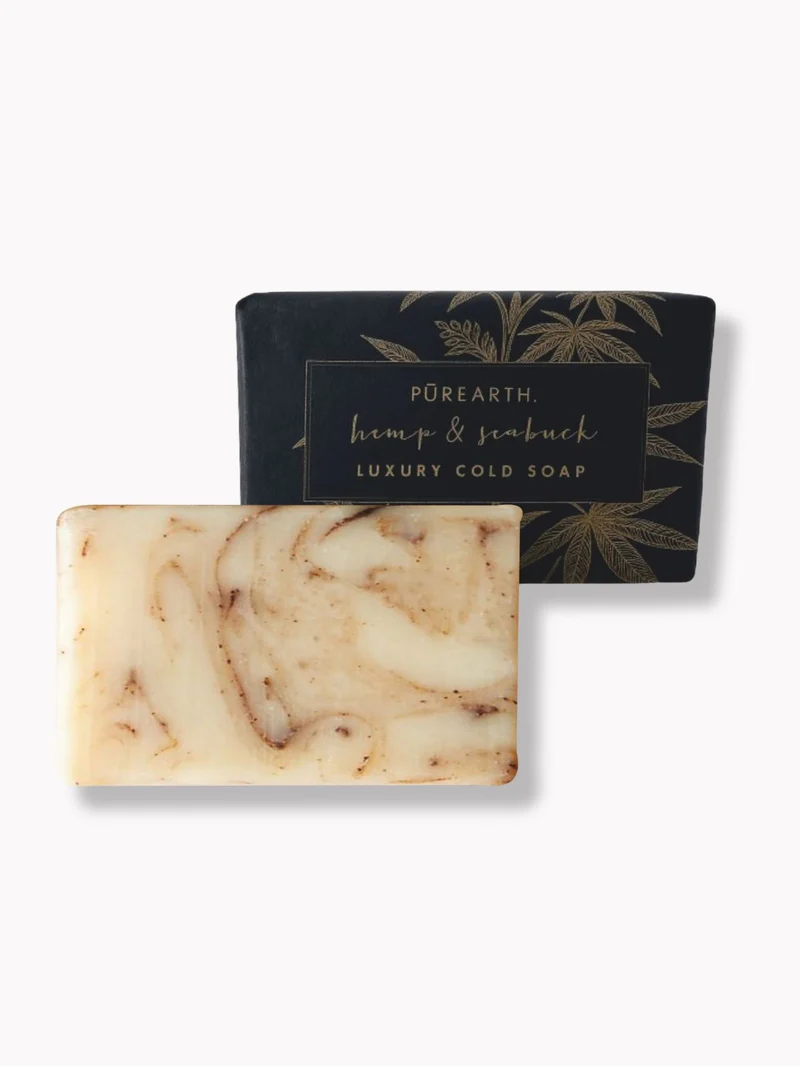
The hemp seed range extends this logic into a category that requires, in India's regulatory environment, a particular kind of courage. Hemp seed oil legal, non-psychoactive, and extraordinarily rich in essential fatty acids is among the most effective dry-skin treatments available from a plant source. Purearth's Hemp Body Butter uses it at concentrations that make the therapeutic action genuinely visible: skin that has spent years being dry begins, over weeks of use, to hold moisture in a way it did not before. This is not cosmetic change. It is metabolic.
The brand's relationship with the women who grow and harvest its ingredients is central to understanding what Purearth is actually selling. The foragers in Himachal Pradesh and Uttarakhand who collect wild rosehip, sea buckthorn, and rhododendron are paid at rates that make the foraging economically viable which means the ecosystems they harvest from are maintained, and the communities that depend on them remain intact. Buying Purearth is an act of trade, conducted with uncommon fairness.
The packaging is minimal, amber, labelled in a way that gives you the ingredient list first and the marketing claim second. This is an unusual approach in a category that typically leads with the promise and buries the chemistry. Purearth leads with the chemistry. The promise follows, quietly and without exaggeration.
There are brands that invoke the Himalayas as an aesthetic. Purearth invokes them as a source. The difference, in the skin's experience of the product, is entirely legible.