
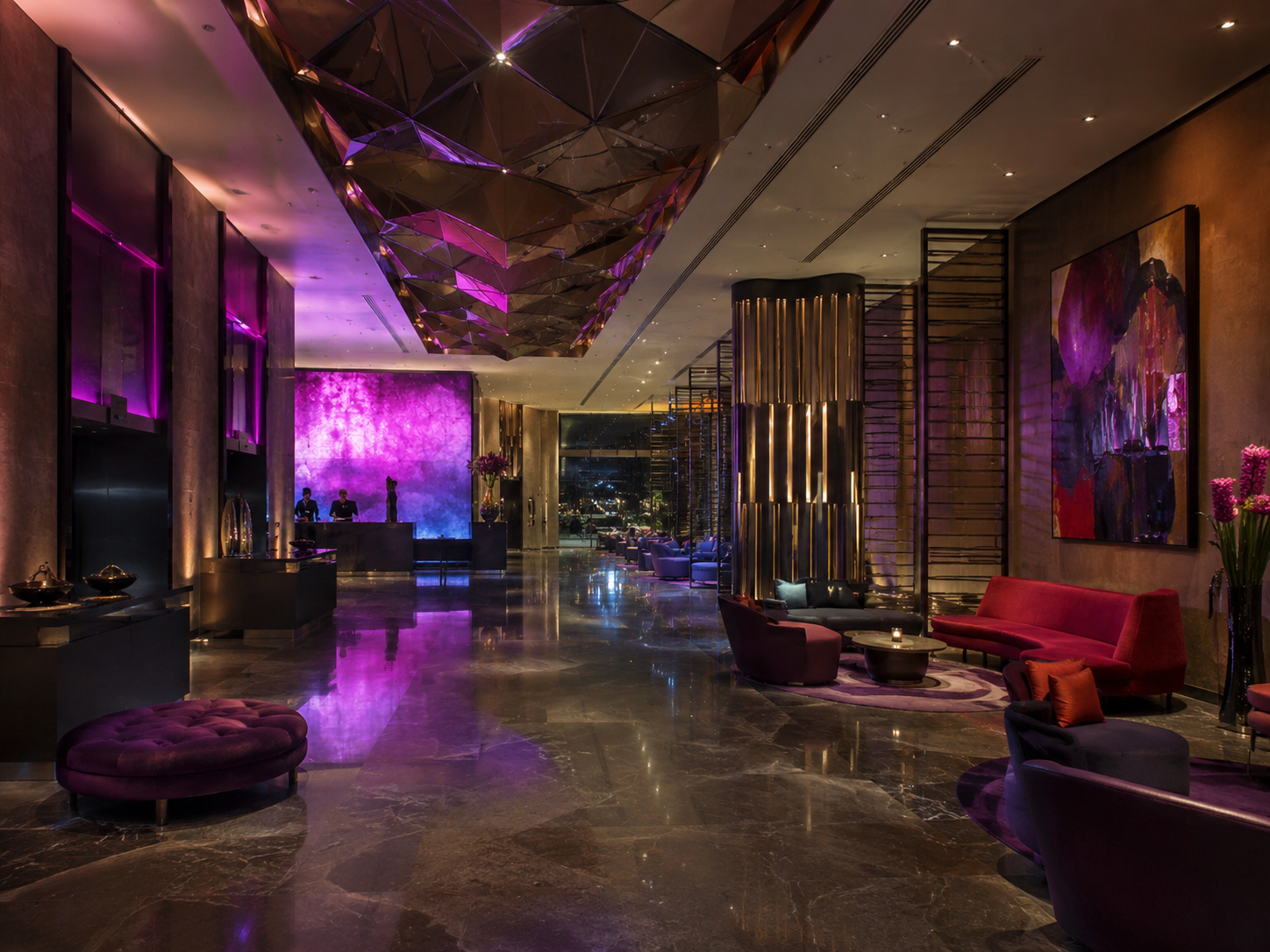
Long before the concept of the design hotel took root as a global hospitality category, The Park Hotels were already doing something unusual in India: treating the hotel as a cultural object. From their earliest properties in Kolkata and Chennai, The Park pursued a vision of hospitality in which architecture, art, food, nightlife, and guest experience were not separate departments but a single, continuous curatorial act. Decades on, that vision occasionally misread as mere stylishness has proven to be a genuine philosophy, and one that speaks with renewed clarity to the urban Indian travellerof today.
The Park Hotels were founded with a commitment to design that went beyond surface aesthetics. Each property was conceived in dialogue with its city its cultural history, its visual language, its social rhythms. In Kolkata, this meant engaging with the city's rich artistic and intellectual heritage; in New Delhi, with its monumental civic scale; in Bengaluru, with the restless creative energy of a city remaking itself. The brand worked with significant architects and designers P.K. Das, Jai Bhagwan, and international collaborators to produce interiors that were genuinely original rather than borrowed from international luxury templates. The result, across the portfolio, is a set of properties that feel unmistakably Indian in their cultural sensibility while remaining sophisticated in their design ambition.
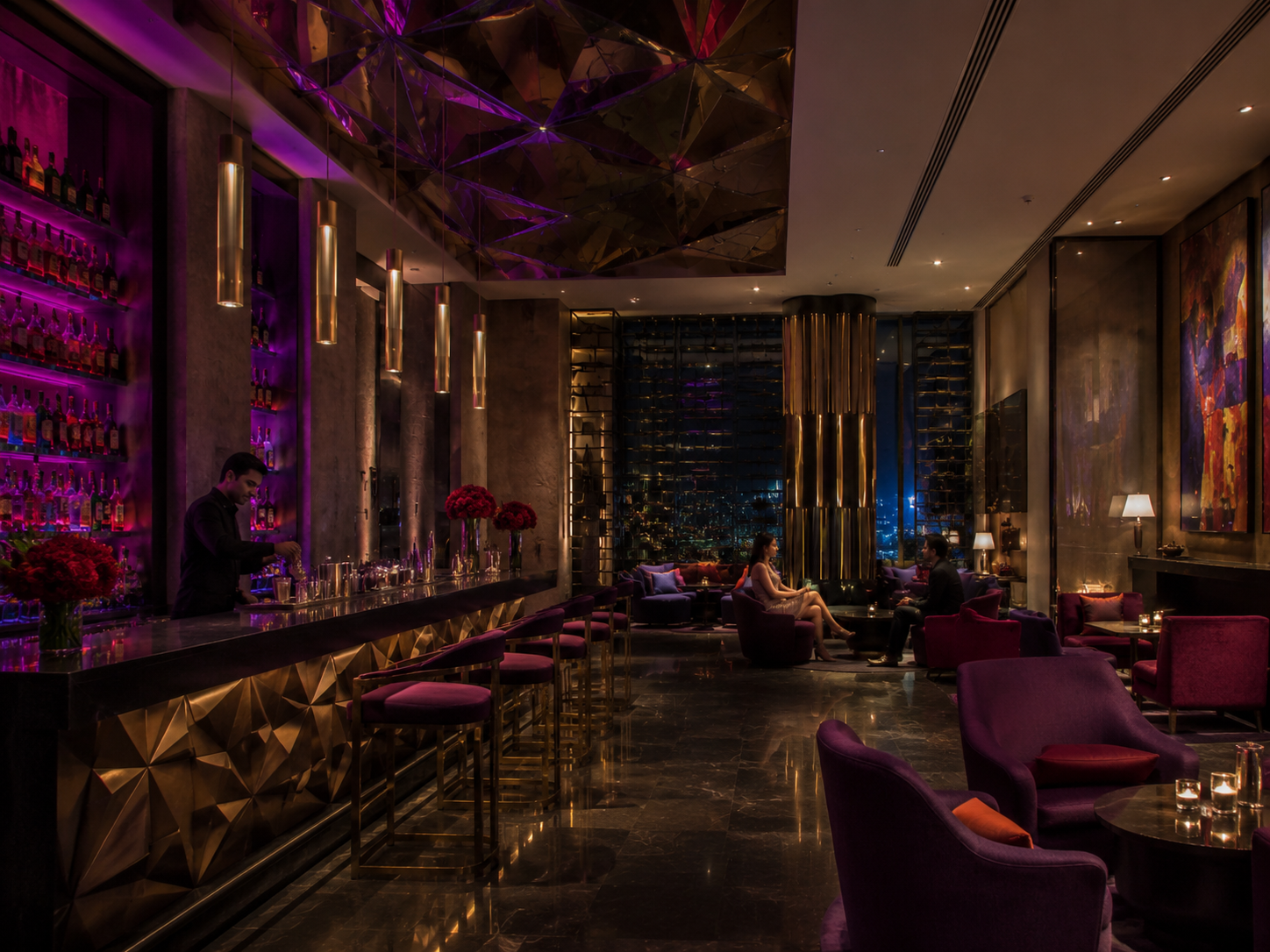
The Park's signature is the quality of its public spaces. The bars and restaurants Someplace Else in Kolkata, 601 in Chennai, Mist in Navi Mumbai function as genuine cultural venues, drawing guests and city residents alike into spaces that feel alive after dark. The accommodation at each property reflects the same design intensity: rooms are considered rather than comfortable-by-default, with lighting, materiality, and art that reward attention. Service at The Park is notably less formal than at comparable luxury brands, shaped by a conviction that the most memorable hospitality comes from genuine engagement rather than choreographed protocol. For the contemporary traveller who wants a city hotel that extends rather than insulates them from the place they've arrived, The Park remains a compelling proposition.
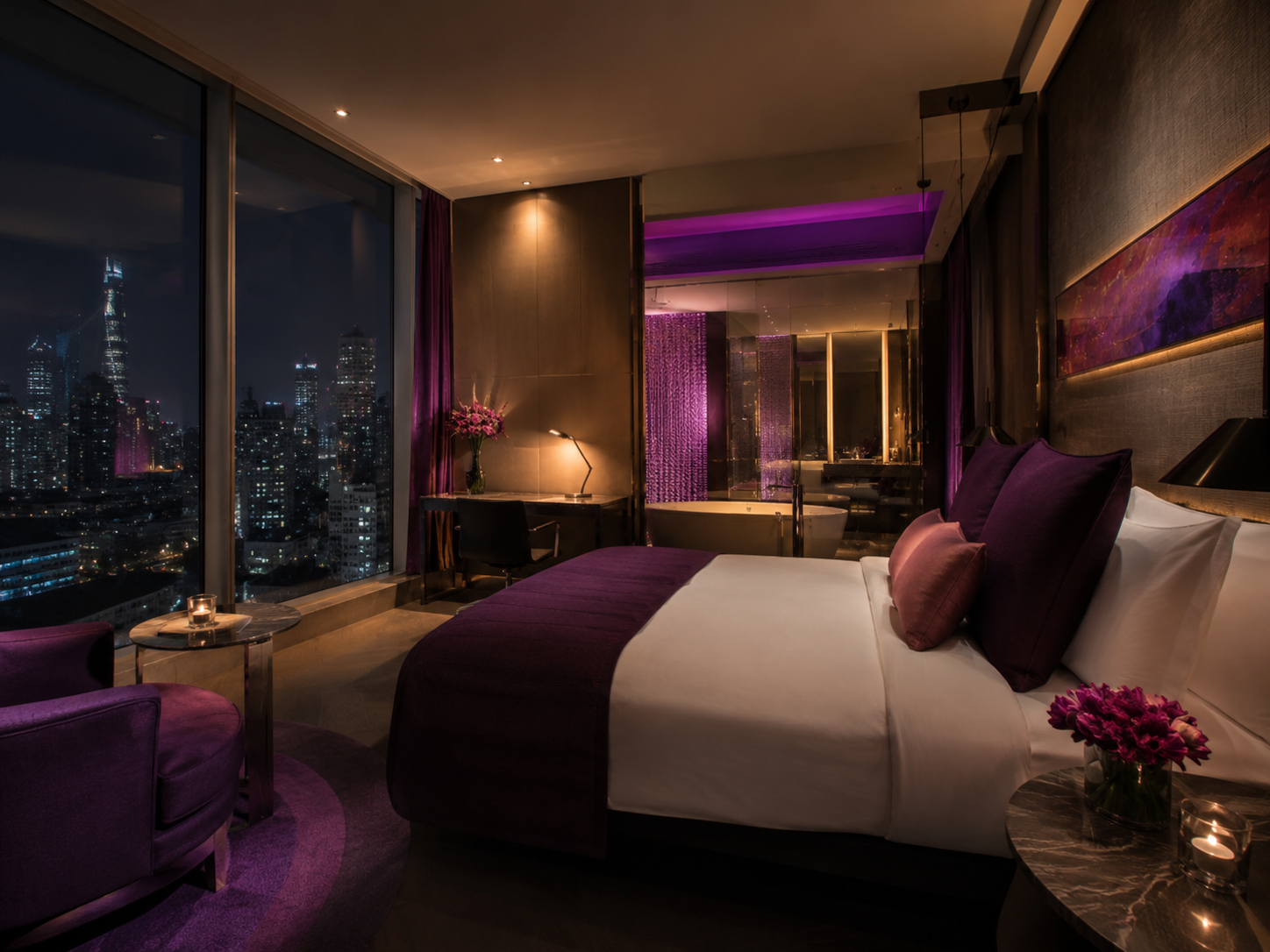
India's urban luxury landscape has grown considerably more sophisticated in the years since The Park pioneered its design-led model, but the brand's relevance has not diminished. If anything, the current appetite for hotels with genuine character properties where design, culture, and a sense of place are inseparable makes The Park's founding instincts look prescient. In the conversation about what Indian luxury hospitality can be, The Park Hotels hold an irreplaceable place.