
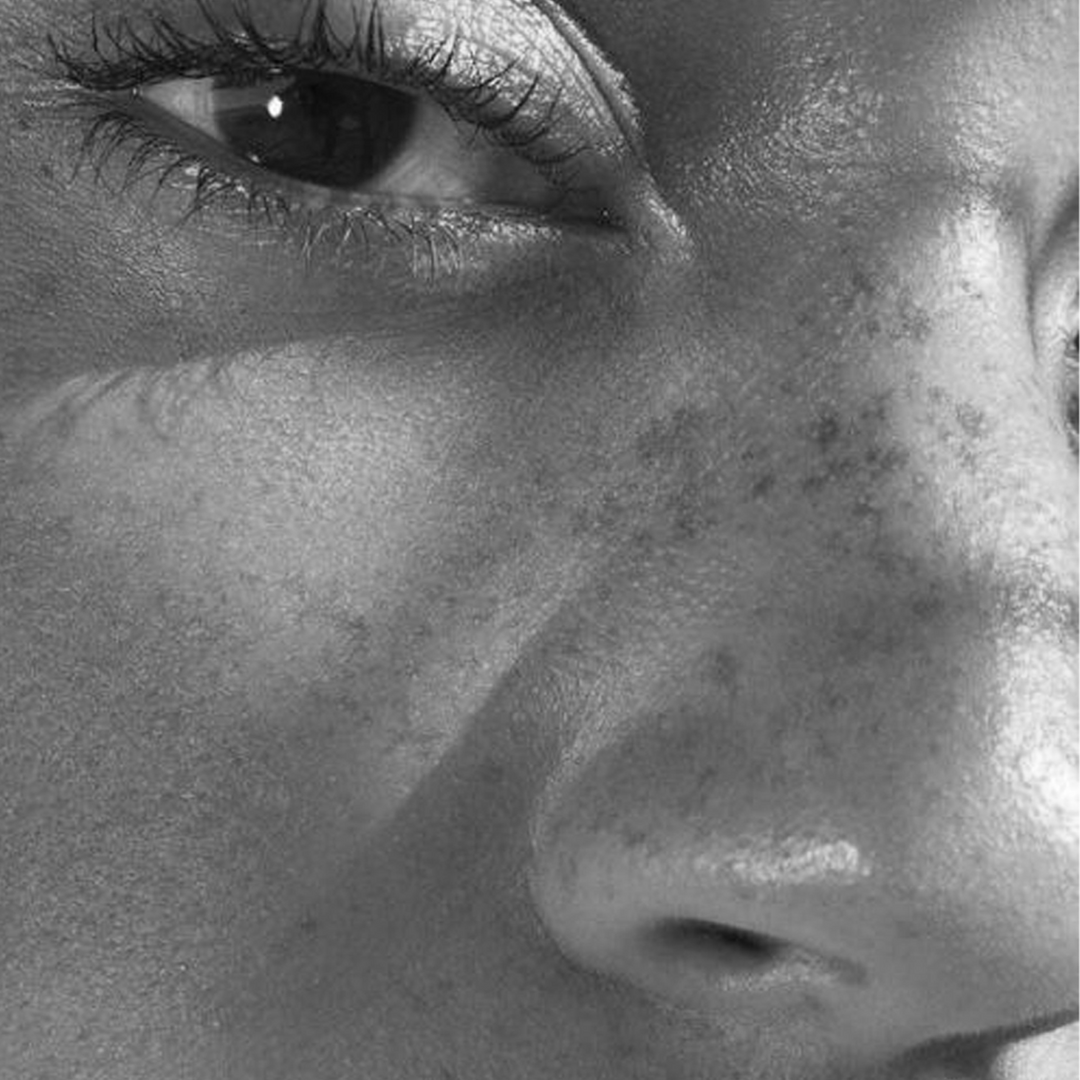
Before the bath, before the water, there is the grinding. The dried herbs sandalwood, turmeric, dried orange peel, neem leaf, chickpea flour are brought together in a stone mortar, each added in the specific order and proportion that the formulation requires. The mortar is not a concession to primitive equipment. It is the correct tool: the stone surface releases heat differently from a bladed grinder, preserving the volatile oils in the herbs that a metal blade, moving at speed, would shear and dissipate. Grinding by hand takes longer. The preparation knows the difference.
The ubtan from the Sanskrit root meaning to rub is one of the oldest preparations in Ayurvedic skin practice, documented in the Charaka Samhita as a daily or weekly ritual for maintaining the skin's integrity. Its function is not the function of the modern exfoliant, which is conceived primarily as a mechanical process: the removal of dead cells by abrasion. The Ayurvedic ubtan operates through both mechanical and chemical means the chickpea flour providing the gentle abrasion, the turmeric contributing its anti-inflammatory and antimicrobial properties, the sandalwood cooling a skin aggravated by heat, the neem addressing the specific bacterial load of skin that has been exposed to a harsh climate.
Ohria Ayurveda's ubtan formulations are prepared using the traditional stone-grinding process, the ingredients sourced from the regions where each herb grows at its most potent turmeric from Lakadong in Meghalaya, where the curcumin content is documented to be significantly higher than commercially traded turmeric; neem from the farms of Rajasthan, where the dry climate concentrates the bitter compounds that give neem its antimicrobial activity; sandalwood from Karnataka, the only region where the red sandalwood tree grows in its native form. These sourcing decisions are not marketing claims. They are the difference between a formulation that performs as the classical texts describe and one that resembles it on a label.
The ubtan is applied to dry skin before the bath mixed at the point of use with a small amount of water, rose water, or milk depending on the formulation, worked into the skin with the palm in circular strokes that follow the direction of hair growth, then rinsed with warm water. The sequence matters: the Ayurvedic skin preparation that follows the oil applied to still-damp skin after the bath meets a surface that has been cleared and activated by the ubtan, and is received more deeply than if applied to an unprepared surface.
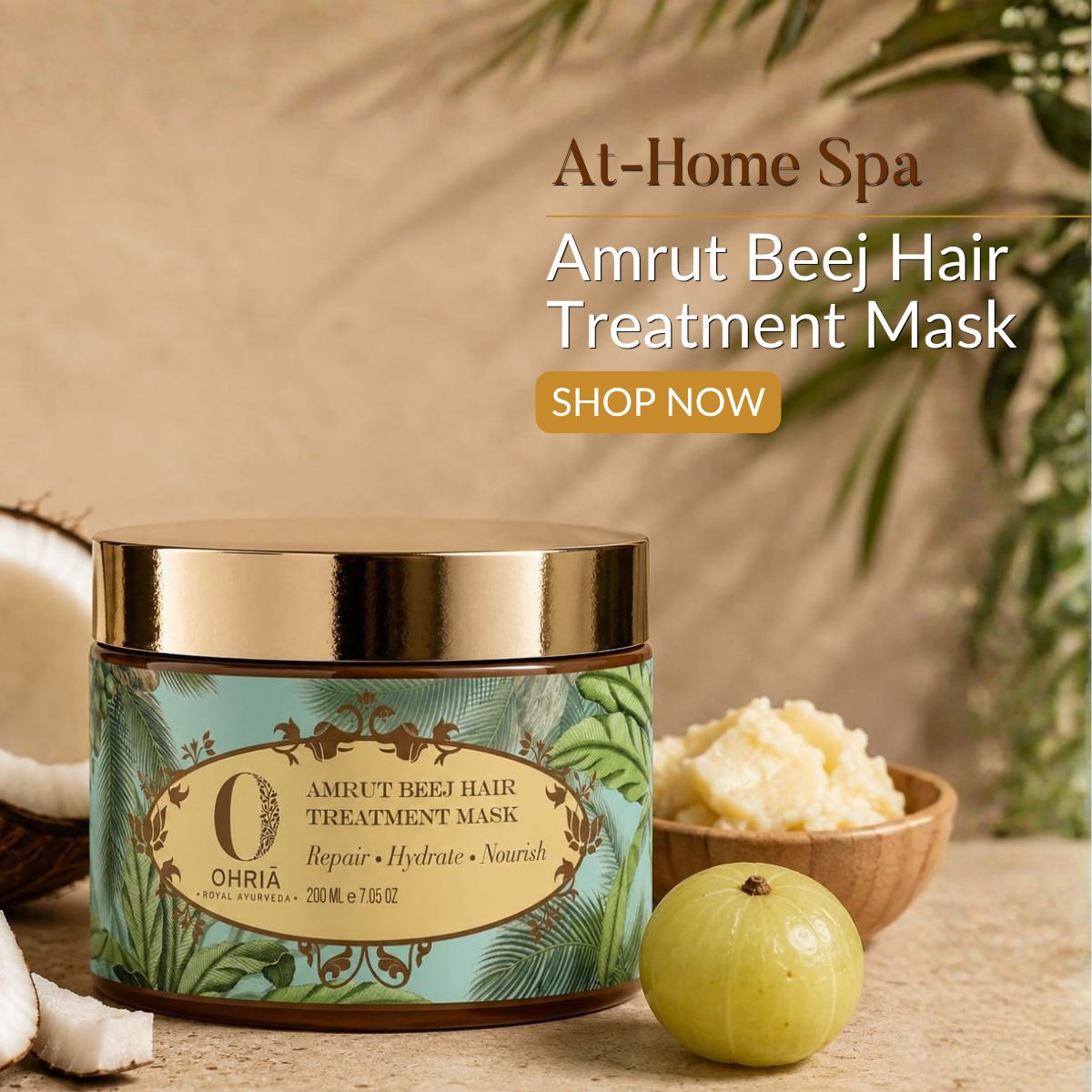
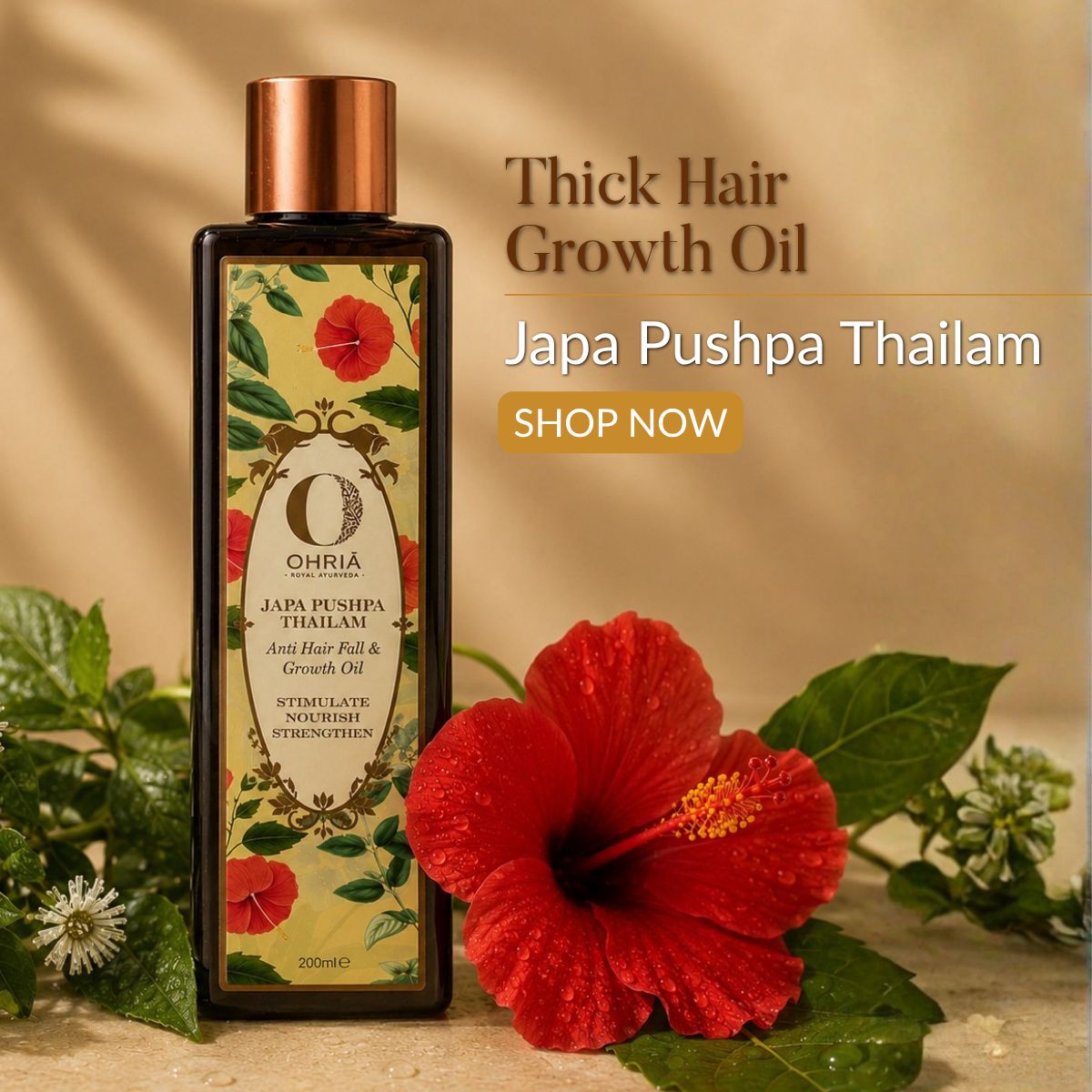
What Ohria has understood is that a skin ritual is a sequence, not a product. Each step prepares the surface for what follows. The grinding began it.
India's position as the world's leading wellness travel destination in 2026 rests in part on this logic: the skin care ritual embedded in daily Ayurvedic practice is not a supplement to wellness but its foundation. The body that is well-attended daily does not arrive at a spa in a state of acute depletion. Ohria understands this distinction the products it makes are not emergency interventions. They are designed to be used on an ordinary morning, as part of an ordinary life, in the correct sequence.