
The mirrors in the diwan-e-khas were not placed for vanity. In a room without electricity, lit by oil lamps whose flames produce a warm, moving light, a surface covered in small convex mirrors does not produce a reflection. It produces illumination. Each mirror fragment catches the flame from a slightly different angle and returns it to the room as a point of light, so that a room with one or two oil lamps appears to be lit by fifty or a hundred. The mirror work was the Rajput court's solution to darkness, a way of multiplying scarce light without multiplying the fuel that produced it. It was practical first and beautiful second, which is perhaps why it is so completely beautiful.
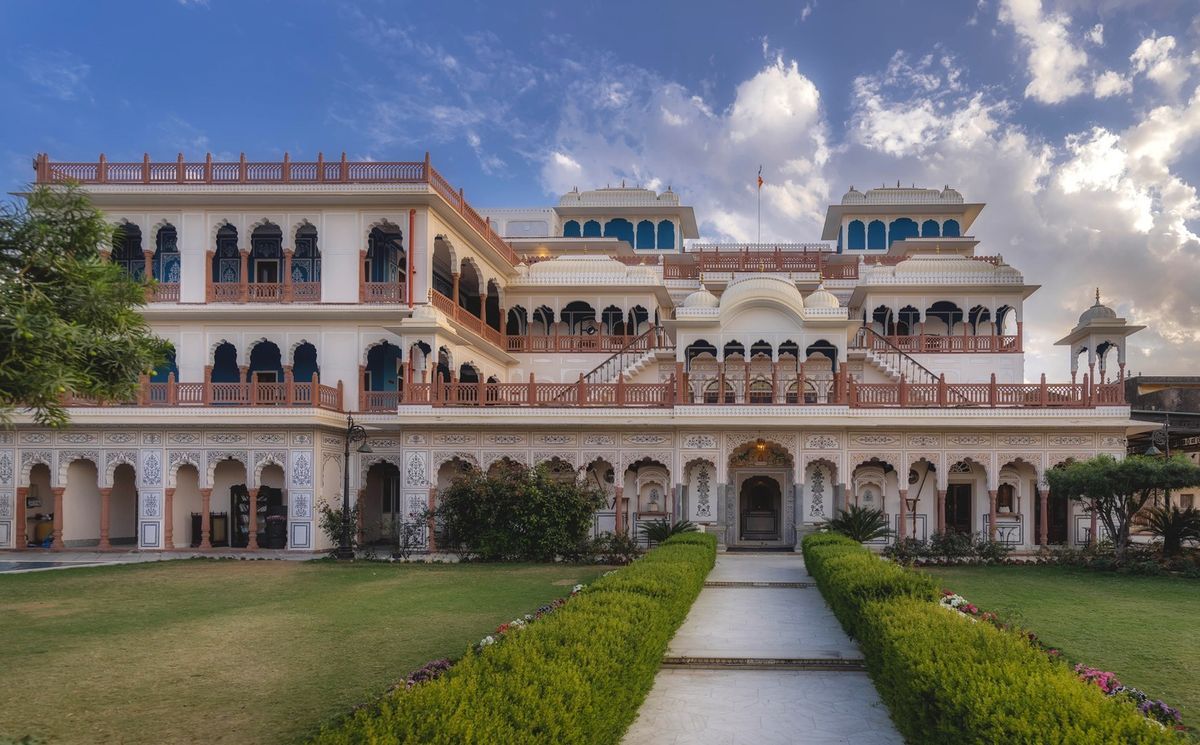
Rasa by Shahpura, the Jaipur hotel that occupies a restored haveli in the city's Shahpura neighbourhood, has made this logic the organising principle of its interiors. The mirror work shisha, the traditional technique of embedding small convex glass pieces in lime plaster appears in the public rooms, the corridors, the more formally decorated guest suites. It was installed by craftsmen trained in the Jaipur mirror work tradition, working from the same material logic as the original installations: small pieces, individually set, each at a slightly different angle to the wall's surface so that its reflection is not redundant with its neighbours'.
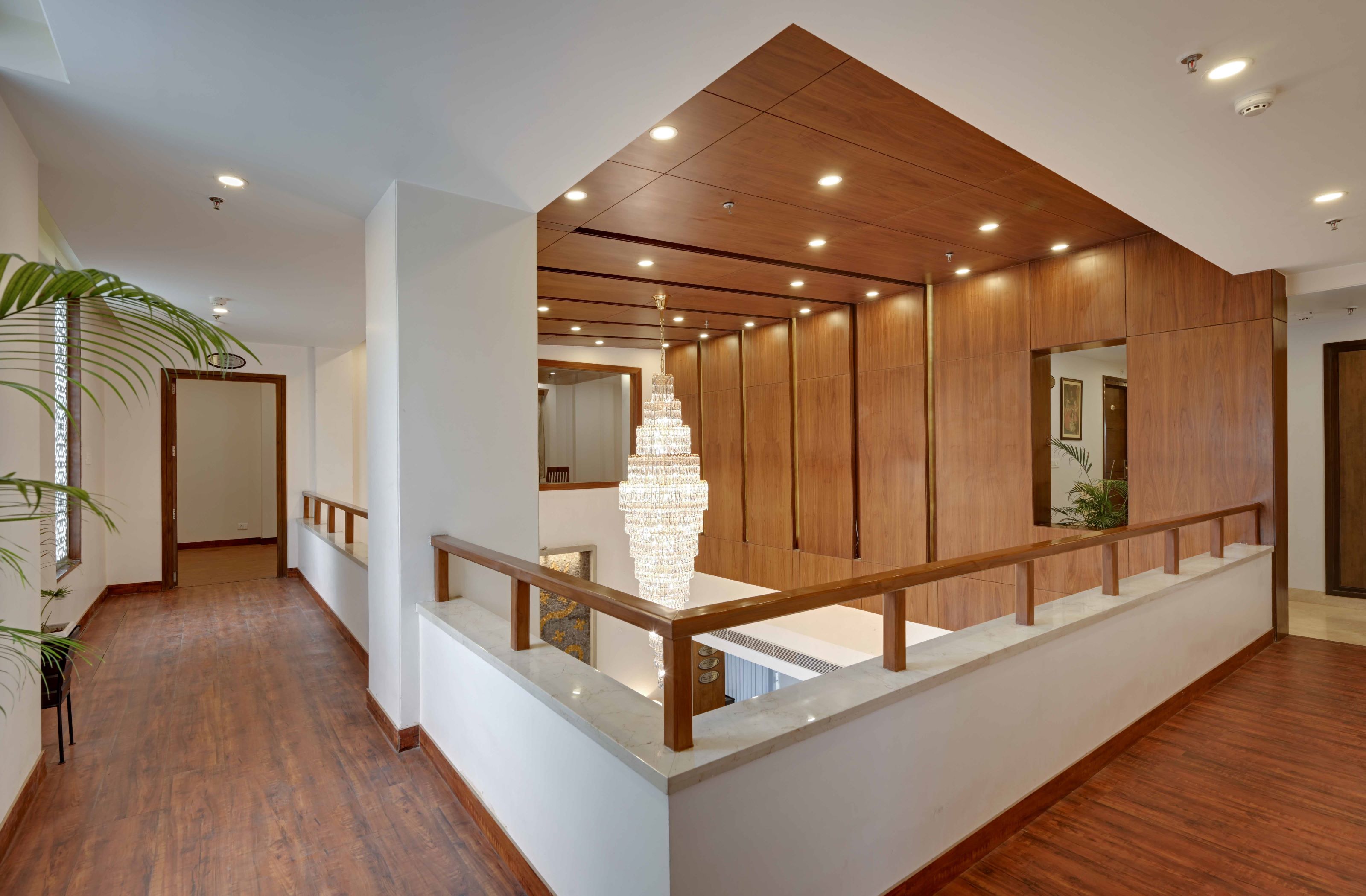
The restoration of a haveli that has been inhabited for well over a century requires decisions at every level: which walls to preserve, which surfaces to repair and which to replace, which craft traditions to call on and which contemporary materials to allow. The approach at Rasa has been to prioritise continuity of craft the mirror work uses the same glass composition and setting technique as the original; the fresco painting in the courtyard was executed by painters trained in the Jaipur fresco tradition; the hand-blocked textiles in the rooms were printed in Sanganer.
The result is a building that does not feel restored. It feels continuous as if the craftsmen who built it have simply continued their work into the present without interruption. This continuity is the quality that the managed luxury hotel, starting from an empty site and specifying materials from a catalogue, cannot produce. It requires an original object, and the patience to maintain its original logic rather than replace it with something easier.
In a room full of mirrors at candlelight, the light comes from everywhere.
The guest who stays at Rasa by Shahpura and notices the mirror work notices something specific: the mirrors are not flat. They are slightly convex the traditional form, which produces a wider angle of light return than a flat surface, casting illumination across a broader area of the room. This is not aesthetic choice. It is the technical knowledge of a craftsperson who understood what mirror work is for, and made it accordingly. The craft embedded in the surface of the room is still doing the work it was designed to do.