
There is a weight to handwoven cloth that synthetic fabric simply cannot replicate not just in the hand, but in the imagination. When you hold a length of hand-block printed cotton, you are touching the residue of someone's time, someone's skill, someone's cultural inheritance passed down through generations of unspoken transmission. This is what clothing, at its highest expression, actually is.
John Bissell arrived in India in 1958 as a Ford Foundation consultant and fell irreversibly in love with the country's handcraft tradition. By 1960, he had founded Fabindia initially as an export business connecting rural Indian artisans to international markets. Today, the brand employs over 55,000 artisans across India, making it one of the largest platforms for the country's traditional craft ecosystem. Fabindia did not merely sell Indian clothing. It created an economic argument for why it should continue to exist.
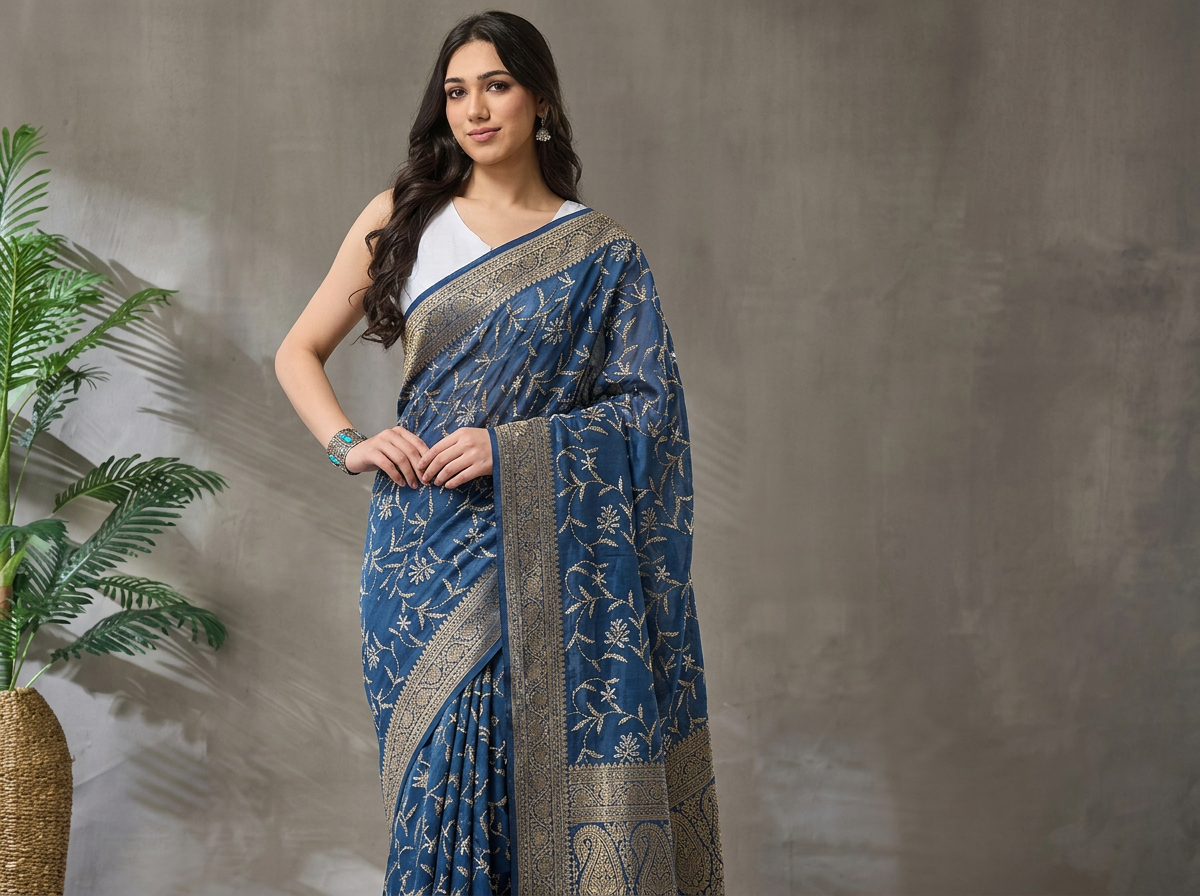
The Fabindia Cotton Silk Saree in Indigo & Gold is a study in restraint as grandeur. The hand-block print applied by craftspeople in Rajasthan using carved wooden blocks dipped in natural dye creates a pattern that carries within it the imprecision of the human hand: a slight bleed at a corner, an almost-invisible variation in spacing. These are not flaws. They are the evidence of authorship.
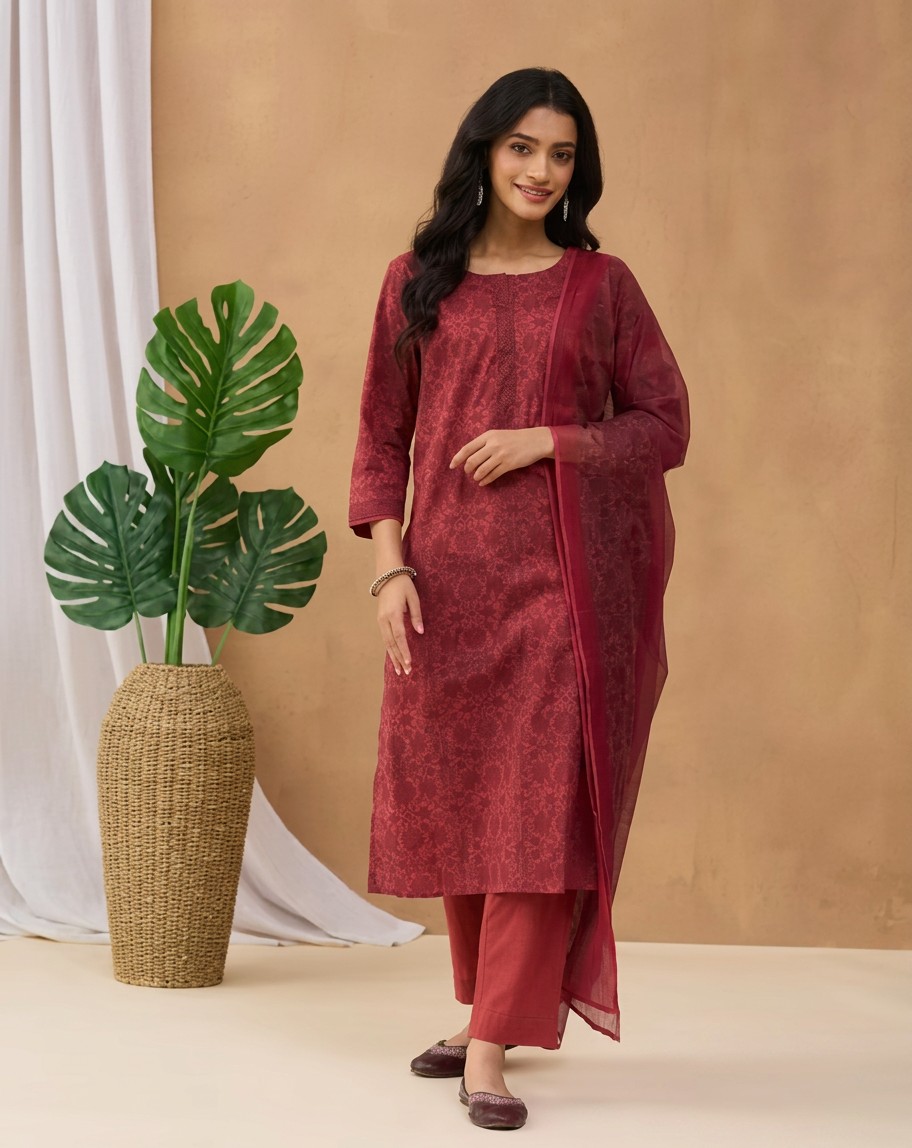
Fabindia Mul Cotton Kurta Set
For daily wear that carries the same ethical weight with lighter ceremony, the Fabindia Mul Cotton Kurta Set offers conscious dressing in its most comfortable form. Mul cotton woven on traditional handlooms breathes with the kind of intelligence that manufactured fabric can only approximate. Worn with ease, it arrives as effortless as it is considered.
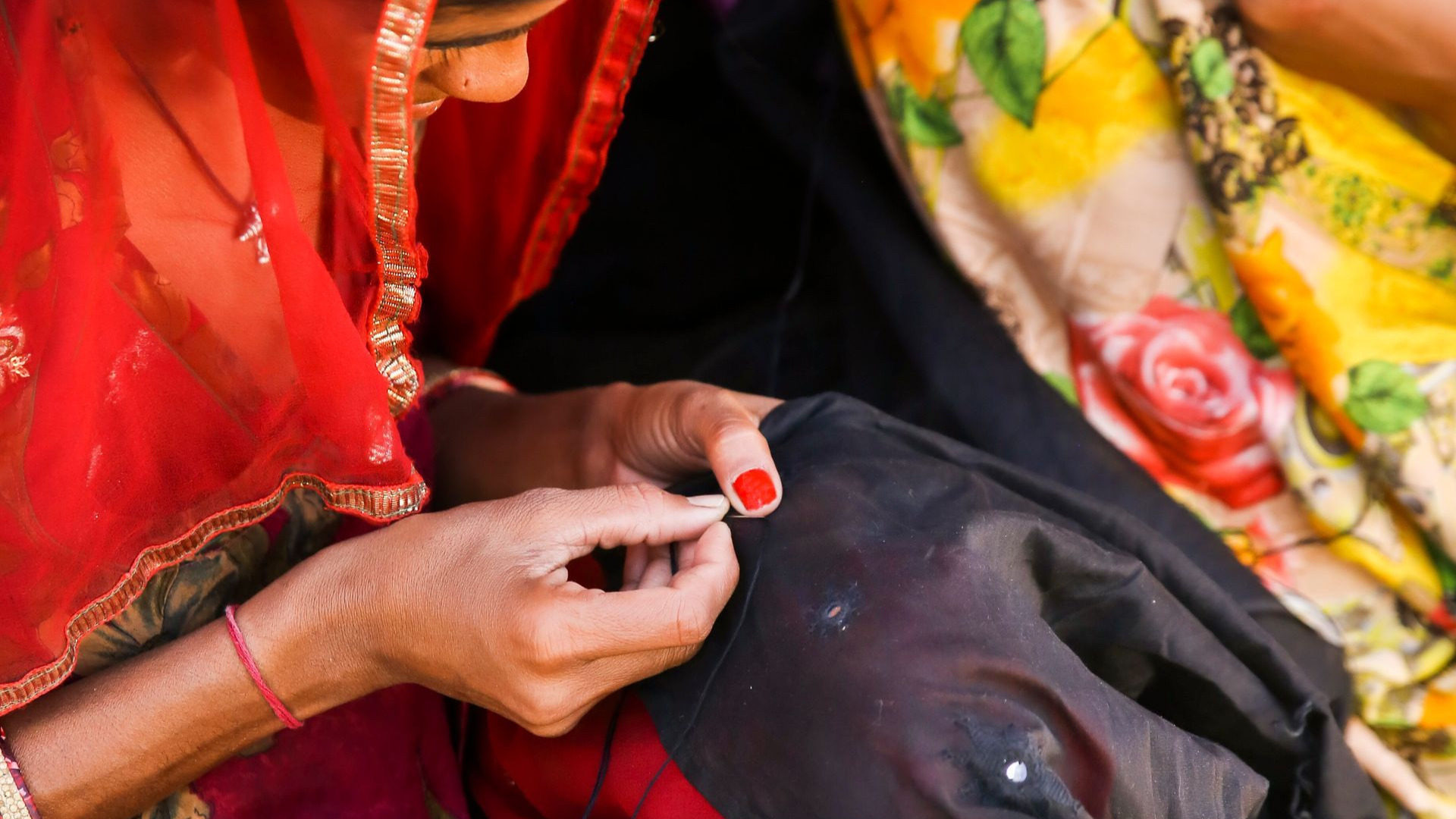
Handcrafted Indian clothing is not a category. It is the original luxury
In an era when the fashion industry's environmental cost is impossible to ignore, the Fabindia model local sourcing, artisan empowerment, natural fibres, no fast cycles read not as nostalgia but as the blueprint that should have been followed all along. The saree, reimagined through this lens, is not simply a garment. It is a position.