
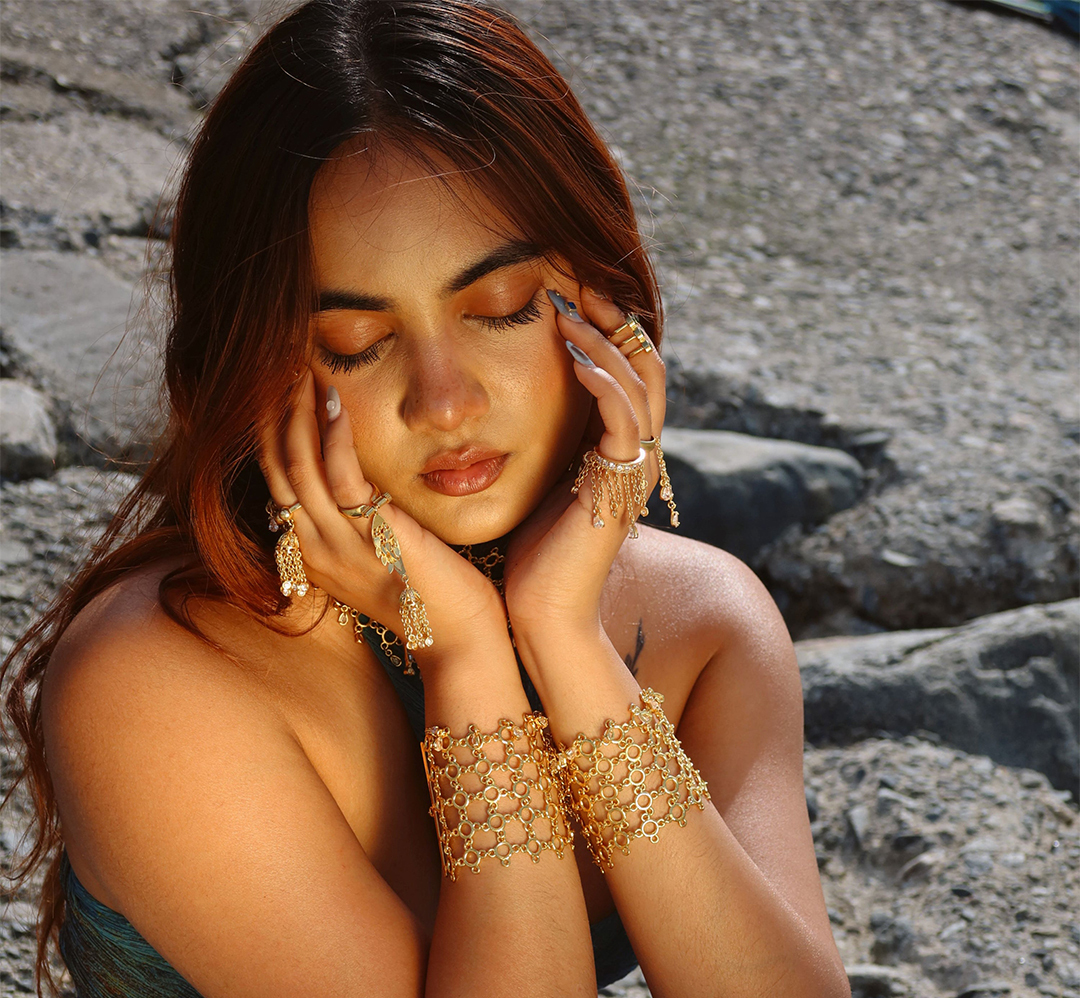
Statement jewellery is the piece a room notices before it notices your outfit. It's not an accessory you add at the end, it's the decision you build the rest of the look around, and the occasions that call for it range from a Tuesday dinner to a wedding you're not even the bride at. Get the pairing right and one piece does more work than an entire outfit change.
Statement jewellery is defined by scale and intent, not just price
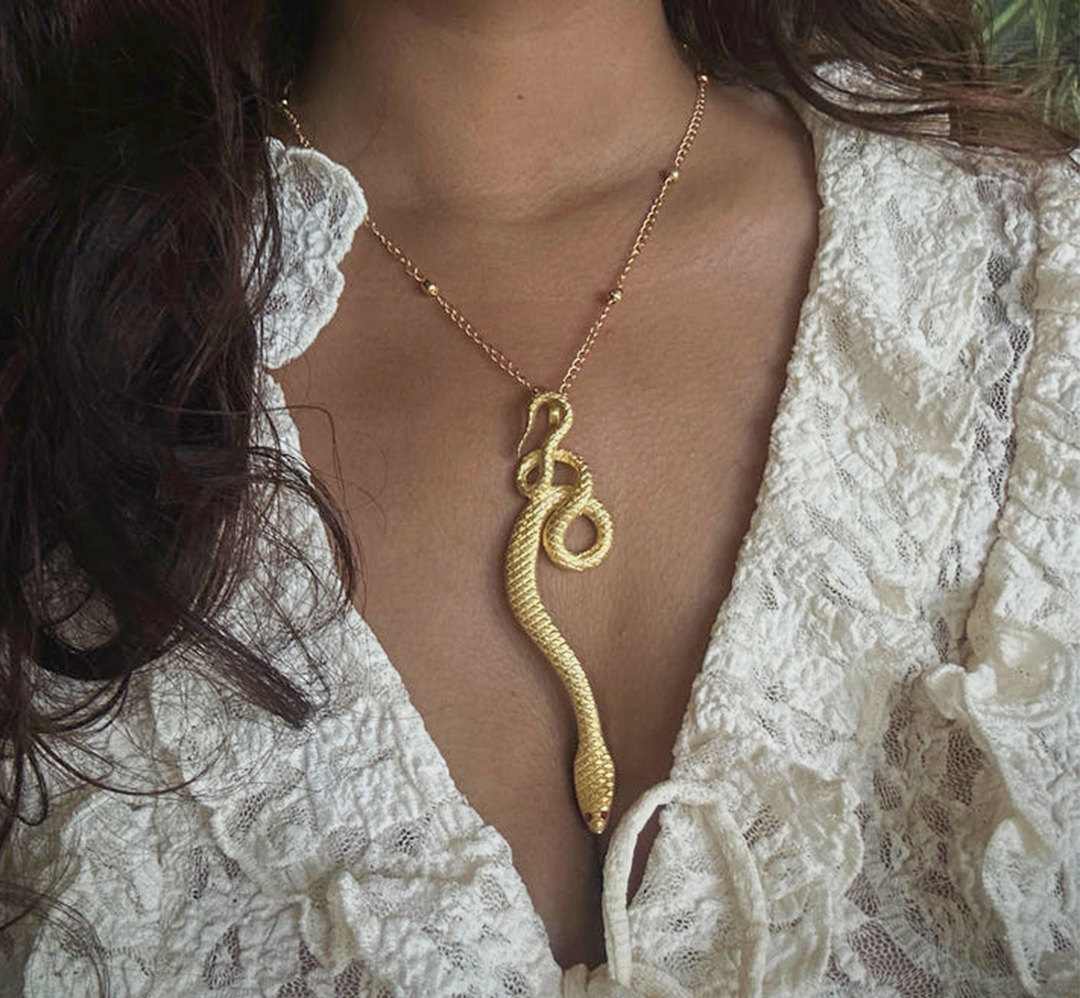
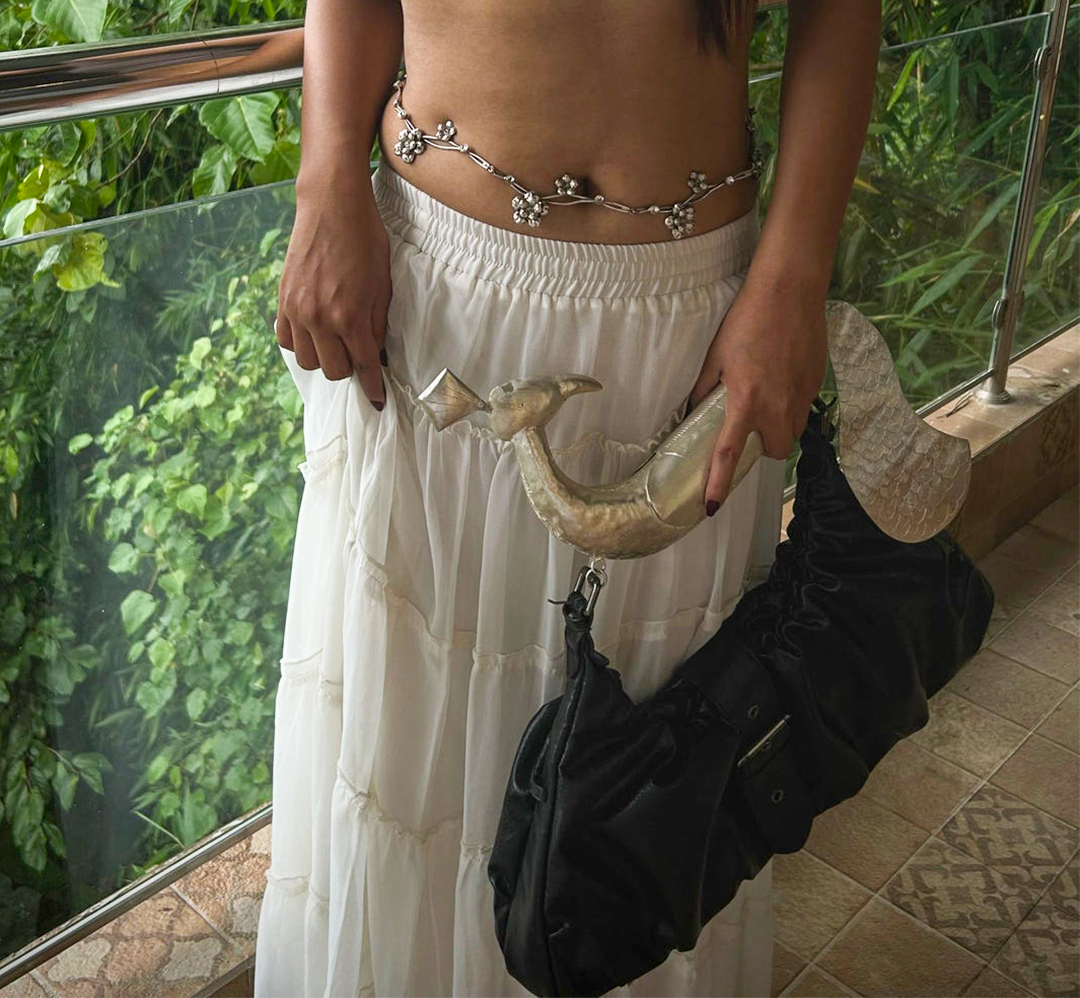
A lot of people assume "statement" means expensive. It doesn't. What makes a piece a statement is scale relative to the body and intent relative to the outfit a serpent-coiled cuff climbing the forearm, a waist chain sitting low over a sari blouse, a choker with enough weight to it that it changes your posture slightly when you wear it. Fine jewellery whispers. Statement jewellery is meant to be heard from across a room. At Richa Baisa, the pieces are built around this exact idea bold, sculptural, often drawing from Indian mythology and folklore, because a quiet piece was never really the point.
The occasion-to-jewellery framework most people skip
This is the part worth pinning down, because most styling advice is vague about what actually changes between occasions. Here's the breakdown we use:
Daytime and casual events one strong piece only. A single sculptural ring or an armlet worn over a plain kurta. Anything more competes with daylight, which is unflattering to layered jewellery.
Dinners and evening parties two pieces, never three. A statement earring with a bold ring, or a choker with a nail ring. The second piece should be smaller in scale than the first.
Weddings as a guest one dominant piece plus quiet support. A waist chain or a serpent-motif neckpiece as the anchor, with earrings kept minimal so the anchor piece doesn't get visually crowded.
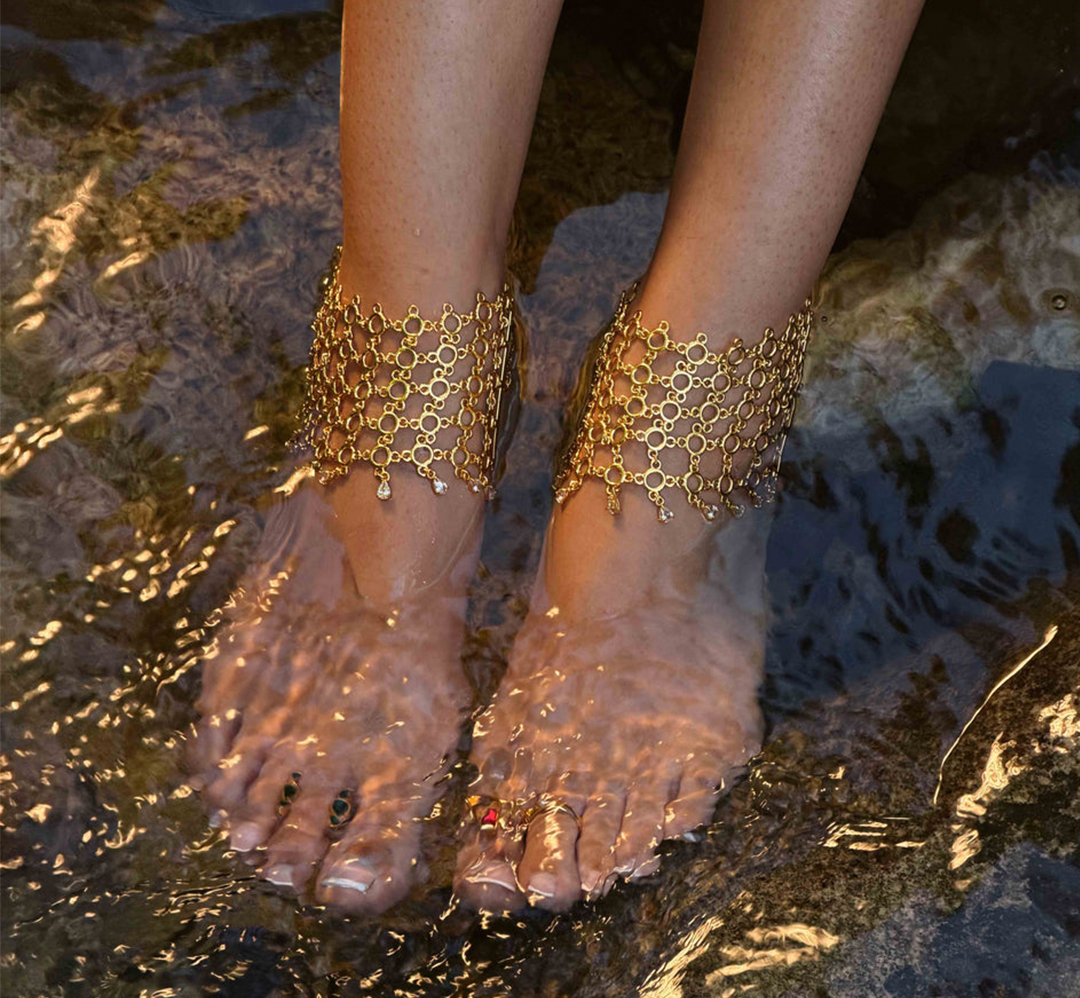
Weddings as the bride or in the wedding party layered intentionally, not accidentally. Toe rings, anklets, an armlet, and a choker can coexist here because bridal dressing is the one context built to hold that much ornamentation.
Festive and puja occasions mythology-forward pieces earn their place here specifically. A nosepin or a piece referencing a deity motif reads as considered rather than costume.
If you can't tell which category your event falls into, count the hours you'll be photographed. More hours means fewer, bolder pieces jewellery that reads well in five different lighting conditions across an evening beats jewellery that only looks good in the first photo.
Layering rules also change with fabric. A heavily embroidered lehenga or a zardozi blouse already carries visual weight, so a single anchor piece usually reads better than a stacked look. A plain silk sari or a solid-color slip dress, on the other hand, has room to carry two or even three smaller pieces without looking crowded, because the outfit isn't competing for attention the way heavy embroidery does.
Body jewellery is where most people underdress, and it shouldn't be
Necklaces and earrings get all the attention in most jewellery guides, and that's a mistake. Waist chains, anklets, armlets, toe rings, nail rings these are the pieces that actually make an outfit look finished rather than assembled. A waist chain worn low over a lehenga or a slip dress does something a necklace can't: it draws the eye down the body instead of just around the neck, which changes the entire silhouette of the outfit. Our "In Her Shoes" and body-jewellery edits exist because we think this category gets treated as optional when it shouldn't be. An armlet on bare arms at a summer wedding, a snake-motif anklet under a flared hem are small additions that do disproportionate work.
Mythology and folklore give statement pieces a reason to exist beyond decoration
This is the part of Indian jewellery design that gets flattened in most conversations about "statement" pieces as if boldness were just about size. It isn't. A coiled serpent cuff referencing Shesha Naag, a piece named for Ananta the endless carries a story into the room with it, not just visual weight. That's a different kind of statement than a piece that's simply big. Folklore-rooted design gives a piece permanence; a trend-driven statement piece looks dated in two years, but a piece drawing from centuries-old iconography doesn't age the same way, because it was never chasing a season to begin with.
We built the Naagmayi collection around exactly these coiled, serpentine forms that reference mythology rather than just following a shape that photographed well last season. Pieces like these hold up because the reference point is older than any trend cycle.
Metal, finish, and skin tone matter more than most buyers plan for
Antique gold finishes tend to sit better against warmer skin undertones, while polished silver and white metal read cleaner against cooler ones this isn't a hard rule, but it's a starting point that saves a lot of trial and error. Oxidized silver, in particular, photographs differently under warm indoor lighting versus daylight, so if you're buying for a specific event, check the piece under lighting close to what the venue will actually have. A choker that looks striking in a bright product photo can go flat under dim string lights. This is a genuinely short but important note: buy for the venue's lighting, not the listing photo's lighting.
Stone-set pieces need the same consideration. American diamonds and kundan work catch and scatter light beautifully under warm bulbs and candlelight, which is exactly why so much bridal and festive jewellery leans on them they're built for evening light, not office fluorescents. If you're shopping a piece for a daytime event, a matte or oxidized finish will usually photograph and read better than a high-shine stone-set piece that needs warm light to do its job properly.
Custom pieces exist for the occasions that deserve one
Not every event calls for something off the shelf. A milestone birthday, an engagement, a piece you want to wear for decades and pass down these deserve a conversation, not a cart checkout. We take custom commissions for exactly this reason, from personalized grillz to bespoke waist chains built around a story specific to the person wearing them. It takes longer than buying ready-made. It's also the only way to end up with something nobody else in the room is wearing.
Custom work also solves a problem ready-made pieces can't: fit. A waist chain sized for one body rarely sits right on another, and an armlet that slides down instead of staying put ruins the entire effect of wearing it. Commissioning a piece to your actual measurements, rather than adjusting a standard size after the fact, is the difference between jewellery that looks intentional and jewellery that looks borrowed.
From our workbench to your next occasion
We built Richa Baisa on one idea: jewellery should be unapologetic, bold, and rooted in something real, not just loud for the sake of it. If you're dressing for an occasion that deserves more than a plain pair of studs, look through the collections at richabaisa.com, or write to us directly if you want something made just for you. Walk into the room like you meant to be noticed.