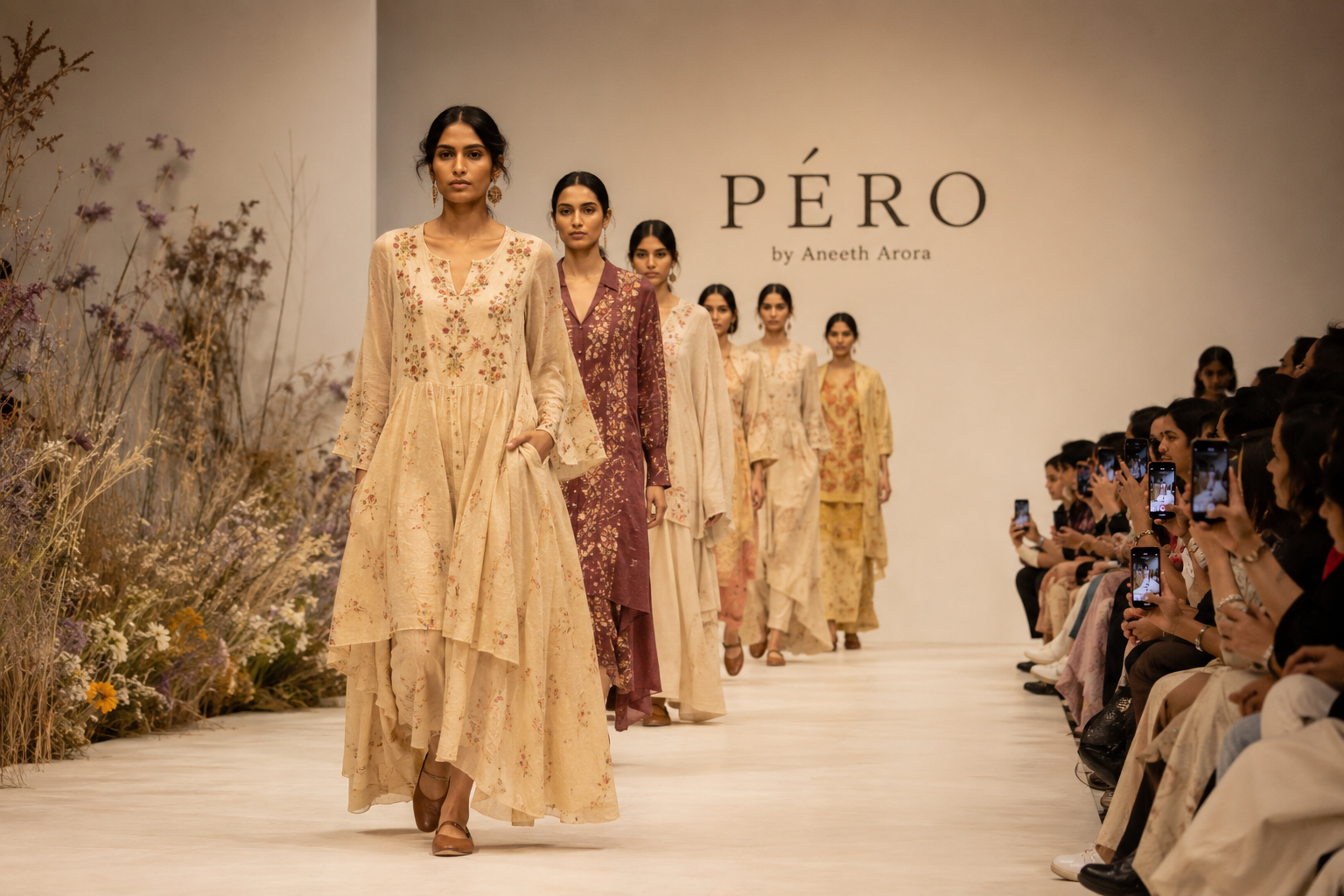
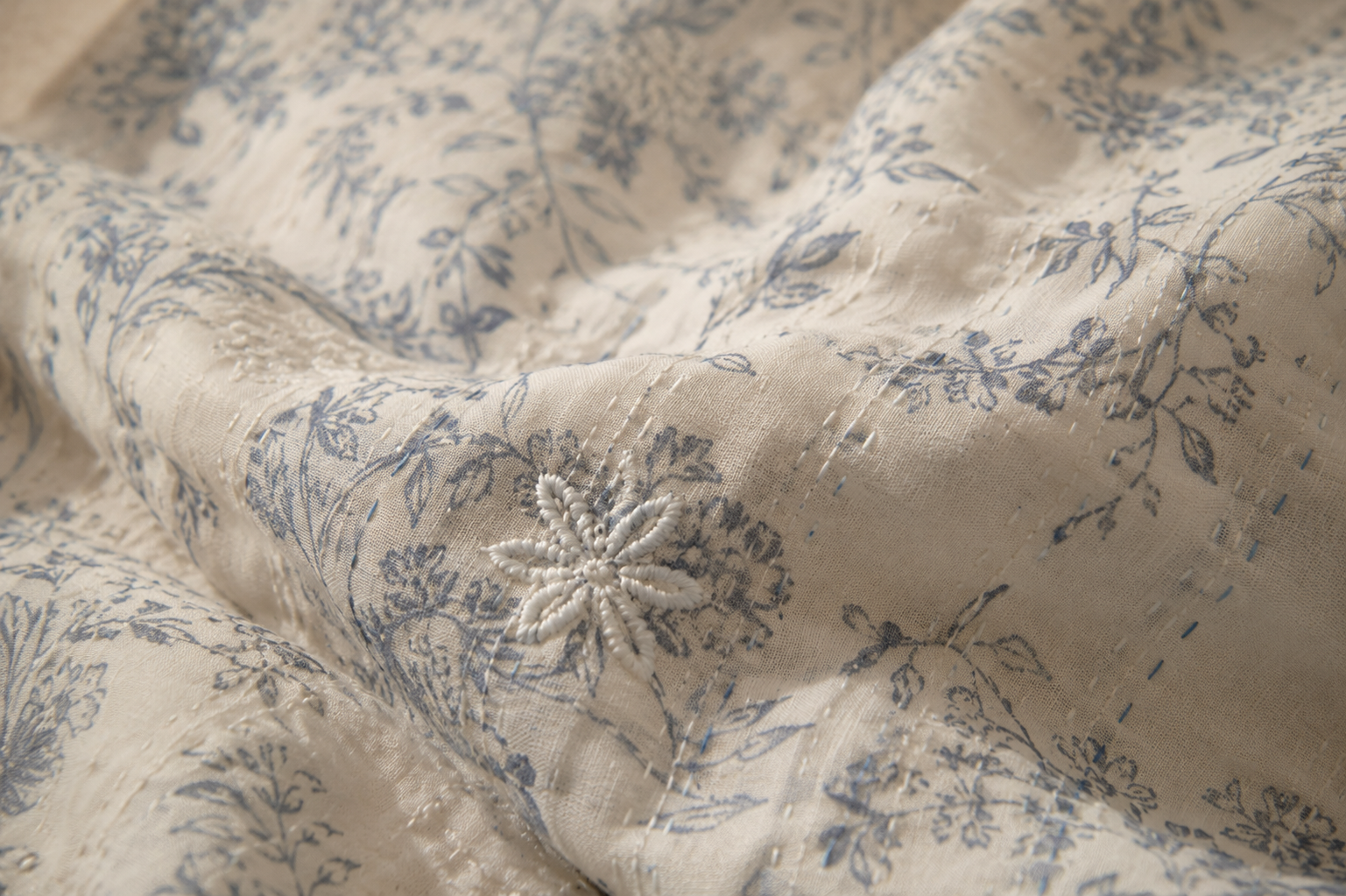
There is a particular quality of beauty that belongs only to the handmade: the slight irregularity of a hand-block print, the texture of fabric that has been touched by many hands, the evidence of time spent. Aneeth Arora's Péro has built a global following by insisting on this quality in a fashion industry that increasingly rewards the seamless and the scalable. Her brand is a philosophical statement as much as a design practice a sustained argument for the value of things made slowly, by human beings, with care.
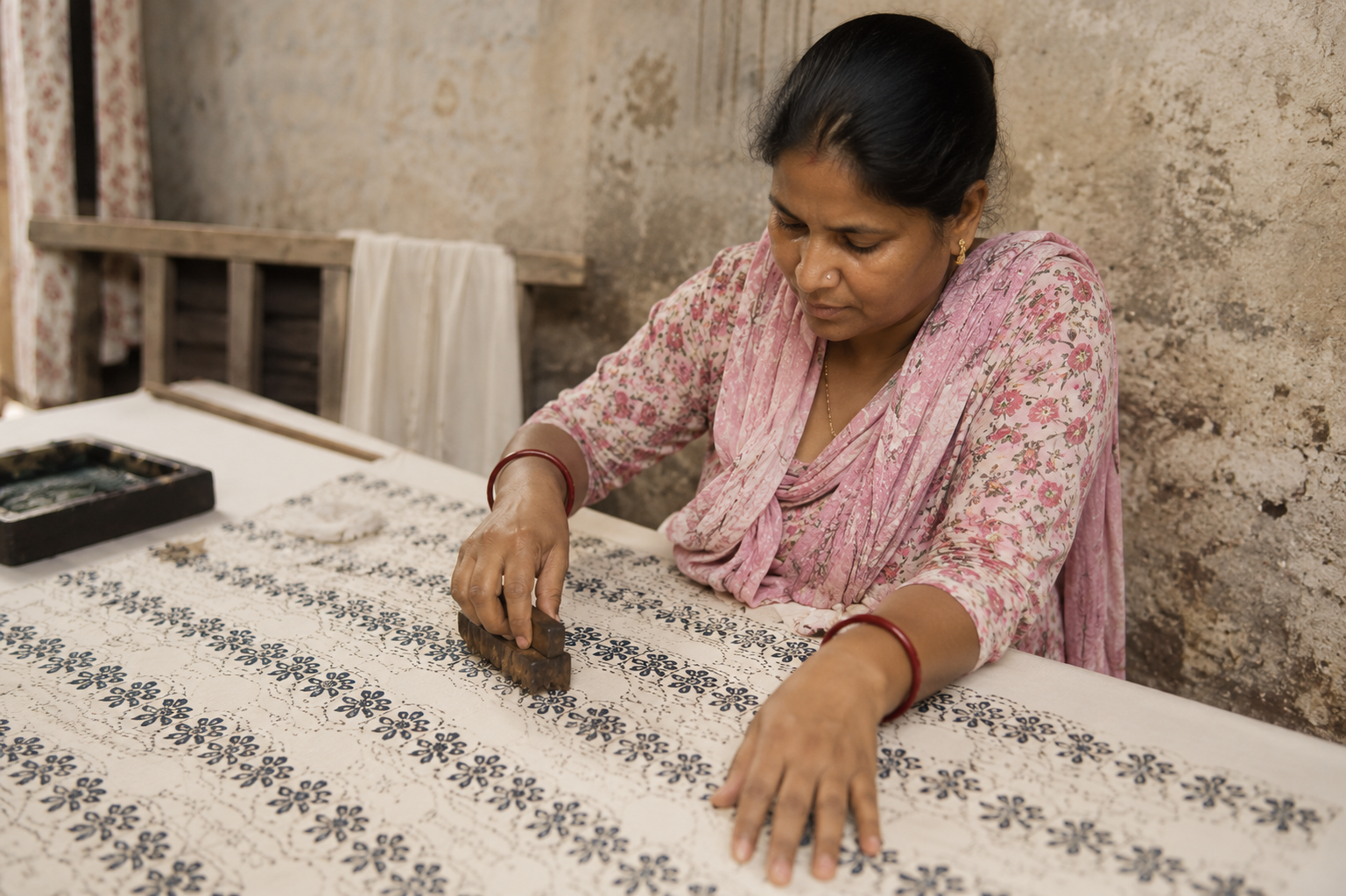
Arora trained at the National Institute of Design in Ahmedabad and absorbed from that experience a profound respect for India's craft traditions and the communities that sustain them. Péro's atelier operates as a collaboration between Arora's design intelligence and the specific skills of artisan communities across India block printers, hand-weavers, embroiderers, karigars who bring centuries of accumulated knowledge to each piece. The brand's aesthetic playful, warm, slightly naive in the best possible sense emerges directly from this collaboration: the designs do not direct the craft so much as create conditions for it to be expressed. Sustainability is not a policy but a consequence of the practice: small batches, natural dyes, human scale.
Péro has shown at Paris Fashion Week, Pitti Uomo, and is stocked in some of the world's most respected concept stores from 10 Corso Como to Merci. Yet the brand retains an intimacy that multinational luxury cannot replicate. Each collection is named with the affectionate playfulness that characterises Arora's sensibility: "Chota Mota," "Dil Dil," "Jugalbandi." The garments printed shifts, embroidered jackets, layered separates photograph as if they have already lived a life. They are the opposite of the aspirational object: they are completely, warmly, humanly present.
In the emerging global conversation about slow fashion and ethical luxury, Péro is not catching up it has been there from the beginning. Aneeth Arora's contribution is not just to Indian fashion but to a global rethinking of what luxury can mean when it is measured not in exclusivity but in the quality of human attention embedded in every piece.