
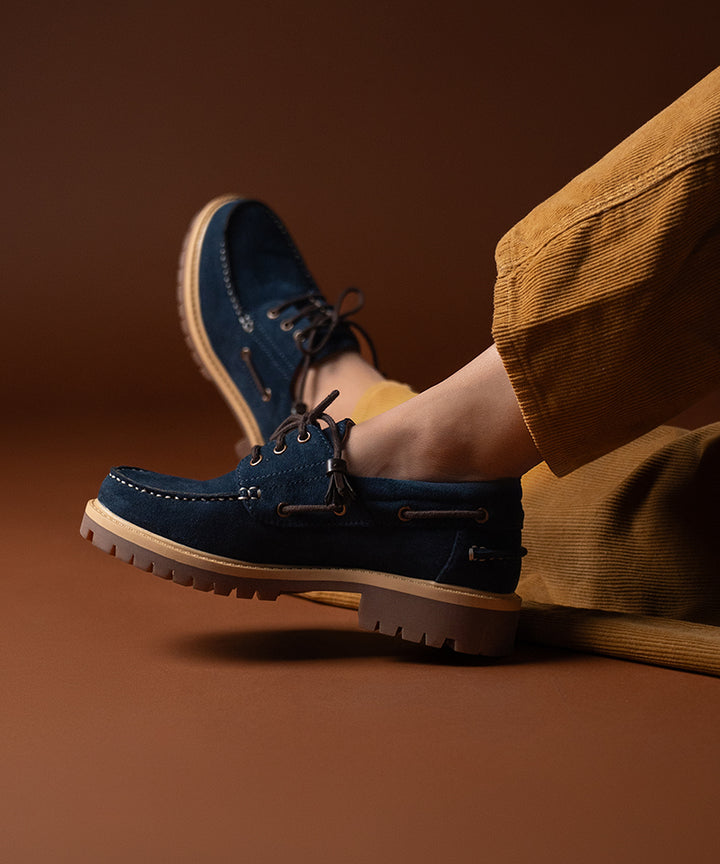
Some sneakers want your attention. Theater doesn't, and that's precisely the point. Flip through the brand's lineup and there's no shouting colourway, no oversized branding fighting for space on the tongue. Just warm suede tones, gum soles, and a stripe placed exactly where you'd expect a stripe to go on a shoe from thirty years ago. It's a quiet kind of confidence: the sneaker equivalent of someone who doesn't need to raise their voice to be heard.
That restraint is doing more work than it looks like at first glance.
The vintage-runner revival, and where Theater fits
Vintage runner sneakers have been creeping back for a few years now, mostly as a reaction to how loud and over-engineered sneaker design got for a stretch. Chunky soles, visible cushioning tech, colourways that looked like they'd been designed by committee: a lot of people got tired of it, quietly, and started digging up old catalogue photos of flatter, simpler runners instead.
Theater sits right in the middle of that shift. It isn't reviving vintage shapes as an ironic callback or a limited "heritage drop" gimmick. The whole lineup is built around that older runner silhouette as a baseline, not a special edition. Low profile, minimal branding, the kind of shoe that would have looked correct in 1994 and still looks correct now. That's a harder thing to pull off than it sounds, because most "vintage-inspired" sneakers end up looking like cosplay of an era rather than a genuine continuation of it.
Why gum soles and suede refuse to date
There's a reason gum soles keep coming back no matter what else is trending. The colour sits in this strange neutral zone: warm enough to pair with almost anything, distinctive enough that you notice it without it screaming. Gum sole sneakers in India also age well in a way that stark white soles simply don't; scuffing and slight discolouration reads as character on gum rather than as a shoe that needs replacing.
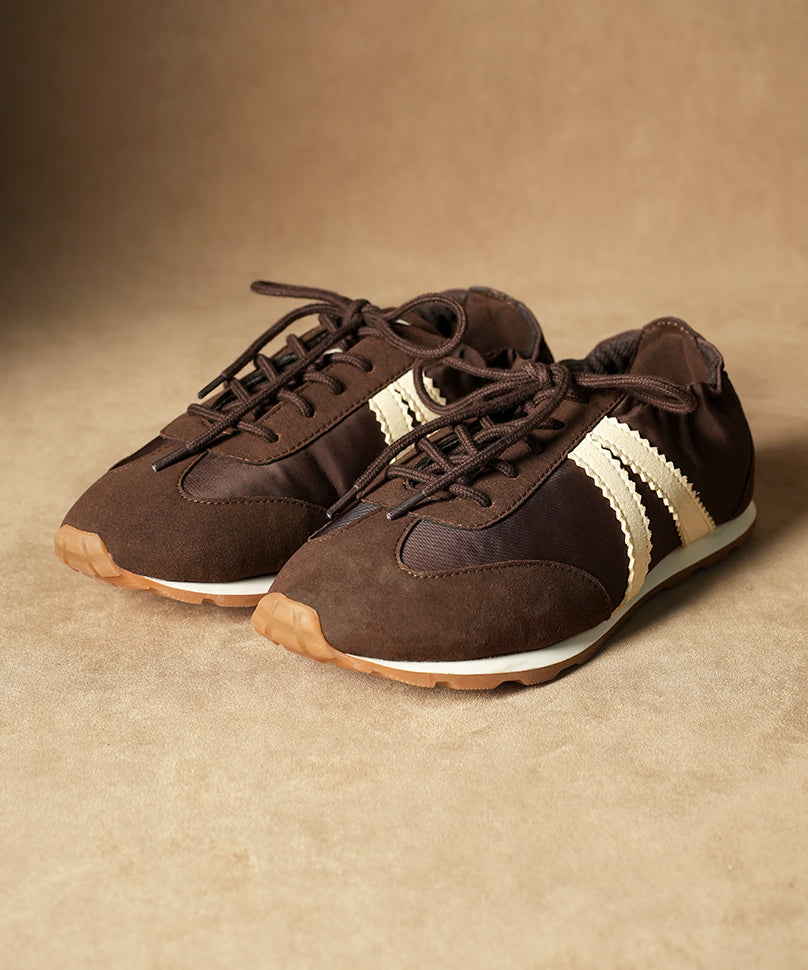
Suede does something similar from the top. A suede sneakers brand in India is making a bet that texture matters as much as colour, and Theater leans hard into that bet with soft, brushed uppers in tones that sit closer to tea and rust than anything bright. It's a look that doesn't chase seasons. You're not going to open a wardrobe in three years and cringe at a pair of these the way you might with something built entirely around a trend that had a shelf life of one summer.
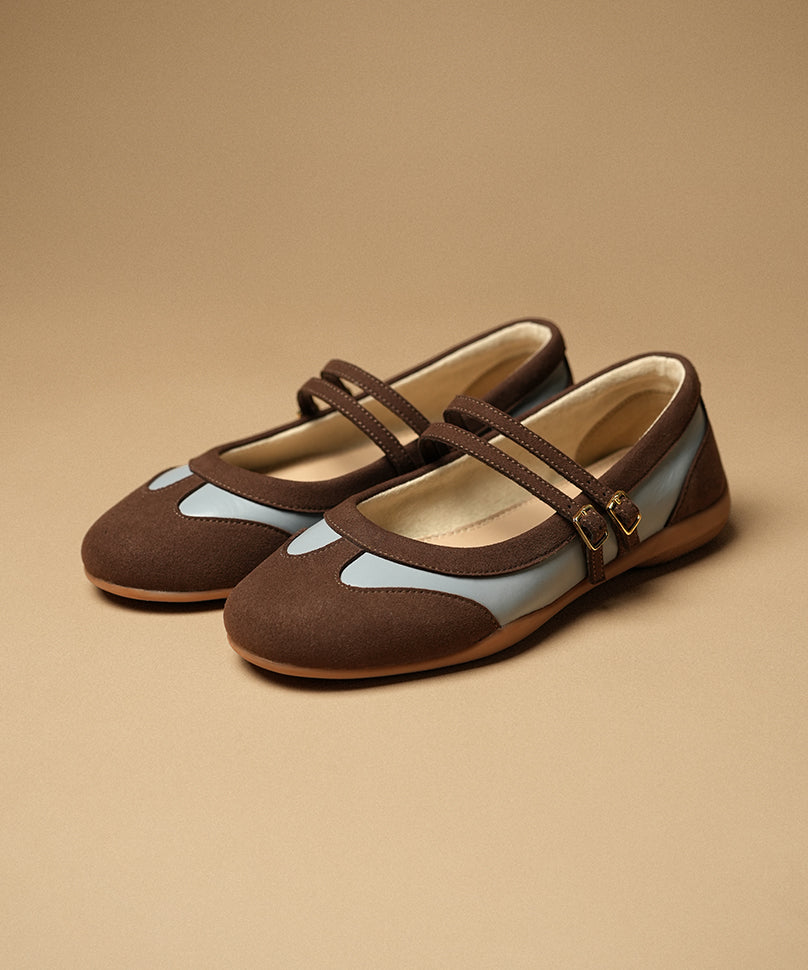
Building a wardrobe around neutral sneakers
There's an underrated argument for owning at least one pair of sneakers that isn't trying to be the main character of an outfit. A neutral, classic-aesthetic sneaker is the thing you reach for when you can't decide what else to wear: the equivalent of a good white shirt, except for your feet. Theater's whole catalogue is basically built around that role.
That doesn't mean boring. It means versatile in a way loud sneakers structurally can't be. A pair in warm suede and gum works with faded denim, works with tailored trousers, works with a plain kurta on a day you didn't feel like overthinking anything. It's the sneaker equivalent of muscle memory: you don't have to think about whether it'll clash, because it's built specifically not to.
The old-school detailing that makes it feel timeless
Look closely and the details are where Theater earns the "classic sneaker aesthetic" label rather than just claiming it. Simple stitched overlays instead of moulded synthetic panels. A stripe with actual weight to it rather than a printed graphic pretending to be one. Eyelets that look like eyelets, not some redesigned lacing system nobody asked for.
None of this is flashy, which is exactly the appeal. The detailing reads like it comes from a time when a sneaker's job was to be a well-made shoe first and a billboard second. There's something almost old-fashioned about a brand choosing understatement on purpose in a market that usually rewards the opposite.
Pairing vintage sneakers with modern tailoring
The pairing that actually surprises people is Theater with tailoring: a structured blazer, cropped trousers, something with a bit of formality to it. Vintage runners have this reputation for being strictly casual, but the low profile and muted tones make them work in a smart-casual context far better than a chunky modern sneaker ever could. A bulky sole fights a tailored trouser. A flat gum-soled runner doesn't.
That's become a small trend of its own: people wearing a genuinely sharp outfit and finishing it with something unexpected on their feet instead of the usual leather loafer. It reads as considered rather than lazy, and Theater's low-key palette makes the whole thing feel intentional instead of like a compromise.
Who actually ends up wearing Theater
It's less a "streetwear kid" brand and more a shoe for people who've already gone through their loud-sneaker phase and come out the other side wanting something calmer. Think design students who'd rather spend on one good pair than three trendy ones, or someone in their thirties who still wants sneakers in rotation but doesn't want to look like they're trying too hard at a job interview disguised as a coffee run.
That's a specific, slightly older crowd for a sneaker brand to chase, and it's probably the smarter bet. The streetwear-hype demographic churns fast and moves on to whatever's next. The "give me something classic that just works" demographic is smaller but far more loyal, and far less likely to abandon a brand the moment a flashier one shows up with a bigger marketing budget.
The quiet argument for buying less, better
There's a broader point buried in all of this. Theater isn't chasing hype cycles or dropping six colourways a month to keep the algorithm fed. It's making one argument, over and over, in slightly different tones of suede: buy a sneaker that will still make sense in five years, not just this season.
In a category that's gotten obsessed with newness for its own sake, that's a genuinely quiet act of rebellion. You won't find Theater trending on anyone's "hype list" next month. You'll just find it still on people's feet, comfortably, long after those lists have moved on to something else.