
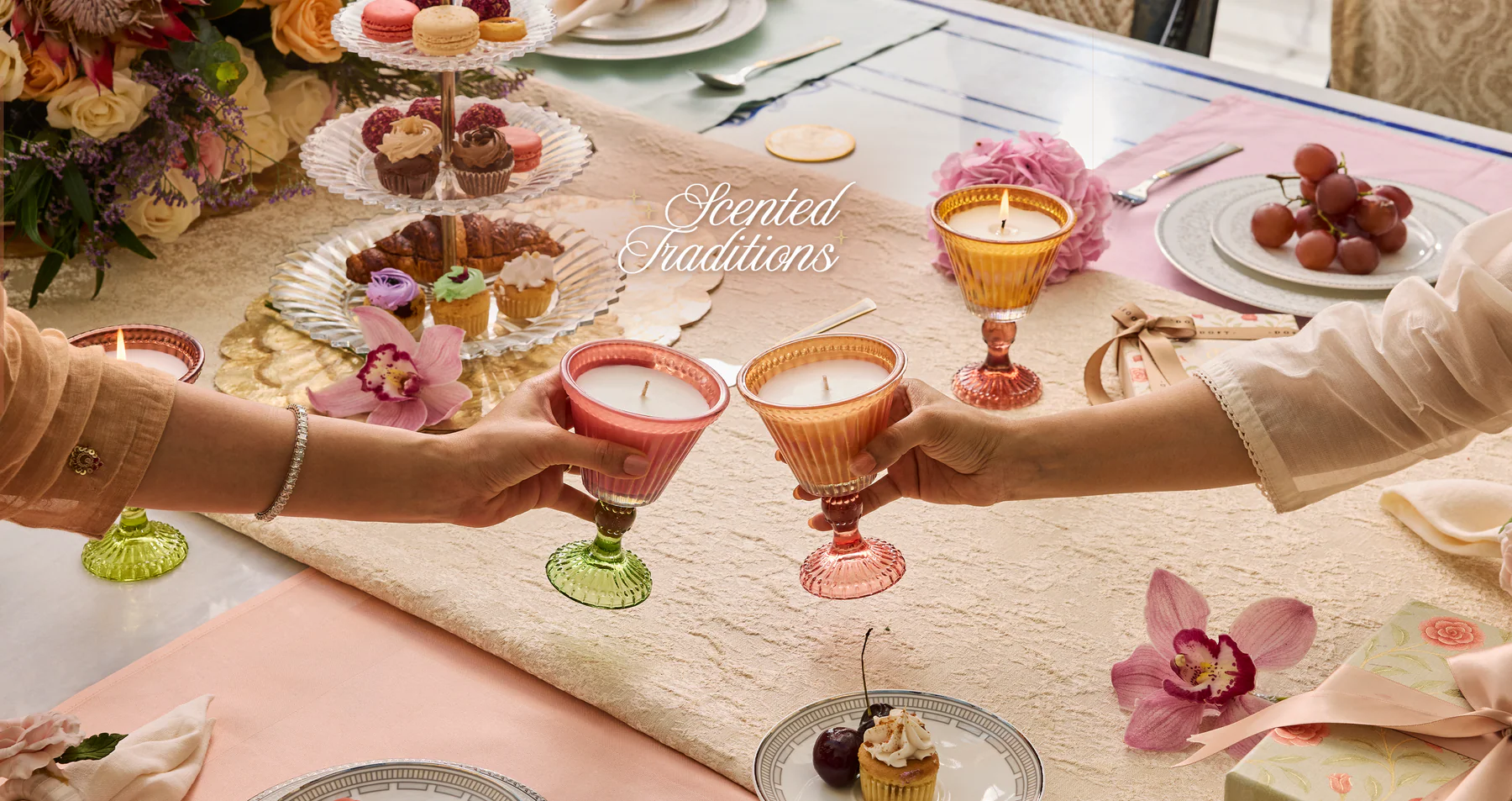
The name comes from the German word Düft, meaning fragrance. The choice of a German word for an Indian luxury candle brand is not arbitrary: it signals an intention to place the brand outside the expected registers of Indian aromatherapy outside the incense, the attar, the meditation-room vocabulary that dominates Indian scent culture and into a conversation about fragrance as design, as environment, as the part of a space that the eye cannot account for.
Doft candles are built on the premise that scent is architectural. A room smells like something before you see it clearly. The fragrance a space carries determines how it is experienced whether it feels intimate or open, whether it slows you down or moves you through, whether it holds memory or creates new ones. Doft treats this invisible dimension of interior design with the same seriousness that a furniture maker brings to material or a textile designer brings to weave.
The fragrance development begins with ingredients drawn from both Indian and global botanical traditions. The brand uses Indian jasmine alongside French neroli. Indian vetiver which carries a depth and earthiness that the Haitian equivalent does not is used alongside cedarwood from the American Northwest. These are not ingredients chosen for their provenance as a marketing story. They are chosen because the specific geography that produces each one changes the scent profile in ways that are analytically distinguishable and experientially real.

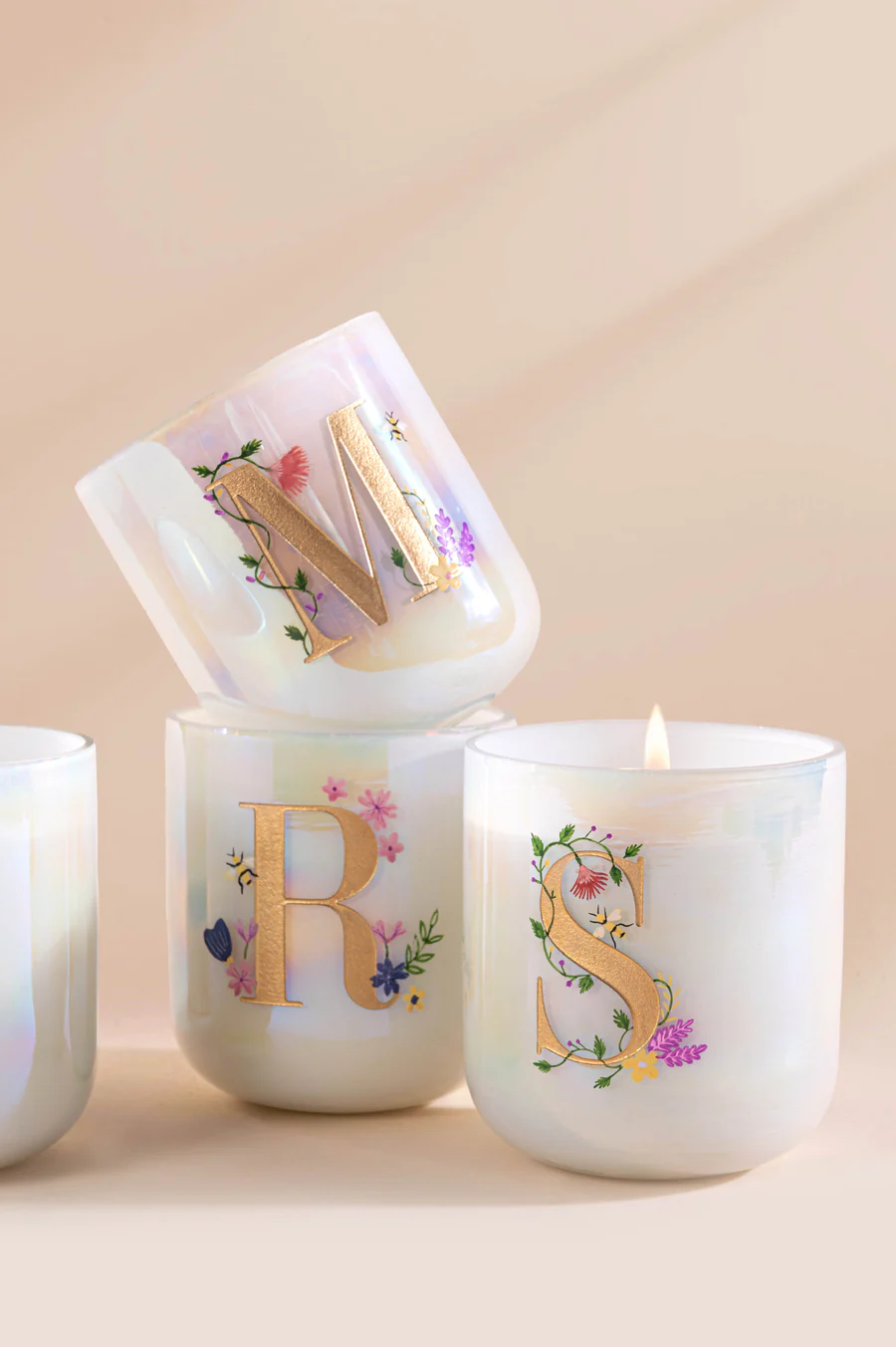
Scent is the only sense that communicates directly with memory without passing through the rational brain. Doft understands this completely.
The vessel is the second argument Doft makes. The candles are poured into containers designed to continue their work after the wax has finished thick-walled glass, ceramic forms, glazed objects that sit on a desk or mantelpiece with the self-possession of decorative art. Luxury candles that live in disposable tins die twice: once when the fragrance is exhausted, and again when the container fails to earn its shelf space. Doft's vessels are retained because they deserve to be. They are objects in their own right.
The burn itself is slow, which is the only way a candle should burn if it is going to do what scent needs to do which is saturate a space gradually rather than flood it. A candle that burns hot and fast fills a room with fragrance too quickly: the nose habituates, the scent becomes invisible, the experience collapses into ambient noise. A Doft candle burns at the temperature that allows the fragrance to move through a space over hours, maintaining the olfactory attention that makes scent become memory.
The product range covers the primary registers of interior fragrance: woody grounding scents for study and working spaces; floral-green scents for living areas designed for social time; citrus-herbal compositions for morning rooms that ask something of you before the day begins. Each fragrance was developed with a spatial intention the intelligence behind their creation is legible in the burn.
What Doft is ultimately selling is not wax and fragrance. It is time the particular quality of time that a beautifully scented space creates, the way a room that smells extraordinary slows the people in it, makes them more present, extends the duration of an evening. A Doft candle, burning on a table as dinner begins, does not ask to be noticed. It changes the room without announcing itself. This is the highest function of design.